
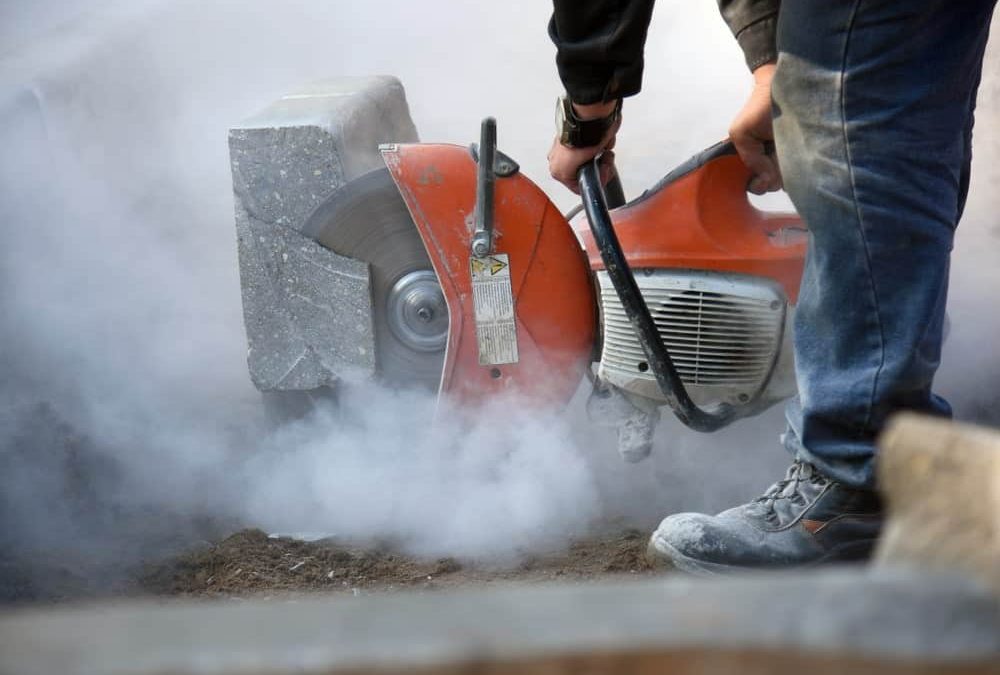
Concrete Cutting and Drilling: The Pivotal Role of Safety. Concrete cutting and drilling are essential operations in demolition and the construction industry, providing the necessary means for shaping and altering concrete structures to meet specific requirements. However, the inherent risks associated with these tasks demand heightened safety consciousness. This article delves into the crucial role of safety in concrete cutting and drilling, exploring the potential hazards, safety measures, OSHA regulations and guidelines, and what to look for in a professional contractor.
The Importance of Safety
1). Preventing accidents and injuries
A primary reason for prioritizing safety in concrete cutting and drilling is to prevent accidents and injuries. The work environment presents numerous hazards, such as flying debris, excessive noise, and exposure to hazardous materials like silica dust. By adhering to safety protocols and utilizing the proper protective equipment, construction workers can mitigate these risks and maintain a safe working environment.
2). Ensuring structural integrity
Another critical aspect of safety in concrete cutting and drilling lies in maintaining the structural integrity of the construction site. The improper use of equipment or inadequate safety measures can result in weakened or damaged concrete structures, posing a severe threat to the stability and longevity of the project.
3). Reducing financial and legal risks
Accidents and injuries on the construction site can lead to significant financial and legal consequences for contractors and project owners. Companies can reduce liability and protect their financial interests by ensuring strict safety measures and training.
4). Enhancing productivity
A safe working environment fosters productivity by allowing workers to focus on tasks without worrying about potential hazards. Moreover, well-executed safety measures can help minimize downtime due to accidents or equipment malfunction.
Potential Hazards
1). Flying debris and particles
During concrete cutting and drilling operations, the disintegration of concrete generates debris and particles that may pose risks to workers’ eyes and skin. These particles can cause abrasions, lacerations, and even more severe injuries if not adequately addressed.
2). Noise pollution
Concrete cutting and drilling equipment often generate high noise levels, leading to hearing damage if not adequately controlled. Prolonged exposure to excessive noise can result in permanent hearing loss, tinnitus, and other hearing-related issues.
3). Silica dust exposure
Silica dust is a hazardous byproduct of concrete cutting and drilling that poses significant health risks to workers. Inhaling silica dust can lead to the development of silicosis, a chronic and potentially fatal lung disease. Furthermore, silica exposure has been linked to other respiratory diseases like lung cancer and tuberculosis.
4). Equipment malfunction and misuse
Misusing concrete cutting and drilling equipment can lead to dangerous situations, including equipment malfunction, structural damage, and injury. Workers must receive adequate training on correctly using and maintaining all tools and machinery.
5). Slips, trips, and falls
The nature of concrete cutting and drilling operations often generates wet, slippery surfaces, posing a risk for slips, trips, and falls. Workers must exercise caution and use appropriate footwear to minimize these risks.
Safety Measures for Concrete Cutting and Drilling
1). Personal protective equipment (PPE)
Workers must wear appropriate PPE when engaged in concrete cutting and drilling activities. This includes safety goggles, gloves, hearing protection, high-visibility clothing, and sturdy footwear. Respiratory protection is also essential to minimize inhaling silica dust and other airborne contaminants.
2). Equipment safety
Concrete cutting and drilling equipment must be regularly inspected and maintained to ensure it operates safely and efficiently. Moreover, workers should receive training on properly using each tool, including safety features and emergency procedures.
3). Dust control
Controlling the release of dust during concrete cutting and drilling is crucial in minimizing the risk of silica exposure. Wet-cutting techniques, vacuum systems, and dust collection attachments can help suppress dust emissions and maintain a cleaner working environment.
4). Noise control
To mitigate the risks associated with noise pollution, contractors should use noise-reducing equipment and techniques whenever possible. Additionally, workers should be equipped with hearing protection and receive regular breaks to minimize continuous exposure to high noise levels.
5). Safe work practices
Contractors must establish and enforce safe practices, including proper lifting techniques, equipment handling, and housekeeping measures. This ensures a safer and more organized working environment, reducing the risk of accidents and injuries.
6). Worker training and education
Proper training and education are essential to a comprehensive safety program. Workers must receive training on the hazards associated with concrete cutting and drilling, the appropriate use of PPE, and the correct equipment operation and maintenance.
7). Emergency preparedness
A well-prepared response plan is critical in an accident or emergency. Contractors should establish emergency procedures, provide first aid supplies and equipment, and train workers to react appropriately in emergencies.
What to Look for in a Concrete Cutting and Drilling Contractor
1). Safety record and commitment: When selecting a concrete cutting and drilling contractor, their safety record should be a top priority. A contractor with a solid commitment to safety will have a history of minimal accidents and injuries, showcasing their dedication to protecting workers and maintaining a safe working environment. They should have a comprehensive safety program encompassing worker training, equipment maintenance, PPE provision, and emergency preparedness.
2). Experience and expertise: A contractor with extensive experience and expertise in concrete cutting and drilling will be better equipped to handle and execute complex projects safely. Look for a contractor with a proven track record of completing projects similar to yours.
4). Licensing and certification: Contractors should hold the necessary licenses and certifications to operate within their jurisdiction. This demonstrates their adherence to industry standards and regulations, ensuring the quality and safety of their work.
5). Training and ongoing education: A reputable contractor will invest in their workers’ training, ensuring they are well-versed in the latest safety measures, techniques, and equipment. This commitment to professional development contributes to a safer and more efficient workforce.
6). Insurance coverage – Ensure the contractor carries adequate insurance coverage to protect both parties in case of accidents or damages, including workers’ compensation, general liability, and property damage insurance.
7). Proper equipment and maintenance – Contractors should use the appropriate equipment for each project and maintain it regularly to ensure safe and efficient operation. Ensure the contractor has a preventive maintenance program for their tools and machinery.
8). Communication and responsiveness – Effective communication and responsiveness are essential for a smooth working relationship. Choose a contractor who is easy to reach, addresses your concerns promptly, and provides regular updates throughout the project. Open communication helps to prevent misunderstandings and ensures that your project is completed according to your expectations.
9). Customer reviews and testimonials – Research customer reviews and testimonials to gain insight into the contractor’s reputation, work quality, and professionalism. Positive feedback from previous clients indicates that the contractor is reliable, trustworthy, and delivers satisfactory results.
OSHA Regulations and Guidelines for Concrete Cutting and Drilling Worker Safety
The Occupational Safety and Health Administration (OSHA) is a U.S. federal agency responsible for establishing and enforcing safety standards in the workplace. OSHA has regulations and guidelines for concrete cutting and drilling operations to ensure worker safety. Some of these include:
- Respirable crystalline silica standard (29 CFR 1926.1153): OSHA has established a permissible exposure limit (PEL) for respirable crystalline silica, commonly produced during concrete cutting and drilling. Employers must implement engineering controls, work practices, and respiratory protection to reduce worker exposure to silica dust. The standard also requires employers to develop a written exposure control plan, offer medical surveillance, and train workers on the hazards of silica dust.
- Hazard communication standard (29 CFR 1910.1200): OSHA requires employers to inform workers about hazardous chemicals, such as silica dust, that they may encounter in the workplace. Employers must provide safety data sheets (SDSs) and worker training to ensure proper handling and protection against hazardous substances.
- Personal protective equipment (PPE) standards (29 CFR 1910 Subpart I and 29 CFR 1926 Subpart E): OSHA mandates appropriate PPE to protect workers from concrete cutting and drilling hazards. This includes eye and face protection (29 CFR 1910.133 and 29 CFR 1926.102), respiratory protection (29 CFR 1910.134 and 29 CFR 1926.103), head protection (29 CFR 1910.135 and 29 CFR 1926.100), and foot protection (29 CFR 1910.136 and 29 CFR 1926.96).
- Noise exposure (29 CFR 1910.95 and 29 CFR 1926.52): OSHA has established permissible noise exposure limits to protect workers from hearing damage. Employers must implement engineering and administrative controls and provide hearing protection when noise levels exceed these limits.
- Hand and power tool safety (29 CFR 1926 Subpart I): OSHA has regulations for the safe use and maintenance of hand and power tools, including those used for concrete cutting and drilling. Employers must ensure tools are in good condition, used correctly, and that workers are trained on their proper use and maintenance.
- Fall protection (29 CFR 1926 Subpart M): When concrete cutting and drilling operations are performed at elevated heights, OSHA requires employers to implement fall protection measures, such as guardrails, safety nets, or personal fall arrest systems.
- Housekeeping (29 CFR 1926.25): OSHA requires employers to maintain a clean and organized worksite, which can help prevent accidents and injuries in concrete cutting and drilling operations.
- Electrical safety (29 CFR 1926 Subpart K): OSHA has regulations related to electrical safety, which may apply to concrete cutting and drilling equipment. Employers must ensure that electrical systems and equipment are installed, maintained, and used safely.
These OSHA regulations and guidelines aim to provide a safe working environment for workers involved in concrete cutting and drilling operations. Contractors must adhere to these standards to protect their employees from potential hazards and maintain compliance with federal safety requirements.
Conclusion
Safety plays a pivotal role in concrete cutting and drilling operations, as it helps prevent accidents and injuries, ensures structural integrity, reduces financial and legal risks, and enhances productivity. By understanding the potential hazards and implementing appropriate safety measures, contractors can create a safer working environment for their employees. When selecting a concrete cutting and drilling contractor, prioritize their safety record, licensing, experience, training, equipment, safety program, and insurance coverage to ensure a safe and successful project.
By following the safety tips outlined in this guide and carefully selecting a qualified contractor, you can ensure the successful completion of your project while prioritizing the safety and well-being of all involved.
Contact Local Demo: Commercial and Residential Projects
When you need a concrete cutting and drilling contractor for your next project, you can depend on Local Demo. We specialize in cutting, sawing, drilling, and removing concrete for homeowners and site contractors. From residential bathrooms to commercial buildings, we can do it all.
With our excellent concrete cutting and coring services and friendly staff, we can provide you with the dependable services you need for your next project!
We offer the following services:
- Concrete Cutting and Sawing
- Core Drilling and Cutting
- Residential Services
- Commercial Services
- Residential and Commercial Partial Demolition
Whether you need concrete sawed or slabs cored, our concrete experts have the skills and tools to complete the job. Local Demo is a Veteran-owned, licensed, and insured contractor serving Broadwater County, Gallatin County, Jefferson County, Madison County, Meagher County, and Park County, Montana.
Our professional team works precisely, ensuring the rest of your property remains intact, with safety always our top priority. Contact Local Demo today.
Get In Touch
Our Location
125 Central Avenue, Unit J Bozeman, MT 59718
Call Us
Phone: (406) 595-0227
E-mail Us
jscauzzo@jobsitesolutionsmt.com
Our Service Area
We Service the Following Counties