

Removing What Needs to Go Without Damaging What Stays
Renovating an office, retail space, or commercial building? Demolition is the first step, but the real challenge is removing what needs to go without damaging what needs to stay. Glass storefronts, millwork, terrazzo floors, elevator lobbies, and other high-value finishes are costly to replace and can derail a project if damaged. That’s why Local Demo leads with the philosophy: Protect first—demo second.
We use professional-grade surface protection, rigid containment walls, and floor-to-ceiling dust barriers to safeguard valuable finishes and keep debris where it belongs. We identify all sensitive areas during a pre-demolition walkthrough, document existing conditions, install protective measures, and maintain them daily. Our crews minimize dust, prevent impact damage, and keep your schedule moving with no surprises and no rework.
Investing a few hundred dollars in RAM boards, crash guards, and barrier systems can prevent tens of thousands of dollars in damage claims and change orders.
High-Value Finishes That Require Special Attention
Certain surfaces and architectural elements are often tied to the building’s design, function, or budget, making them just as important as the work being removed. Any item or finish the owner intends to reuse is considered irreplaceable from a project perspective.
These areas are identified for protection to prevent costly damage and delays, making the demo phase cleaner, faster, and far less risky.
- Glazing systems (storefront glass, interior glass walls, transoms)
- High-end flooring (stone, terrazzo, tile, hardwood)
- Millwork (built-ins, trim, reception desks, casework)
- Elevator lobbies and stainless steel surrounds
- Architectural lighting and specialty fixtures
With these elements protected from the start, the project can continue smoothly into the rebuild phase.
Protection Materials and Best Practices
1. Floor Protection
Floors are one of the most vulnerable surfaces during selective demolition because they endure constant traffic from carts, debris removal, and the movement of equipment. Without proper protection, even minor contact can result in scratches, impact marks, or irreversible damage.
Local Demo utilizes durable temporary protection designed to withstand heavy loads and frequent use, ensuring finished floors remain intact throughout the demolition phase.
- Ram Board or floor protection board for general traffic paths
- Poly-back runners for wet areas or moisture exposure
- Plywood or scaffold plank pathways where dollies or lifts operate
- Temporary ramps for thresholds or transitions
By building a defined equipment pathway and ensuring floors remain shielded at all times, we prevent avoidable damage and keep the project moving efficiently. Protecting the floor from the start protects the budget and avoids costly replacement headaches later.
2. Wall and Millwork Protection
Wall surfaces and millwork take the most hits during demolition because impacts occur at cart and equipment height. Reception desks, casework, trim, and painted walls are easily damaged if they’re not properly shielded.
Our team installs engineered protection systems that create a durable barrier, preventing accidental contact.
- Crash guards/bump guards
- Foam or rigid corner guards
- Door jamb protectors
- Plywood over millwork or casework
With the correct protection in place, walls and millwork remain untouched while demolition progresses around them. This proactive approach preserves architectural detail, demonstrates respect for the space, and keeps the renovation focused on progress rather than repairs.
3. Vertical Surface and Glazing Protection
Glass and other vertical surfaces are especially at risk during interior demolition. A single impact can crack or shatter a panel, halt work, and trigger expensive replacement costs. Our crews use specialized materials and visibility safeguards to protect glazing and prevent equipment from getting too close.
- Polycarbonate sheets or plywood as impact barriers
- Tempered protection film to prevent scratching
- Stanchions or warning rails to block equipment intrusion
By reinforcing glass and vertical finishes with rigid barriers and clear visual cues, Local Demo eliminates accidental impact and maintains a clean, damage-free work zone. Protecting these fragile elements keeps the project on schedule and avoids costly setbacks.
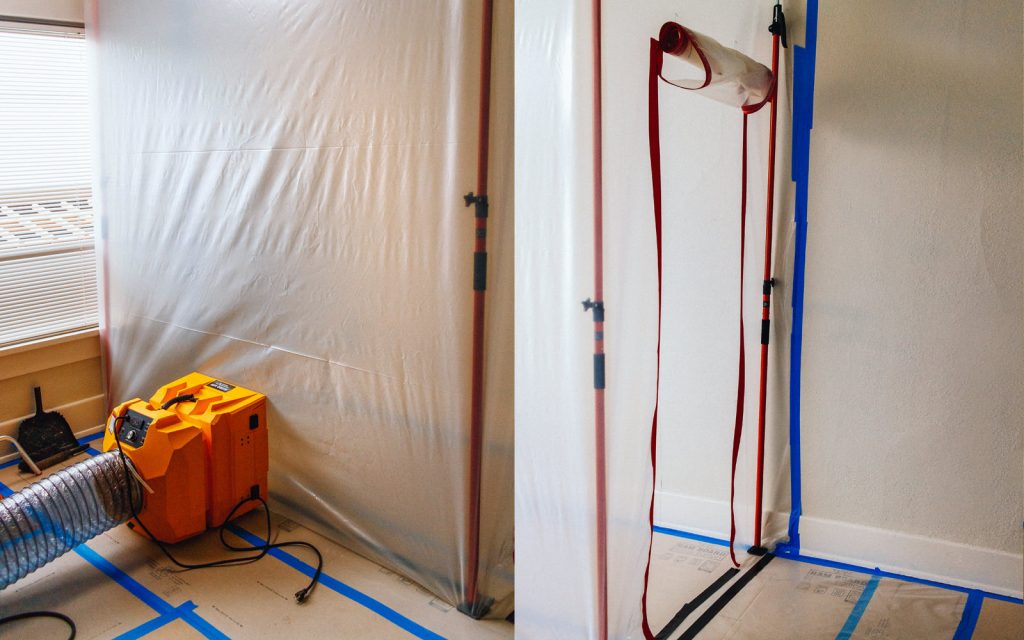
Containment and Isolation
Demolition isn’t just about managing what gets removed and what remains; it’s also about controlling where the dust and debris go. Containment is essential, especially in occupied or sensitive environments where air quality and cleanliness matter.
Our team installs floor-to-ceiling containment/isolation systems to create a sealed work zone, preventing demolition dust from contaminating finished spaces or active work areas.
- Poly sheeting barriers (economical and fast)
- Rigid wall panel systems (best for occupied spaces or long schedules)
- Zipper door access points for controlled entry/exit
We pair these barriers with:
- Negative air machines
- HEPA filtration
- Pressure differential monitoring
By combining physical barriers with negative air pressure and HEPA filtration, we maintain a controlled environment that protects finishes, keeps indoor air quality, and prevents disruptions to nearby operations.
Although containment may take time to set up, it saves exponentially more time by reducing cleanup, avoiding contamination, and allowing other trades to continue without interruption.
Sequencing and Logistics
Even the best surface protection materials are only effective if they remain in place throughout the project. Proper sequencing and job site logistics play a crucial role in keeping protected areas safe and minimizing unnecessary exposure to equipment and debris.
At Local Demo, we plan the order of operations before demolition begins, ensuring high-value finishes and elements are protected for the shortest possible time.
- Stage demo so the most vulnerable finishes are exposed for the shortest time.
- Map the travel paths for equipment before beginning the demo.
- Assign a spotter when moving lifts or heavy carts through tight areas.
- Inspect all protections daily; repair anything that has shifted, torn, or loosened.
Protection isn’t a set-it-and-forget-it step. It must be monitored and adjusted throughout the project to ensure optimal performance. By managing traffic flow, using spotters, and inspecting protection daily, we ensure safeguards remain intact from start to finish.
This oversight prevents damage, protects the schedule, and maintains a clean, professional worksite.
Need a demolition team that protects what matters? Contact Local Demo today!
FAQ About Surface Protection During Interior Demolition
Q1. Why is surface protection necessary during selective demolition?
Selective demolition often occurs in occupied or partially completed environments where specific finishes must be preserved. Protecting existing floors, walls, millwork, and glazing prevents accidental damage that can lead to costly repair or replacement and avoids schedule delays.
Q2. When should surface protection planning begin?
Surface protection planning is a proactive approach that should be part of the pre-construction walkthrough, documented in the demo scope, and coordinated with the general contractor to ensure a seamless project execution. By planning, you can avoid rushed decisions and ensure all surfaces are adequately protected.
Q3. Who is responsible for maintaining surface protection throughout the project?
Responsibility should be assigned in writing before work starts. While the demo contractor typically installs the protection, daily inspection and maintenance responsibility must be clearly defined in the scope of work to avoid disputes.
Q4. What materials are best for protecting floors?
The material selected depends on traffic volume, equipment type, and finish value. The most common and effective options include
- Ram board or other floor protection boards
- Poly-backed runners for moisture management
- Plywood or scaffold plank for heavy equipment paths
- Temporary ramps over thresholds
Q5. How do you protect glass walls and storefronts during demo?
Glazing should be protected with:
- Polycarbonate or rigid board impact shields
- Protective film to prevent scratching
- High-visibility tape so workers and equipment operators can clearly see the glass.
Q6. What’s the difference between surface protection and dust containment?
Surface protection prevents physical damage, while dust containment prevents airborne dust and debris from settling on finishes or migrating through the building. Both are required to protect occupied spaces and avoid IAQ (Indoor Air Quality) issues.
Q7. How often should protection be inspected after it is installed?
Once protection measures are installed, they should be inspected daily to ensure their effectiveness. Vibration from demo equipment, carts, and lifts can shift protection materials, so it’s crucial to have a professional demo crew perform daily checks, document any issues with photos, and repair or adjust any items that are out of place. This regular maintenance ensures your surfaces remain undamaged and your project stays on track.
Q8. Does investing in surface protection really pay off?
Absolutely. Materials for protection typically cost less than 1% of total project cost, while replacement of damaged finishes can cost thousands and cause delays. Surface protection is one of the highest ROI decisions in selective demolition.
Trust Local Demo: Clean, Controlled, and Damage-Free Demolition
Selective interior demolition requires more than tearing things out. It demands precision, planning, and protection. At Local Demo, we safeguard the finishes your project depends on, such as glass, flooring, millwork, and more, using professional-grade surface protection and floor-to-ceiling containment systems.
Our crews minimize dust, prevent unexpected damage, and keep your renovation moving on schedule.
When the goal is a clean demolition with zero surprises, trust the team that prioritizes protection. Contact Local Demo to schedule your pre-demolition site assessment and experience demolition without the damage.
Get In Touch
Our Location
125 Central Avenue, Unit J Bozeman, MT 59718
Call Us
Phone: (406) 595-0227
E-mail Us
jscauzzo@jobsitesolutionsmt.com
Our Service Area
We Service the Following Counties