

A Bathroom Remodel is only as Successful as the Work that Comes Before It.
A successful bathroom remodel doesn’t begin with tile selections, fixtures, or finishes. It starts with demolition done correctly. Bathrooms are compact, utility-dense spaces where plumbing lines, electrical wiring, ventilation systems, and moisture exposure all converge behind walls and beneath floors. Because everything is tightly integrated, even minor mistakes during demolition can create significant problems later in the remodel.
Removing materials without a clear plan often leads to damaged pipes, compromised framing, cracked subfloors, and dust spreading throughout the home. These issues can delay the remodel, increase costs, and force repairs that were never part of the original scope. In many cases, poor demolition creates problems that do not surface until new materials are already being installed.
At Local Demo, demolition for a bathroom remodel is approached as a controlled, methodical process. Our goal is not just removal. It is preparation. We focus on clean framing, protected surfaces, controlled dust, and clear communication so the remodel can move forward efficiently and without unnecessary setbacks. When demolition is done correctly, every phase that follows becomes easier, safer, and more predictable.
What Bathroom Remodel Demolition Involves
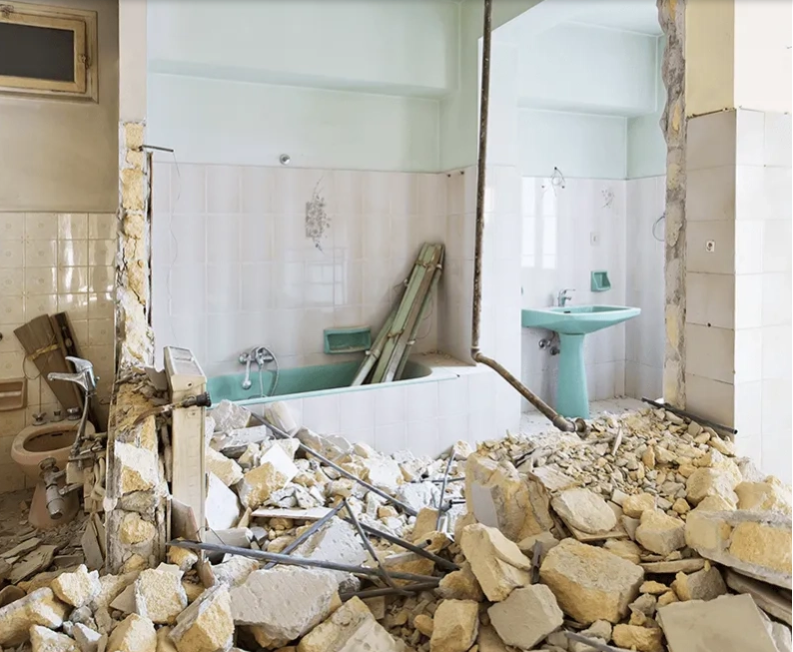
Bathroom remodel demolition is a form of selective demolition. Rather than tearing everything out at once, materials are removed in a planned sequence to protect what remains and prepare the space for new construction. This approach reduces damage, limits dust, and delivers a clean, properly exposed foundation for the remodel.
Demolition typically includes the controlled removal of tile, stone, and mortar beds. These materials are often tightly bonded to walls and floors, requiring precise techniques to prevent damage to framing and minimize silica dust every day in older tile systems.
Tubs, shower pans, and surrounds are removed carefully to protect plumbing lines and structural supports. Vanities, cabinets, and countertops are also removed in a controlled manner, as they often conceal plumbing connections or electrical wiring.
Drywall and cement backer board are removed selectively according to the remodel plan, followed by the removal of the flooring and inspection of the subfloor for moisture damage, rot, or structural concerns that must be addressed before rebuilding.
Throughout the process, plumbing, electrical, framing, and ventilation systems are identified and protected whenever possible. Bathrooms offer minimal margin for error, which is why experience, planning, and precision matter.
Why Bathroom Remodel Demolition Is Not a DIY Project
Bathroom demolition may seem simple at first, but it is one of the most complex areas of a home to dismantle safely. Nearly every surface conceals plumbing, electrical, and ventilation systems, and mistakes made during demolition often lead to costly repairs before the remodel even begins.
Plumbing lines for sinks, toilets, tubs, and showers run behind tiled walls and reinforced flooring. One misplaced cut or aggressive pry can puncture a supply line or drain, causing water damage that spreads beyond the bathroom. Electrical wiring for lighting, outlets, exhaust fans, and heated floors is often routed through the same tight spaces, increasing the risk of accidental damage.
Bathrooms are also prone to hidden moisture problems. Water damage behind walls or under flooring is typical, especially in older homes or repeatedly remodeled bathrooms. DIY demolition can expose mold growth, rotted framing, or compromised subfloors without proper containment, allowing contaminants to spread through the house.
Dust control presents another major challenge. Tile, mortar, and cement-based materials release fine particulate dust when disturbed. Without professional containment, this dust can travel through hallways and HVAC systems. Silica exposure is a serious concern, and standard household masks do not provide adequate protection.
Structural elements further complicate bathroom demolition. Walls may contain load-bearing components or framing tied into adjacent rooms. Removing materials without understanding these interactions can compromise structural stability and delay reconstruction.
In many cases, DIY demolition creates delays rather than savings. Damage to materials meant to remain, missed hidden issues, and cleanup complications often require correction before remodel work can begin. Professional bathroom demolition minimizes these risks through planning, precision, containment, and experience, resulting in a safer, cleaner, and more predictable remodel.
Pre-Demolition Planning and Site Assessment
Before any materials are removed, Local Demo assesses the bathroom layout, construction methods, and material conditions to identify risks and align demolition with the remodel plan. Water and power shutoffs are located and verified to prevent accidental damage.
Ventilation paths are evaluated to understand how dust could travel beyond the bathroom, and access points are planned to minimize disruption to the rest of the home.
The assessment phase also focuses on identifying signs of moisture intrusion or hidden damage. Staining, soft flooring, uneven tile, or prior patchwork can indicate issues behind walls or beneath floors. Identifying these conditions early allows them to be addressed before reconstruction begins.
Permit requirements are confirmed when applicable, particularly when demolition involves plumbing, electrical, or structural elements. Demolition timelines are coordinated with remodel contractors so the next phase can begin without delay.
This planning phase reduces surprises, limits rework, and delivers a clean, properly prepared space ready for rebuilding.

Surface Protection and Containment for Bathroom Remodel Demolition
Bathrooms may be small, but the impact of uncontrolled demolition can be significant. Dust generated during demolition does not remain confined to a single room. Without proper containment, it can move quickly through hallways, HVAC systems, and shared walls, affecting the entire home.
Local Demo places a strong emphasis on surface protection and containment to keep demolition clean and controlled. Floors are protected from entry points through the work area, preventing damage to finished surfaces and limiting debris tracking. This protection is significant in occupied homes where daily foot traffic continues throughout the project.
Professional containment methods are used to isolate the bathroom from the rest of the living space. Zipper walls and sealed barriers create controlled access points while maintaining a physical separation between work areas and occupied zones. Plastic containment systems are installed to fully enclose the demolition area, reducing the spread of dust and debris.
When conditions require it, negative air machines and HEPA filtration are used to manage airborne particles. These systems help maintain air quality by capturing fine dust generated during the removal of tile, mortar, and cement board. This is particularly important in bathrooms, where demolition often involves materials that produce fine particulate dust.
Effective containment keeps the rest of the home clean, protects indoor air quality, and keeps occupants comfortable during demolition.
Controlled Demolition Techniques for Bathroom Remodel
Bathroom demolition requires more control than open-area demolition. Tight dimensions, fixed utilities, and proximity to finished living spaces demand a deliberate, step-by-step approach. At Local Demo, demolition is performed using techniques designed to remove materials efficiently while protecting surrounding structures and systems.
Work begins with proper sequencing. Fixtures are disconnected and isolated before removal to protect plumbing and electrical connections. Heavy components such as tubs, shower pans, and stone countertops are carefully disassembled or sectioned to enable safe removal through narrow doorways without damaging framing, flooring, or adjacent walls.
Tile, mortar, and cement backer board are removed using controlled methods that limit vibration and dust. Rather than aggressive force, precision tools and planned removal patterns are used to protect studs, subfloors, and utility lines hidden behind finished surfaces. This approach also helps preserve structural integrity and reduces the need for repairs before rebuilding can begin.
Local Demo crews are trained to work efficiently in confined spaces, managing debris removal without disrupting the rest of the house. Materials are staged, bagged, and removed methodically to maintain a clean and organized work area throughout the process. Daily cleanup is a key part of controlled demolition. Debris is removed regularly rather than allowed to accumulate, reducing dust, improving safety, and keeping the site manageable.
Handling Hidden Issues Discovered During Demolition
One of the key reasons to approach bathroom demolition professionally is the likelihood of uncovering hidden issues once materials are removed. Bathrooms experience more moisture exposure than any other room, and problems are often concealed behind walls, beneath flooring, or around plumbing penetrations. Common discoveries include water-damaged framing, rotted subfloors, deteriorated drywall, and mold growth behind shower assemblies or tub enclosures.
Older homes may also reveal outdated plumbing, improper electrical routing, or previous repairs that no longer meet current standards. When hidden issues are found, Local Demo follows a transparent process. Conditions are documented and communicated promptly so homeowners and remodel contractors clearly understand the space before moving forward. This allows informed decisions to be made without guesswork or last-minute surprises.
Rather than covering up problems, demolition pauses when needed to ensure corrective work is adequately addressed. Identifying and resolving these issues early prevents them from being sealed behind new finishes, where they can cause long-term damage or premature failure.
Safety and Compliance During Bathroom Remodel Demolition
Bathroom remodel demolition involves confined spaces, heavy materials, utilities, and airborne dust. Safety is a critical part of doing the job correctly. Professional demolition ensures that work is performed in a way that protects workers, occupants, and the structure. Local Demo crews follow strict safety protocols throughout the demolition process.
Personal protective equipment is used to guard against dust, debris, and sharp materials. Controlled cutting methods are used to minimize airborne particulates during the removal of tile, mortar, and cement-based products. Special care is taken when working around plumbing and electrical systems. Even after shutoffs are confirmed, demolition proceeds cautiously to prevent accidental damage or exposure.
Debris is handled and removed regularly to keep walkways clear and minimize hazards inside the home. Demolition debris is consistently removed and disposed of in accordance with local regulations, keeping the jobsite clean and organized. A safe demolition environment supports a smoother remodel and reduces the risk of delays, injuries, or unexpected complications.
Why Professional Demolition Makes the Remodel Project Smoother
When demolition is done correctly, every phase of the remodel benefits. Cleanly exposed framing allows plumbers, electricians, and installers to work efficiently. Waterproofing systems can be installed properly. Tile layouts align correctly. Finishes perform as intended. Professional demolition reduces the likelihood of surprise repairs, change orders, and schedule disruptions.
Remodel contractors can begin work immediately without spending time correcting demolition-related issues. This coordination improves overall project flow and helps keep budgets and timelines under control. In short, quality demolition supports quality construction. It creates the foundation for a bathroom that not only looks good but also functions properly for years.
With Local Demo, you can depend on:
- Selective, controlled demolition methods
- Strong dust control and containment practices
- Careful protection of plumbing, electrical, and framing
- Clear communication throughout the process
- Respect for the home and the remodel timeline
We work closely with homeowners and contractors to ensure demolition supports the success of the entire project, not just the first phase.

Frequently Asked Questions About Bathroom Remodel Demolition
- How long does demolition for a bathroom remodel take?
Most bathroom demolitions take 1 to 3 days, depending on the bathroom’s size, materials, and any hidden conditions discovered. - Can bathroom demolition be done while the home is occupied?
Yes. With proper containment, dust control, and planning, bathroom demolition can be safely completed in occupied homes. - Will the bathroom demolition spread dust through the house?
No. Professional containment systems, negative air machines, and HEPA filtration prevent dust from spreading beyond the work area. - Do I need permits for bathroom demolition?
Permits may be required if demolition involves plumbing, electrical, or structural changes. Local Demo helps identify applicable permit requirements. - What happens if mold or water damage is found during demolition?
Any mold or water damage is documented and communicated immediately so it can be addressed before reconstruction begins. - How is demolition debris removed?
Debris is contained, regularly removed, and disposed of in accordance with local regulations to keep the site clean and safe. - Will demolition damage areas outside the bathroom?
No. Floors, walls, and access paths are protected to prevent damage to surrounding rooms and finishes. - Can demolition uncover issues that affect the remodel timeline?
Yes. Hidden damage or outdated systems may affect timelines, but identifying these issues early prevents larger delays later. - Is bathroom demolition noisy?
Some noise is expected, especially during tile and fixture removal, but work is performed efficiently and within appropriate hours. - Do you coordinate bathroom demolition with remodel contractors?
Yes. Demolition is coordinated with remodel contractors to ensure a smooth transition into the construction phase.
Start Your Bathroom Remodel Right with Local Demo
A bathroom remodel is only as successful as the work that comes before it. Demolition done without planning, protection, and precision can create problems that follow the project through to the final inspection. When demolition is handled professionally, the remodel begins on solid ground.
Local Demo provides controlled demolition for bathroom remodels designed to protect your home, properly prepare the space, and support a smooth transition into construction. From planning and containment to clean removal and clear communication, we focus on doing demolition the right way from day one.
Contact Local Demo today to schedule a professional demolition assessment and start your project with confidence.
Get In Touch
Our Location
125 Central Avenue, Unit J Bozeman, MT 59718
Call Us
Phone: (406) 595-0227
E-mail Us
jscauzzo@jobsitesolutionsmt.com
Our Service Area
We Service the Following Counties