

Eliminate Household Mold at the Source
Mold is one of the most overlooked threats to a healthy home. It often develops quietly behind walls, beneath floors, in attics, or in crawl spaces. By the time it becomes visible, it has usually been active for weeks or even months. Because mold can appear as surface staining, many homeowners assume it is a simple cleaning issue. Spray it. Scrub it. Paint over it. Problem solved.
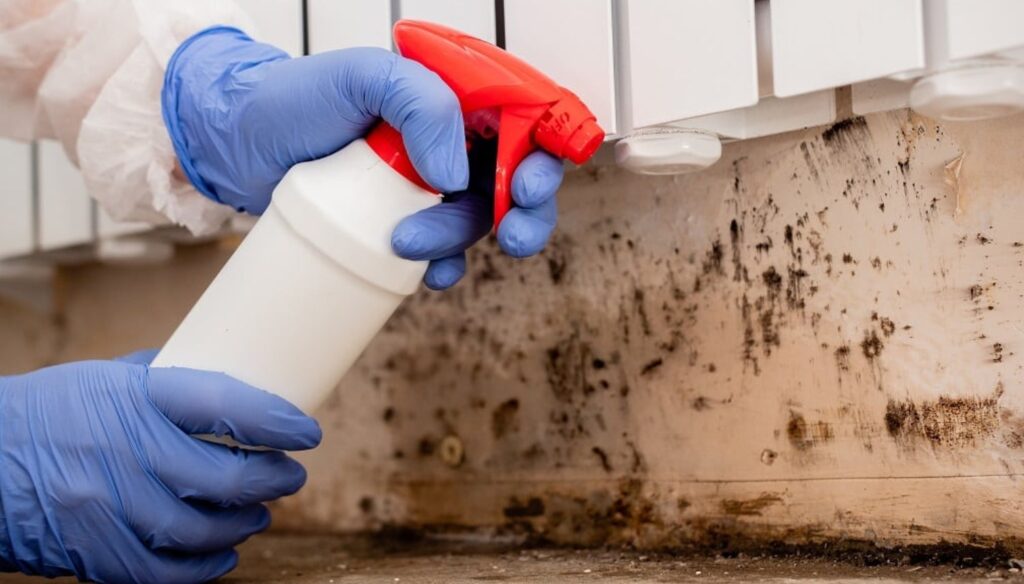
Unfortunately, mold doesn’t respond to surface treatment. Improper removal can disturb spores, spread contamination, and allow hidden growth to continue unchecked. What looks minor on the surface may reflect a much larger issue inside structural cavities or insulation.
Professional mold remediation focuses on more than visible damage. It identifies the moisture source, isolates affected areas, and removes contamination in a controlled, comprehensive manner. This structured approach is the only reliable way to protect indoor air quality and prevent recurring problems.
At Local Demo, we approach mold removal with careful planning, strict containment standards, and a commitment to restoring safe living conditions without unnecessary disruption.
Why Mold Is More Dangerous Than Most Homeowners Realize
Mold requires very little to grow. Moisture, limited airflow, and organic material provide the conditions needed for rapid expansion. Once established, it can spread through drywall, insulation, wood framing, and even HVAC systems.
Much of this growth occurs out of sight. Mold commonly develops behind walls, beneath flooring, around plumbing penetrations, inside crawl spaces, and in poorly ventilated attics. Because it remains hidden, contamination may progress significantly before visible signs appear.
As colonies expand, microscopic spores are released into the air. These spores circulate through living spaces and are easily inhaled. Over time, exposure can lead to respiratory irritation, sinus congestion, headaches, fatigue, allergic reactions, and aggravated asthma symptoms. Children, older adults, and individuals with compromised immune systems are particularly vulnerable.
Beyond health concerns, mold gradually degrades the materials on which it grows. It weakens drywall, deteriorates framing, compromises insulation performance, and accelerates structural degradation. Left untreated, contamination can reduce property value and increase the scope of necessary repairs.
Because mold spreads invisibly and affects both air quality and structural integrity, surface cleaning alone rarely resolves the true extent of the problem.
Why DIY Mold Removal Often Makes the Problem Worse
Many homeowners attempt to handle mold using store-bought cleaners, bleach, or home remedies. While these products may remove visible staining, they rarely eliminate the underlying contamination.
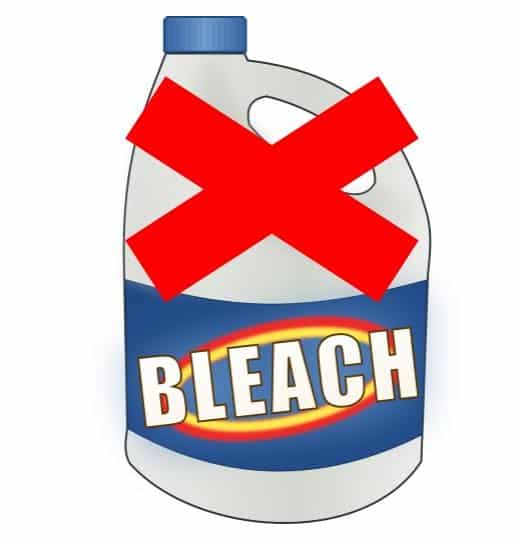 Bleach doesn’t penetrate porous materials such as drywall, wood, or insulation. It may kill surface spores while leaving the underlying mold structure intact. Molds are fungi and can grow back after bleaching. When moisture returns, growth resumes.
DIY efforts also lack proper containment. Scrubbing, sanding, or cutting into affected materials without sealed barriers releases microscopic spores into the air.
What begins as a small, localized issue can quickly spread to other rooms through airflow and surface contact. Without professional-grade filtration and containment systems, airborne spores can settle into ductwork, furnishings, and hidden cavities. This often expands the affected area and increases long-term remediation costs.
Mold removal is not simply a cleaning task. It requires controlled isolation, specialized air management, and safe material handling to prevent cross-contamination and protect indoor air quality. Attempting to shortcut that process can unintentionally make a manageable issue far more extensive.
What Professional Mold Remediation Involves
At Local Demo, professional mold remediation follows a structured, methodical process designed to eliminate contamination without allowing it to spread. Each project begins with a detailed inspection to identify affected areas, evaluate moisture sources, and determine the scope of remediation. This assessment guides containment planning and material removal strategies.
Once the plan is established, containment systems are installed to isolate contaminated zones. These include sealed barriers, zipper wall enclosures, and controlled access points that prevent cross-contamination. Negative air machines and HEPA filtration systems are then deployed to regulate airflow and continuously remove airborne spores throughout the project.
Damaged materials, including drywall, insulation, and affected framing, are carefully removed, sealed, and prepared for proper disposal. Remaining surfaces are professionally cleaned, treated, and sanitized to eliminate residual contamination. Before restoration begins, final air filtration and surface cleaning are performed to ensure safe indoor conditions and long-term stability.

How Local Demo Protects Your Home During Mold Removal
Mold remediation is not only about removing contaminated materials. It is about protecting the rest of the home while that work is being performed. Local Demo focuses on safeguarding living areas, furnishings, and indoor air quality throughout the entire process. Work zones are fully isolated to prevent spores and debris from entering unaffected spaces.
Protective coverings are installed over flooring, surfaces, and adjacent areas. Entry and exit points are managed carefully to limit disruption and maintain cleanliness. Contaminated materials are handled, sealed, and transported in accordance with strict safety protocols. This controlled approach reduces exposure risks and protects both occupants and technicians.
Work areas are monitored and maintained daily. Equipment is inspected, barriers are reinforced, and filtration systems remain active until remediation is complete. Final HEPA vacuuming and detailed surface sanitation ensure that living spaces are returned to clean, healthy conditions.
This layered protection approach preserves air quality, minimizes disruption, and allows homeowners to remain confident that their property and family are protected from start to finish.
Health and Safety Benefits of Professional Mold Removal
Mold is an indoor environmental hazard that directly affects both physical health and daily comfort. When spores circulate through living spaces, they are easily inhaled and can contribute to respiratory irritation, chronic congestion, headaches, fatigue, allergy flare-ups, and worsening asthma symptoms.
Prolonged exposure increases health risks, particularly for children, seniors, and individuals with compromised immune systems. Professional mold remediation addresses these risks at their source. By fully containing affected areas and using advanced air filtration, specialists remove spores from both surfaces and indoor air. This improves overall air quality and reduces the likelihood of ongoing exposure after remediation is complete.
Controlled removal also prevents cross-contamination. Without proper safeguards, spores can settle in ductwork, furnishings, and hidden structural cavities, where they may continue to cause problems long after visible mold is gone. Professional equipment, protective gear, and established safety protocols are designed to eliminate this residual risk.
For families, professional remediation offers more than cleanup. It restores confidence in the home as a safe, healthy environment and supports long-term comfort and well-being.
Ensure Long-Term Protection and Prevention with Professional Mold Remediation
Removing mold is only part of an effective solution. Preventing it from returning is equally important. Mold growth is driven by moisture. Leaks, condensation, drainage issues, poor ventilation, and high humidity levels create ideal conditions for contamination to develop and spread. If these factors are not corrected, mold is likely to reappear even after thorough remediation.
During remediation, professionals evaluate contributing conditions and identify potential problem areas. Local Demo provides practical recommendations to improve airflow, regulate humidity, seal leaks, and stabilize affected materials. Professional drying and moisture monitoring ensure that treated areas no longer support mold growth before restoration begins. This stabilization phase is critical to long-term success.
Homeowners also receive guidance on preventative maintenance, including monitoring humidity, responding quickly to water intrusion, and maintaining proper ventilation. These proactive steps reduce future risk and help preserve healthy indoor conditions. Together, remediation and prevention create lasting protection rather than temporary improvement.

When to Call a Professional Immediately
Some mold problems can develop gradually, while others require immediate professional attention. Homeowners should contact a remediation specialist as soon as any of the following warning signs appear:
- Visible mold on walls, ceilings, flooring, or around vents
- Persistent musty or damp odors
- Recent water damage, leaks, or flooding
- Recurring mold after repeated cleaning attempts
- Unexplained respiratory symptoms or allergy flare-ups
- Mold near HVAC systems, inside ductwork, or behind cabinets
- Large or expanding contaminated areas
These conditions often indicate hidden growth, widespread contamination, or unresolved moisture issues that cannot be resolved by surface cleaning alone. Early professional intervention limits structural damage, reduces health risks, and lowers overall remediation costs. Acting quickly protects both the home and the people who live in it.
Frequently Asked Questions About Our Professional Mold Remediation
- Is bleach effective for removing mold?
No. Bleach doesn’t penetrate porous materials and often allows regrowth. - How long does professional mold remediation take?
Most projects take one to five days, depending on severity. - Can I stay in my home during remediation?
Often, yes, with proper containment. Large projects may require temporary relocation. - Will mold return after removal?
Not when moisture issues are properly resolved. - How much does remediation cost?
Costs vary by scope. Professional inspection provides accurate estimates. - Do you test after remediation?
Post-remediation verification may be performed when appropriate. - What areas are most at risk for mold?
Bathrooms, basements, crawl spaces, attics, kitchens, and leak-prone areas.
Schedule Your Mold Remediation Assessment Today!
Mold problems don’t resolve themselves. Left untreated, they can continue to spread, compromise air quality, and damage building materials. We deliver mold remediation built on strict containment, controlled removal, and long-term protection. If you’re concerned about mold in your home, don’t wait.
Contact the mold remediation experts at Local Demo today.
Get In Touch
Our Location
125 Central Avenue, Unit J Bozeman, MT 59718
Call Us
Phone: (406) 595-0227
E-mail Us
jscauzzo@jobsitesolutionsmt.com
Our Service Area
We Service the Following Counties