
On an active jobsite, finished surfaces are the first things to get damaged. A deep scratch across a new hardwood floor. A paint spill on a freshly installed countertop. A chipped tile in a high-traffic hallway. These issues don’t just affect appearance. They can stop a project in its tracks, lead to costly repairs, and create frustration for both contractors and clients.
What makes this especially challenging is that finished materials are often installed before the job is complete. Flooring goes in before the trim is finished. Countertops are set before painting. Fixtures are installed while other trades are still actively working. That means these surfaces are immediately exposed to the realities of a construction environment.
Foot traffic, tools, debris, ladders, equipment, and materials are constantly moving through the space. Dust settles. Fasteners drop. Spills happen. Even small amounts of debris underfoot can grind into a surface over time, causing damage that cannot be undone.
The risk is not just from major incidents. It is the accumulation of everyday jobsite activity that creates wear, scratches, staining, and impact damage. Protecting those surfaces from the start is not optional. It is part of doing the job right.
At Local Demo, surface protection is not treated as an afterthought or a temporary step. It is part of a clean, controlled jobsite system designed to protect the work at every phase. Because once a surface is damaged, you are no longer protecting the project. You are fixing it.
Why Surface Protection Gets Overlooked
Surface protection is often installed at the beginning of a project and then forgotten. That is where problems begin. On paper, protection is simple. Cover the surface and move on. In reality, an active jobsite is constantly changing. Different trades move through the space.
Materials are brought in and out. Equipment is repositioned. What was protected yesterday may not be protected today. Protection materials get shifted, torn, or removed to allow work to continue. Lightweight coverings break down under repeated foot traffic. Tape loosens. Edges curl. Gaps form. Debris builds up on the protection, forming an abrasive layer that can damage the surface beneath.
Moisture introduces another layer of risk. Water, paint, mud, and cleaning solutions can seep through or become trapped, especially when the wrong materials are used. What was intended to protect the surface can end up causing damage.
In many cases, protection fails not because it was installed incorrectly, but because it was never maintained. By the time damage is discovered, it is often too late. Repairs have to be made, schedules are affected, and accountability becomes unclear. These situations can quickly impact both timelines and relationships.
Surface protection is not a one-time task. It is an ongoing process that requires inspection, cleaning, adjustment, and replacement as the project progresses. A well-managed jobsite treats protection as a system, not a step.
What Surfaces Need Protection on Active Jobsites
Any finished surface is vulnerable until the project is complete. It does not matter how durable a material may be. Under construction conditions, even the strongest surfaces can be damaged without proper protection.
This includes:
- Hardwood flooring
- Laminate and vinyl flooring
- Tile and stone surfaces
- Carpeted areas
- Countertops, including granite, quartz, and laminate
- Stairs, railings, and trim
- Doorways, thresholds, and entry points
Each of these surfaces has its own set of vulnerabilities. Hardwood floors can scratch and dent from foot traffic, tools, and debris. Tile and stone can chip from impact. Carpet can trap dirt, dust, and moisture, leading to staining and wear. Countertops can be scratched, stained, or damaged by dropped tools and chemicals.
High-traffic areas such as hallways, stairs, and entry points are especially at risk due to constant movement throughout the project. These areas often experience the most wear and are the first to show signs of damage if not properly protected. Edges, corners, and transitions are also common failure points. These areas are frequently overlooked but are highly susceptible to impact and abrasion.
Understanding what you are protecting is the first step. Understanding how it can be damaged helps you protect it effectively. On an active jobsite, it is not a question of whether surfaces will be exposed to risk; it’s whether they are well-protected enough to withstand it.
Matching the Surface Protection to the Risk
Not all areas of a jobsite face the same level of exposure, and treating them the same is where protection starts to fail. Every space within a project is used differently. Some areas see constant foot traffic from multiple trades. Others are exposed to tools, equipment, or materials being moved in and out.
Certain surfaces are at risk from moisture, chemicals, or adhesives. Each of these conditions creates a different type of stress on the finished surface.
A hallway used as a primary access point will experience continuous traffic throughout the day. Boots, carts, ladders, and materials all move through the same path, increasing the risk of scratches, dents, and wear. This type of area requires a durable, impact-resistant covering that can withstand repeated use without breaking down.
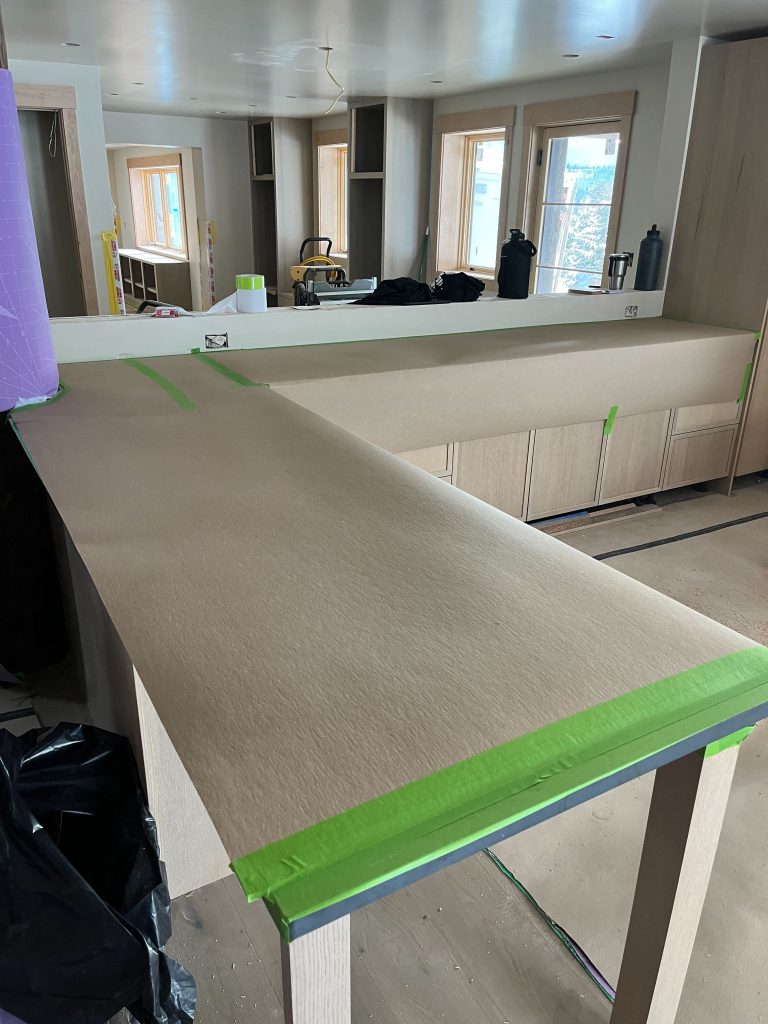
A newly installed countertop faces a different type of risk. It is less about traffic and more about exposure to paint, adhesives, tools, and liquids. Without proper protection, even a small spill or dropped item can cause permanent damage. In this case, a waterproof, non-staining barrier is essential.
The same principle applies throughout the jobsite. Floors, stairs, entry points, and work zones all require different levels of protection based on how they are used. Using the wrong material can lead to failure, even when protection is in place.
Lightweight builder’s paper may help reduce dust, but it tears easily under foot traffic and offers little resistance to moisture. Once it fails, the surface underneath is exposed. Higher-risk areas demand stronger, more reliable solutions that can withstand real jobsite conditions.
Effective protection is not about covering everything with the same material. It is about understanding the risks in each area and selecting protection that can withstand them. Because on an active jobsite, protection does not fail all at once. It fails where it is weakest.
Types of Floor and Surface Protection Materials
Different construction phases require different levels of protection. Early-stage work, high-traffic conditions, and finishing phases all place different demands on materials. Choosing the right protection is what allows surfaces to hold up under those conditions rather than end up on the punch list.
Reinforced Paper Protection
Reinforced kraft paper is designed for environments where standard paper products would fail. Combining heavy-duty paper with a fiberglass scrim creates a stronger, more durable material that resists tearing and puncturing. The reinforcement helps distribute impact and prevents small tears from expanding, which is a common failure point with lighter coverings.
This makes it a reliable option for protecting hardwood, tile, vinyl, and stairs in active work areas. It provides a balance between durability and flexibility, making it well-suited for spaces with regular foot traffic.
Poly-Coated Protection
When moisture becomes a factor, standard protection materials are no longer enough. Poly-coated protection adds a layer of polyethylene, creating a waterproof, non-staining barrier. This prevents liquids such as paint, mud, oil, and adhesives from seeping through and damaging the surface below.
This type of protection is especially important for finished flooring and countertops, where even minor spills can lead to staining, warping, or permanent surface damage. In environments where liquid exposure is likely, a waterproof barrier is not optional. It is necessary.
Surface Protection Boards
Heavy-duty surface protection boards are designed for long-term use and high-traffic conditions. These materials are durable, breathable, and wear-resistant, making them ideal for projects where protection needs to remain in place for an extended period.
Their ability to allow airflow is particularly important for certain flooring types that can be affected by trapped moisture. Surface protection boards provide consistent coverage and hold up well to repeated use, making them a dependable option for maintaining protection throughout multiple construction phases.
Plastic Sheeting
Plastic sheeting provides a simple and effective waterproof barrier, but it comes with limitations. While it protects against moisture, it can become slippery when dust or debris accumulates on its surface. Without regular cleaning, it can create safety hazards for workers moving through the space.
Plastic sheeting is best used in controlled areas where moisture protection is required, but it should always be monitored and maintained to ensure it remains safe and effective.
Adhesive Films
Adhesive films offer quick, convenient protection for finished surfaces such as carpet and certain types of flooring. They help prevent dirt, dust, and staining, making them useful during finishing phases. However, they require regular inspection to ensure they remain properly adhered and do not shift or peel.
If left in place too long or used improperly, some films can leave residue or trap moisture, which can damage the surface they are meant to protect. Proper selection and timing are critical when using adhesive products.
Plywood and Masonite
In areas exposed to heavy equipment, material staging, or high-impact activities, standard protection is often insufficient. Plywood and Masonite provide a rigid, durable barrier that can withstand significant weight and impact. They are commonly used in high-traffic areas or where equipment is moved across finished surfaces.
While highly effective, these materials require more time to install and manage. They must also be handled carefully to prevent creating new risks, such as scratches from debris underneath or damage from improper placement.
Surface Protection: More Than Just Floors
Floor protection is often the focus on a jobsite, but many of the most expensive and vulnerable surfaces are not on the ground. Protecting the entire space requires a broader approach that accounts for vertical and transitional surfaces.
Countertop Protection
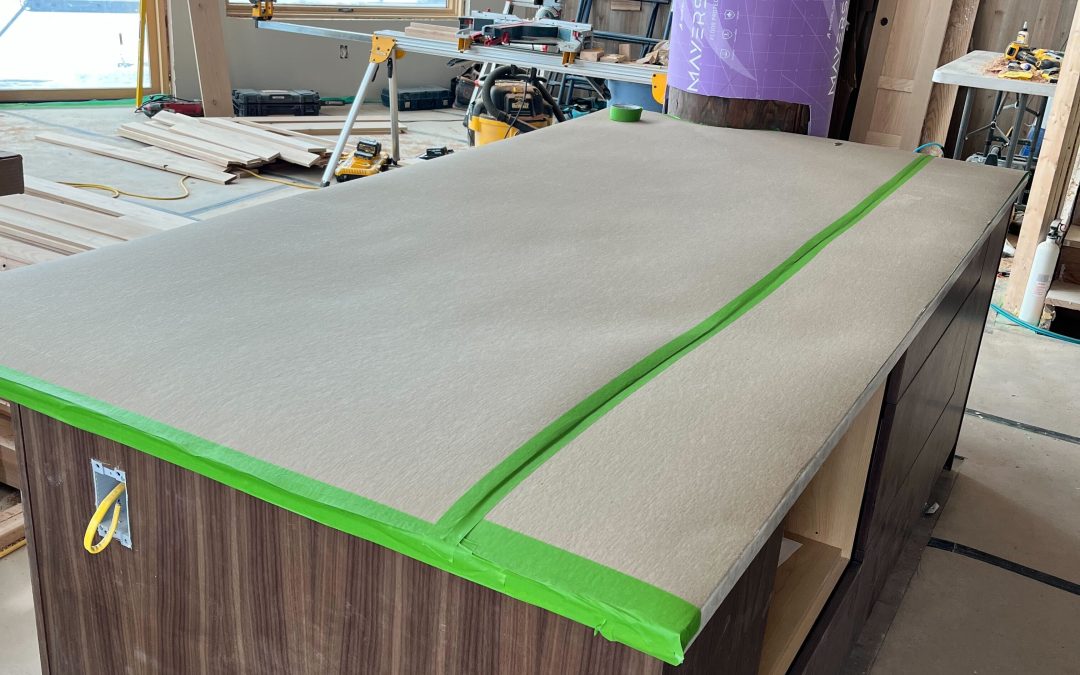
Newly installed countertops are particularly vulnerable during construction. They are often used as temporary work surfaces, staging areas, or storage points, even when they should not be. Paint, adhesives, tools, and materials can all cause damage that is difficult or impossible to repair.
Waterproof, non-staining protection is essential to prevent spills, scratches, and impact damage. Proper coverage and regular inspection help ensure that the surface remains protected throughout the project.
Stairs and Walkways
Stairs and walkways are among the highest-traffic areas on any jobsite. Constant movement increases the risk of wear, scratches, and impact damage. Without proper protection, these areas can quickly deteriorate before the project is even complete. Using durable, securely fastened non-slip coverings helps protect the surface while maintaining safe access for workers.
Doors, Thresholds, and Entry Points
Entry points experience continuous movement of people, tools, and materials. As a result, they are often the first areas to show signs of damage. Door jamb protectors, threshold covers, and walk-off mats help absorb impact and reduce wear. They also play a key role in controlling debris, preventing dirt and dust from being tracked across finished surfaces.
Protecting these transition areas helps protect everything beyond them.
Edges, Corners, and Trim
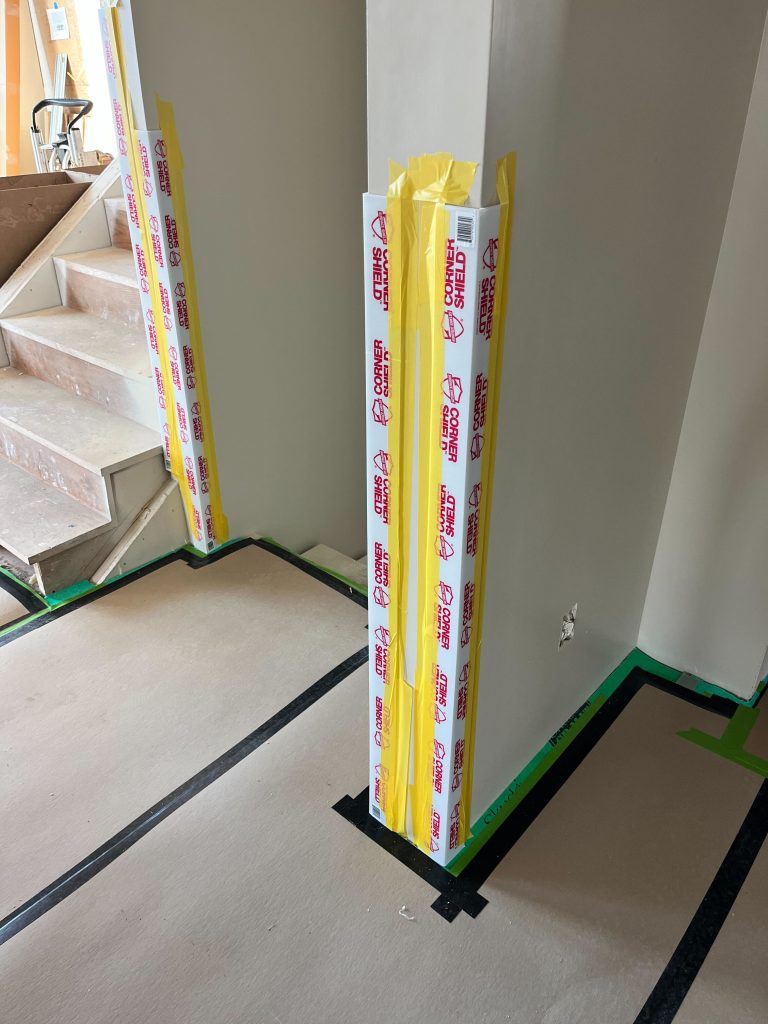
Edges and corners are among the most overlooked areas on a jobsite and among the easiest to damage. These surfaces are exposed to impact from tools, materials, and equipment moving through the space. Chips, dents, and scratches often occur in these areas because they are left unprotected.
Corner guards and edge protection provide an additional layer of defense, helping preserve the space’s detail and finish.
The Most Important Step: Ongoing Surface Protection Maintenance
Even the best protection materials will fail if they are not maintained. Protection isn’t static. Jobsites are constantly changing. Trades move through the space, materials are brought in and out, and work conditions shift from day to day. What was fully protected in the morning may be exposed by the afternoon.
Ongoing maintenance is what keeps protection effective throughout the life of the project. Without it, even high-quality materials will break down, shift, or become part of the problem. Well-maintained protection does more than prevent damage. It helps maintain a safer, cleaner, and more controlled work environment.
Daily Inspection
Protection should be checked regularly to ensure it remains in place and fully covers the surface. As work progresses, coverings can shift, tear, or be partially removed to allow access. Edges can lift. Tape can loosen. High-traffic areas can wear down faster than expected.
Daily inspection allows these issues to be identified early, before they lead to exposed surfaces or safety hazards. Shifting materials, coverage gaps, and trip hazards should be addressed immediately. Consistently making small adjustments prevents larger problems later in the project.
Clean-As-You-Go Approach
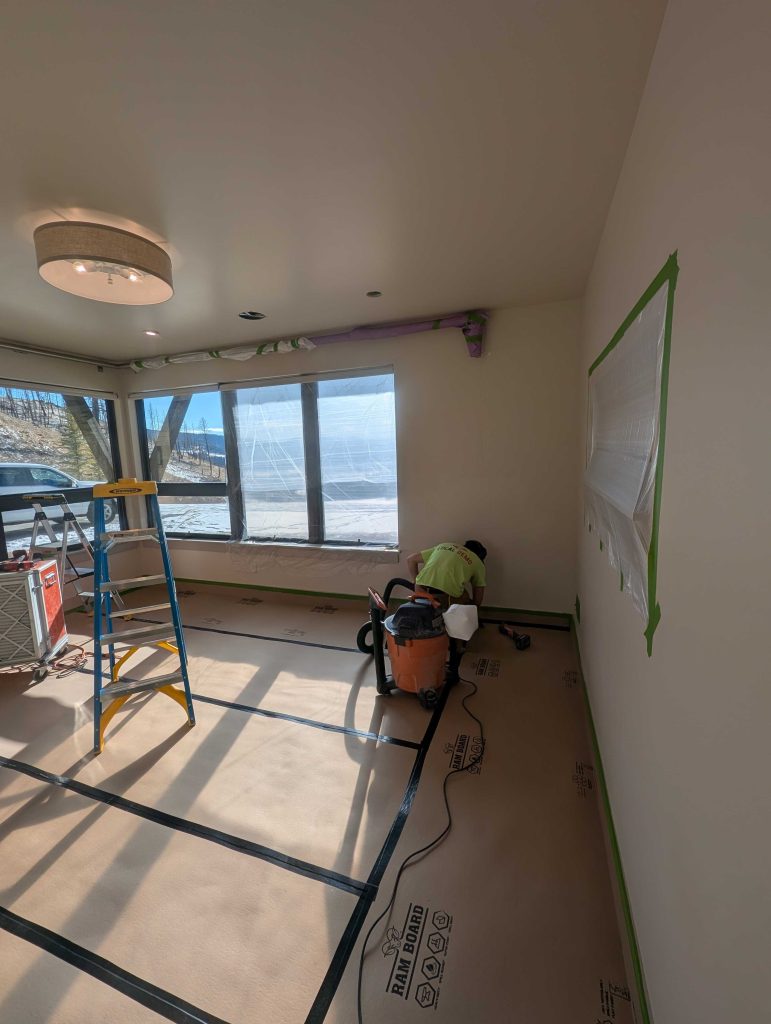
Protection does not eliminate debris; it collects it. Dust, dirt, fasteners, and construction debris often accumulate on top of protective materials. If left in place, these particles can become abrasive under foot traffic, grinding into the surface below and causing damage over time.
A clean-as-you-go approach is essential. Regular sweeping, vacuuming, or wiping down protected areas helps remove debris before it becomes a problem. This not only protects the surface but also improves jobsite safety by reducing slipping and tripping hazards. Clean protection is effective protection.
Repair and Replacement
No protection material is designed to last forever under job-site conditions. Over time, coverings will wear down, especially in high-traffic areas. Tears can form. Edges can curl. Sections can become loose or ineffective.
When this happens, protection must be repaired or replaced promptly. Small tears can quickly expand under continued use, exposing the surface beneath. Loose edges can create both safety hazards and points of failure. Ignoring these issues allows damage to occur in areas that were originally protected.
High-traffic zones such as hallways, entryways, and stairs often require more frequent attention and reinforcement to maintain effective coverage.
Moisture and Spill Management
Liquids introduce a different level of risk. Water, paint, mud, and adhesives can seep through protection materials or become trapped beneath them. Even moisture-resistant products can fail if liquids are allowed to pool or sit for extended periods. Spills should be addressed immediately.
Prompt cleanup prevents seep-through, staining, and warping of underlying materials. It also reduces slip hazards, which can impact worker safety. Managing moisture is not just about protection. It is about maintaining control over the jobsite environment.
Securing Protection Materials
Protection only works when it stays in place. Loose or unsecured materials can shift under foot traffic, exposing the surface underneath and creating safety hazards. Movement also increases wear, causing coverings to break down faster.
Properly securing protection materials helps maintain consistent coverage and reduces the risk of failure. Using the appropriate methods for each surface, such as tape, adhesive systems, or weighted materials, ensures that protection remains stable as work continues. A secure system is a reliable system.
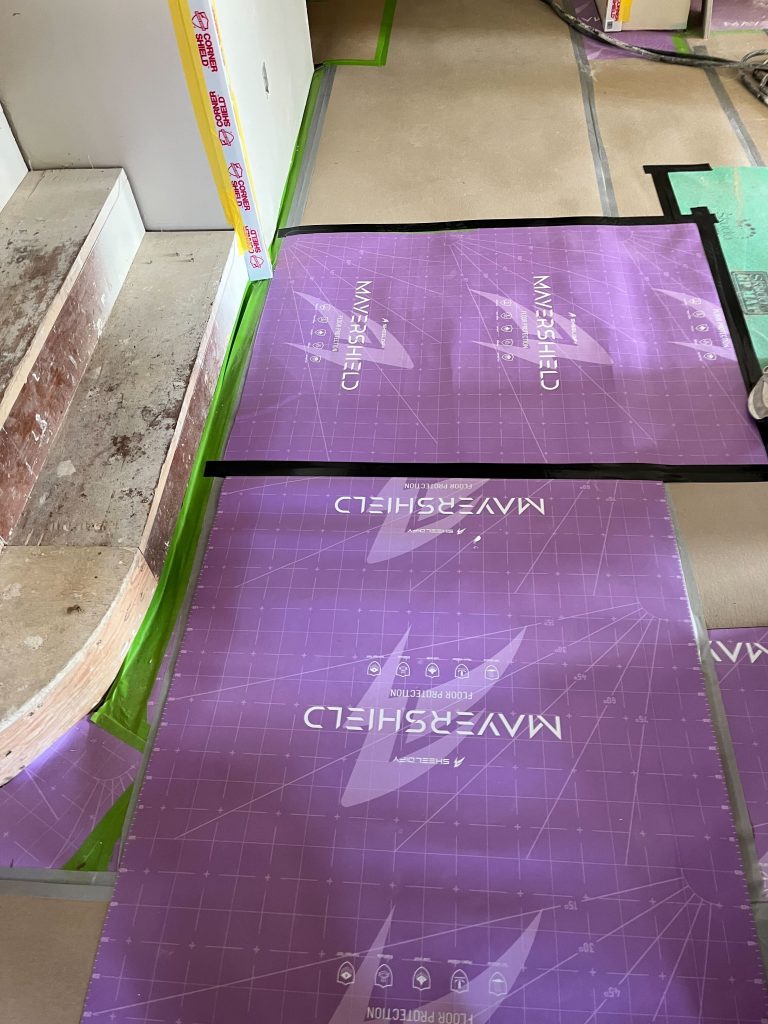
High-Traffic Areas Require Extra Surface Protection Attention
Not all areas of a jobsite wear evenly. Certain zones experience significantly more movement, making them more vulnerable to damage. These areas require additional planning, reinforcement, and ongoing attention.
High-traffic areas include:
- Entryways
- Hallways
- Stairs
- Primary work zones
These locations often serve as pathways for multiple trades, tools, and materials. As a result, they are exposed to constant use throughout the project. Additional layers of protection, reinforced materials, and walk-off mats help reduce wear in these areas. Controlling access, where possible, also helps limit unnecessary traffic and maintain protection.
As the project progresses, traffic patterns often change. Once low-risk areas can become high-use zones, protection needs to be adjusted accordingly. Protection is not a set-it-and-forget-it process. It evolves with the jobsite.
Protecting the Work Until the Job Is Done
Finished surfaces are often the most vulnerable during construction. Proper protection requires more than just covering a floor or countertop. It requires selecting the right materials, installing them correctly, and maintaining them throughout the project.
When protection is treated as part of the process, not an afterthought, it helps preserve quality, protect timelines, and deliver better results. Because the quality of a project is not just defined by how it is built, but by how well it is protected along the way.
FAQs About Surface Protection
1) Why is surface protection important during construction?
Surface protection helps prevent damage to newly installed materials during active construction. Without proper protection, floors, countertops, and finished surfaces can be scratched, stained, or chipped by foot traffic, tools, debris, and spills. Preventing damage reduces repair costs, avoids project delays, and helps maintain a professional final result.
2) Which surfaces should be protected on a jobsite?
All finished surfaces should be protected until construction is complete. This includes hardwood, laminate, tile, vinyl, and carpeted floors, as well as countertops, stairs, railings, doorways, and trim. Each surface has different vulnerabilities and requires the appropriate type of protection.
3) What is the best material for floor protection during construction?
The best material depends on the level of risk. Reinforced paper products are ideal for general protection and foot traffic. Poly-coated materials provide waterproof protection for areas exposed to liquids. For heavy-duty applications, surface protection boards, plywood, or Masonite offer increased durability against impact and equipment.
4) How do you protect countertops during construction?
Countertops should be covered with waterproof, non-staining protection materials to prevent damage from paint, adhesives, and dropped tools. It is important to secure the protection properly and inspect it regularly to ensure it remains effective throughout the project.
5) How often should jobsite protection be maintained?
Surface protection should be inspected daily, especially in high-traffic areas. Maintenance includes cleaning debris, securing loose materials, repairing damage, and replacing worn sections. Ongoing maintenance is essential to maintaining effective protection throughout the project.
6) Can floor protection materials cause damage if left too long?
Yes. Some materials, such as adhesive films or non-breathable coverings, can trap moisture or leave residue if left in place too long. It is important to choose the right surface material and monitor it regularly to avoid unintended damage.
7) What are the most common mistakes with surface protection?
Common mistakes include using lightweight materials in high-traffic areas, failing to secure coverings properly, neglecting maintenance, allowing debris to accumulate, and removing protection too early. These mistakes often lead to preventable damage and costly repairs.
8) When should surface protection be removed?
Surface protection should remain in place until all construction work and final cleaning are complete. Removing protection too early can expose finished surfaces to damage during the final stages of the project.
The Local Demo Approach: Clean, Controlled, and Protected Jobsites
At Local Demo, surface and floor protection is part of a larger system. We focus on maintaining clean, controlled jobsites where protection, dust control, and containment work together to protect both the structure and the finished materials.
Protection is not installed and forgotten. We monitor, maintain, and adjust it throughout the project to ensure consistent performance. Our goal is to ensure a finished space that looks exactly as intended, without damage, delays, or surprises.
If you are planning a renovation or construction project and want to protect your floors, countertops, and finished surfaces the right way, our team is here to help. Local Demo provides professional surface protection, containment, and clean jobsite solutions designed to keep your project on track and your investment protected.
Contact us today to discuss your project and learn how we can support a cleaner, more controlled build from start to finish.
Get In Touch
Our Location
125 Central Avenue, Unit J Bozeman, MT 59718
Call Us
Phone: (406) 595-0227
E-mail Us
jscauzzo@jobsitesolutionsmt.com
Our Service Area
We Service the Following Counties