

Laying the Groundwork for Clean, Safe, and Efficient Demolition
The demolition phase is one of the most critical stages of any commercial renovation. It sets the tone for everything that follows. Strong communication is what allows this phase to unfold safely, efficiently, and without costly surprises.
Commercial renovation projects move quickly and involve many moving parts. Demolition crews, electricians, plumbers, carpenters, and other trades may all be working in proximity. Tenants may still be occupying the space, and every hour of downtime affects schedules and budgets.
In this type of environment, proactive communication becomes essential. It is the structure that keeps the work organized, protects the building, and prevents misunderstandings that can lead to delays or damage.
At Local Demo, we’ve seen how the right communication approach shapes the entire renovation project. During demolition, even a minor breakdown in communication can create significant issues. A missed update about what should remain in place, unclear access routes, or an unreported condition behind a wall can slow down the entire renovation.
When demolition crews and general contractors stay aligned with property managers and building engineers, the project moves forward smoothly and safely.
Proactive Communication Sets the Foundation for a Successful Renovation
Clear Expectations Prevent Costly Surprises
Clear expectations are the backbone of every successful commercial renovation. Before any demolition work begins, every party involved must have a precise understanding of the project scope and the day-to-day requirements.
This means identifying which walls, fixtures, and materials are being removed, where crews will enter and exit, which areas require extra protection, and what level of noise or vibration the building can tolerate. When these details are carefully planned, the work flows smoothly and predictably.
When expectations are not communicated clearly, problems begin to multiply. A single misunderstanding about what should remain intact can lead to the accidental removal of critical materials. Missing information about access points can slow down an entire crew.
A lack of clarity about the daily workflow can cause unnecessary downtime for other trades. These issues result in change orders, scheduling delays, and unexpected repair costs. Strong communication prevents these headaches by ensuring the whole team starts with the same understanding.
Shared Goals to Move the Project Forward
Although each trade performs different tasks, every professional on a renovation site shares the same objective. They want the project to move forward safely, efficiently, and without disruptions. Achieving this level of cooperation requires consistent communication among general contractors, demolition specialists, electricians, plumbers, and building staff.
When everyone understands not only their own responsibilities but also how their work impacts others, coordination becomes much easier. Maintaining alignment requires ongoing communication throughout the project.
Goals may shift as new conditions are discovered or as schedules tighten. A strong communication structure helps teams adjust quickly and stay united. When contractors and building managers know what is happening each day and what to expect next, the renovation stays on track and the entire team benefits from smoother workflow and predictable progress.
Pre-Demolition Walkthroughs and Planning
Identifying Risk Areas Before Work Begins
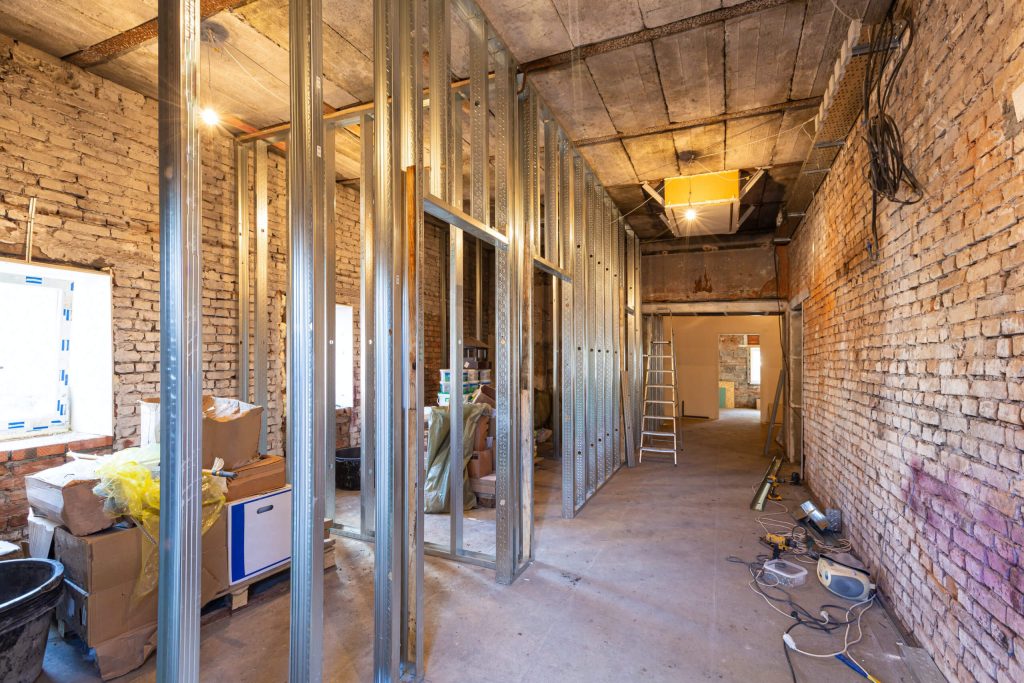
A pre-demolition walkthrough is one of the most critical stages of planning. This walkthrough allows the demolition team to see the building firsthand, identify potential hazards, and document sensitive areas that require careful handling.
It’s during this step that crews locate concealed plumbing lines, electrical feeds, structural supports, mechanical systems, and any finishes or fixtures that must remain untouched. Occupied zones and tenant pathways are also identified to minimize disruptions.
This level of upfront clarity eliminates guesswork once the demolition begins. When the entire team knows exactly what to protect and what to avoid, they can work with confidence and precision. This also ensures that expensive or difficult-to-replace materials are protected from accidental damage. A thorough walkthrough sets clear expectations for the demolition crew and helps prevent costly errors.
Documenting the Work Plan
A detailed work plan results from a successful walkthrough. This document outlines everything from the path crews will use to move debris out of the building to the staging area for dumpsters and equipment.
It includes the type of containment to be installed, the required level of surface protection, and the exact areas designated for demolition. It also defines haul routes, access control points, dust control strategies, and safety procedures.
A well-documented plan benefits everyone involved. Crews do not have to stop and ask questions throughout the day because they already have clear direction. Other trades understand when and where demolition will occur so they can plan their work accordingly.
Property managers and building engineers know what to expect and can prepare tenants or building occupants. Documentation reduces confusion, improves efficiency, and helps maintain a clean, organized job site.
Safety Communication on Active Job Sites
Sharing Safety Protocols
Active commercial job sites can be complex, busy environments. Workers from different trades are moving equipment, accessing multiple levels, and completing high-risk tasks in a shared space. To keep everyone safe, clear communication about safety expectations must begin long before the first day of work.
Every person on site needs to understand the required PPE, the location of restricted zones, the emergency response plan, and the procedures for moving tools, machinery, and debris. When these expectations are clearly explained and consistently reinforced, the job site becomes far safer for both workers and building occupants.
Safety communication does not end after the initial meeting. It continues throughout the project through daily briefings, signage, coordination among supervisors, and ongoing reminders about site conditions. This consistent communication reduces confusion about where crews should be working and how equipment should be operated within shared spaces.
The more informed workers are, the less likely they are to encounter avoidable hazards.
Preventing Hazards Through Clear Direction
Miscommunication is one of the leading causes of job site accidents. When workers do not know who is operating equipment, which areas are open or closed, or where overhead work is taking place, the risk of injury increases.
A simple misunderstanding can lead to equipment collisions, workers entering unsafe zones, or materials being removed at the wrong time. Clear communication prevents these incidents by giving everyone a shared understanding of the day’s tasks and responsibilities. When teams know exactly where they are supposed to be and what work is happening around them, they can make safer decisions.
Effective communication also allows supervisors to address hazards quickly before they impact the project. This level of clarity and coordination creates a controlled environment where safety remains the top priority.
Communication Prevents Damage in Sensitive Spaces
Protecting High-Value Finishes
Selective demolition is precise work that requires careful handling of high-value finishes and structural elements that must remain intact. These include storefront glass, custom millwork, terrazzo and polished concrete floors, specialty lighting fixtures, data cabling, and unique architectural features.
Because these materials are often expensive to replace, the demolition team must have a crystal clear understanding of what must be preserved.
Clear communication among the general contractor, demolition crew, and property manager ensures that all sensitive areas are identified early. This includes documenting finishes, outlining protection requirements, and confirming which materials require additional care.
When everyone shares the same information, the crew can perform their work accurately and with confidence, significantly reducing the risk of damage.
Confirming Project Boundaries
Commercial buildings often have intricate layouts, shared walls, concealed utilities, and interconnected systems. These complexities mean that project boundaries must be reviewed and confirmed multiple times throughout the renovation.
A simple boundary mistake can lead to the removal of materials that were never intended to be touched. Clear communication keeps everyone aligned on what is included in the demolition scope and what must remain untouched. This includes labeling protected items, walking the job site with the general contractor, and verifying the plan as work progresses.
By regularly revisiting boundaries, crews avoid costly errors and keep the renovation on track. This careful approach protects both the project budget and the integrity of the building.
Final Walkthrough and Closeout
Ensuring the Space is Ready for the Next Trade
The final walkthrough is the moment when the quality of communication throughout the project becomes clear. This walkthrough ensures that all demolition tasks have been completed as agreed, debris has been removed, and the space is clean, safe, and fully prepared for the next trade.
A thorough closeout prevents the general contractor from encountering delays that could have been avoided with better communication. If demolition is not completed correctly or if leftover debris impedes the next phase of work, the entire project can fall behind schedule.
A well-executed final walkthrough keeps momentum steady and gives contractors the confidence to move forward without interruption.
Confirming Satisfaction Before Moving Forward
Before the demolition team leaves the site, open communication ensures that all parties are satisfied with the results. This is the time to address any minor adjustments, answer questions, and review any final concerns. When communication remains transparent during this stage, the relationship between contractor and demolition partner grows stronger.
If you want a demolition partner that understands the importance of clarity, coordination, and a problem-solving mindset, Local Demo is ready to help. Our selective demolition approach protects your schedule, your budget, and your property.
FAQ: Why Clear Communication is Key During Demolition and Commercial Renovation
How does Local Demo communicate with general contractors and property managers?
Local Demo provides consistent updates through daily check-ins, written progress summaries, walkthroughs, and direct coordination with site supervisors. Our team stays in close contact from pre-demolition planning through final closeout, so contractors and building staff always know what to expect next.
What happens during a pre-demolition walkthrough?
During the walkthrough, we identify structural elements, utilities, protected finishes, access routes, and potential hazards. This information helps us create a clear demolition plan that prevents accidental damage and improves overall workflow once the project begins.
How does communication help protect occupied commercial spaces?
Active buildings require special coordination. Clear communication helps control noise windows, elevator usage, tenant access, and restricted zones. When building staff and tenants know what is happening and when, disruptions stay minimal, and the work can continue smoothly.
How does Local Demo keep job sites safe through communication?
We communicate safety expectations early and reinforce them throughout the project. This includes PPE requirements, restricted areas, emergency procedures, equipment movement, and daily task coordination. Consistent communication significantly reduces the risk of accidents and keeps the site organized.
What if unexpected conditions are found during demolition?
If we uncover hidden utilities, water damage, structural issues, or anything unexpected, we report it immediately. Early communication allows the general contractor to make fast decisions, keeps the project moving, and prevents small issues from turning into costly delays.
How does communication help prevent damage to high-value finishes?
Clear direction ensures that our crew knows exactly which materials must be preserved and which areas require extra protection. Regular verification of work boundaries keeps sensitive finishes safe and eliminates the risk of accidental removal.
What is included in the final walkthrough?
The final walkthrough confirms that all demolition is complete, debris has been removed, and the space is clean and ready for the next trade. This step ensures a smooth transition into construction and prevents unnecessary delays or rework.
How does strong communication benefit the overall project?
Good communication keeps the renovation organized, reduces mistakes, improves safety, and protects the project budget. When everyone understands the plan, the project moves forward with fewer disruptions and better results.
Find Out More
Ready to Partner With a Demolition Team that Communicates Clearly and Delivers Results?
Your renovation deserves a demolition partner who understands the importance of clarity, coordination, and proactive communication. Local Demo is committed to keeping your project on schedule, protecting your budget, and ensuring that every phase of the demolition process is handled with precision and care. We provide comprehensive residential and commercial demolition services in Broadwater, Gallatin, Jefferson, Madison, Meagher, and Park Counties, MT.
If you want a clean, safe, and organized start to your commercial renovation, contact the Local Demo team today. We’re ready to schedule a walkthrough, answer your questions, and provide a detailed proposal tailored to your project.
Get In Touch
Our Location
125 Central Avenue, Unit J Bozeman, MT 59718
Call Us
Phone: (406) 595-0227
E-mail Us
jscauzzo@jobsitesolutionsmt.com
Our Service Area
We Service the Following Counties