
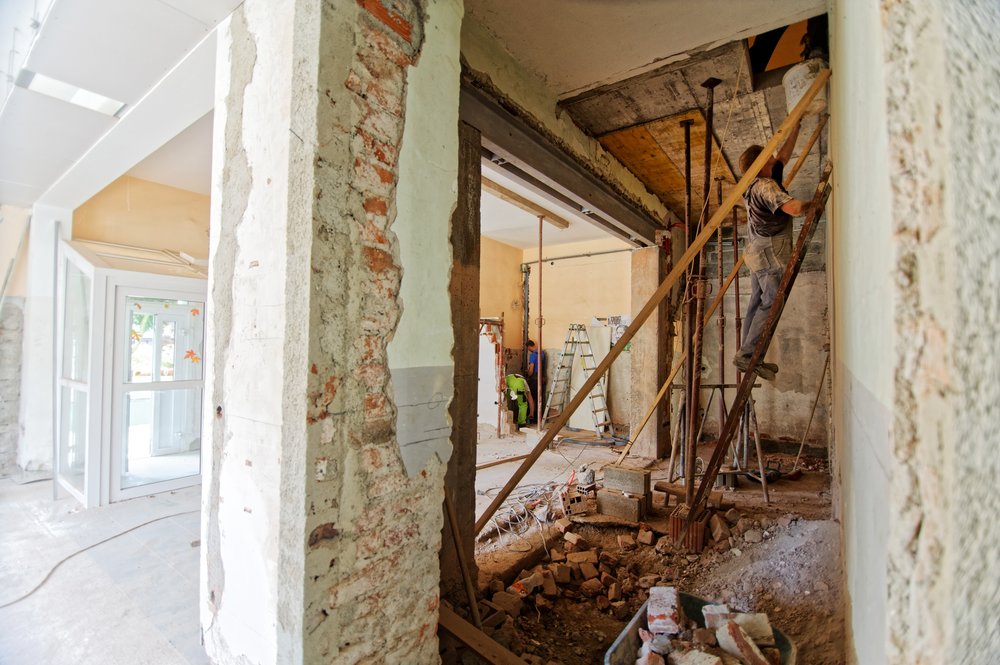
Photo by Milivoj Kuhar
The Demolition Contractor’s Crucial Role in Interior Renovations: Interior renovations breathe new life into residential and commercial spaces, transforming outdated or underutilized environments into functional and aesthetically pleasing ones. This is where a demolition contractor steps in. Removing old and obsolete structures creates a blank canvas for designers and builders to work on, enabling them to customize and optimize the space according to the new design.
Demolition contractors play a pivotal role in ensuring the efficient, safe, and compliant execution of the demolition phase, setting the stage for the subsequent renovation process. Interior demolition is a complex task that requires specialized skills, expertise, and meticulous planning. This article will explore the various aspects of a demolition contractor’s role in interior renovations.
The Demolition Contractor’s Crucial Role
The expertise of a knowledgeable demolition contractor is the cornerstone of a successful interior renovation project. Their knowledge and careful planning lay the foundation for the subsequent renovation process. They must possess various skills, including knowledge of construction materials, building structures, safety protocols, and specialized tools and equipment.
They also require excellent project management and communication skills to coordinate with various stakeholders effectively. Lastly, the contractor ensures the demolition phase is executed efficiently and safely and complies with local codes and regulations.
Project Assessment and Planning
A thorough site evaluation is essential before demolition begins. This includes documenting the existing conditions, identifying structural elements, and assessing potential hazards such as asbestos or lead. Understanding the client’s vision and goals is essential as it will determine the extent of demolition required and the specific elements that need to be preserved or removed.
The contractor will create a detailed demolition plan based on the site assessment and the client’s objectives. This includes a timeline for the project, equipment needed, safety measures, and a budget.
Obtaining Permits and Compliance
The permit acquisition process is crucial for legal compliance. The contractor must be knowledgeable about local building codes and permit requirements for interior demolition projects. Being well-versed with the local building codes is crucial to ensure that the demolition process adheres to the legal requirements set by the municipality.
Safety and environmental compliance are paramount, ensuring the proper handling and disposal of materials and safeguarding the health and safety of the workers and the surrounding community.
Site Preparation and Safety Measures
Before demolition begins, the contractor must ensure the site is prepared. This can include removing any furnishings, installing dust containment systems and securing the area, and disconnecting all utilities to prevent accidents such as electrical shocks or gas leaks. Potential risks such as structural instability or hazardous materials must also be identified and mitigated before demolition begins.
Demolition Techniques and Methods
The contractor must choose the correct demolition methods, which vary depending on the materials and the structural elements. Utilizing the right tools and equipment is essential for efficiency and safety. This includes sledgehammers, jackhammers, and other specialized equipment. Controlled demolition techniques ensure the selective removal of interior components without causing unintended damage to surrounding structures.
Structural Considerations
The contractor must identify and account for load-bearing walls and structural elements to prevent compromising the integrity of the building. Engaging a structural engineer ensures that structural components are safely removed or altered without compromising the integrity of the building. Strategies for preserving integrity during demolition while allowing for modifications include temporary shoring to support the structure during the demolition and remodeling.
Handling Hazardous Materials
Special care must be taken to identify hazardous materials such as asbestos and lead, and proper containment, removal, and disposal procedures must be followed. This involves using specialized equipment and adhering to strict safety standards for handling hazardous materials. Additionally, hazardous materials must be disposed of following local and federal regulations to ensure environmental safety.
Waste Management and Recycling
A systematic plan for collecting, removing, and disposing of debris is crucial to keep the site organized and safe. Materials should be sorted and separated for recycling to minimize environmental impact. Partnerships with recycling centers and waste management services are essential for the responsible disposal of materials.
Communication and Stakeholder Management
Transparent communication with clients, architects, and other stakeholders is crucial. This ensures that all parties are aligned on the objectives and progress of the demolition phase. Synchronization with other contractors is essential for seamless execution and transition to the subsequent stages of the renovation. Also, promptly addressing any concerns or changes the client requests ensures satisfaction and builds a trusting relationship.
Post-Demolition Cleanup and Site Handover
After demolition, the site must be cleared of debris, cleaned, and prepped for renovation. The contractor must ensure proper cleanup and waste disposal to hand over a safe and clean site to the renovation team. A formal handover marks the demolition phase’s completion and the transformation process’s beginning.
Demolition contractors play a crucial role in interior renovation projects. With careful planning and precision execution, they help pave the way for the exciting possibilities of residential and commercial interior renovations, ensuring a successful project.
Contact Local Demo Today!
Whether a kitchen or bathroom remodel, room add-on, exterior façade upgrade, or building interior gutting project, we have the expertise to complete the work efficiently and effectively. Local Demo offers residential and commercial interior and exterior demolition services in Broadwater County, Gallatin County, Jefferson County, Madison County, Meagher County, and Park County, Montana.
- Professional Service
- Expert Interior/Exterior Demolition Services
- Fast Response Time
- High Customer Satisfaction
- Residential and Commercial Demo Services
Call our friendly and professional team today to learn more about our expert residential and commercial demo services and request a free estimate. We look forward to helping with the success of your next project!
Get In Touch
Our Location
125 Central Avenue, Unit J Bozeman, MT 59718
Call Us
Phone: (406) 595-0227
E-mail Us
jscauzzo@jobsitesolutionsmt.com