
A bathroom renovation can completely transform the look, function, and comfort of your home. New tile, updated fixtures, improved storage, and a better layout can make a major difference in how the space feels and performs every day. But before any of that can happen, the old bathroom has to come out.
That’s where demolition begins, and also where many renovation problems can start if the work is not handled carefully. Too often, people think of demolition as the fast, messy part of a remodel. In reality, professional bathroom demolition should be controlled, strategic, and protective of the rest of the home.
Removing tile, drywall, vanities, tubs, and other materials creates dust, debris, and heavy traffic in and out of the work area. Without proper floor and surface protection, damage can spread well beyond the bathroom itself.
At Local Demo, we understand that successful demolition is not just about tearing things out. It’s also about protecting what stays while preparing the space for what comes next.
Why Bathroom Demolition Requires More Than Just Tearing Things Out
Bathroom demolition may look simple from the outside, but it involves much more than swinging a hammer and hauling out debris.
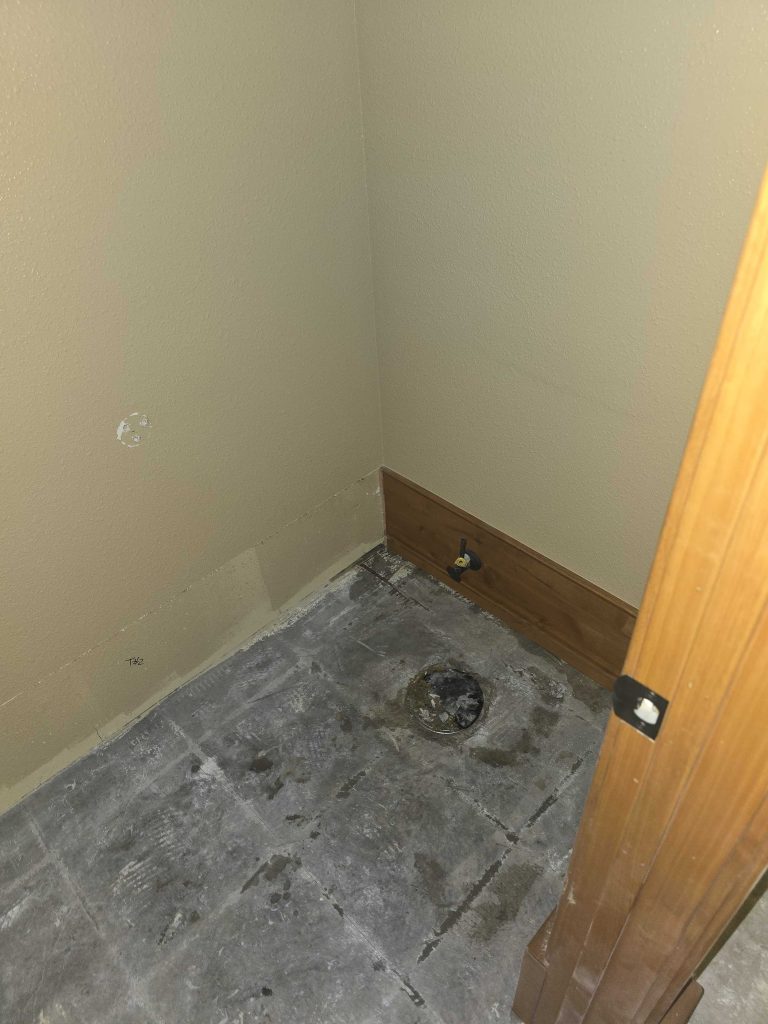 Bathrooms are compact spaces packed with finishes, fixtures, plumbing connections, and nearby surfaces that can easily be damaged if demolition is not handled with care.
Tile, tubs, mirrors, cabinetry, drywall, and flooring must be removed in a way that supports the renovation plan without causing unnecessary harm to adjacent areas.
That is especially important in occupied homes, where demolition crews often have to move materials through hallways, bedrooms, staircases, and entryways to access the bathroom.
A careless approach can lead to scratched flooring, dented walls, damaged trim, and dust spreading into areas of the home that should have remained clean.
Professional bathroom demolition is about precision. The goal is to remove what needs to go while protecting the rest of the home from avoidable damage and disruption.
The Hidden Risks of Unprotected Areas
When a bathroom renovation starts without the right protective measures in place, the risks add up quickly. Dust and debris can travel far beyond the bathroom. Sharp tile fragments, broken drywall, fasteners, and heavy tools can all take a toll on surrounding finishes.
Even a small bathroom project can affect a surprising amount of the home if access paths and nearby surfaces are left exposed.
One of the most common problems is damage to floors outside the immediate work area. Demolition crews make repeated trips in and out of the bathroom carrying debris, tools, and materials. Without protection, hardwood, laminate, vinyl, and tile floors can be scratched, chipped, scuffed, or stained.
Walls and door frames can also suffer from repeated contact, especially in tight hallways or narrow door openings. There’s also the issue of cleanup. When dust control and surface protection are treated as an afterthought, homeowners often end up dealing with messes that spread well beyond the renovation zone.
That means more cleaning, more frustration, and in some cases, added repair costs that could have been avoided with better planning from the start.
Why Floor Protection Matters During Bathroom Demolition and Renovation
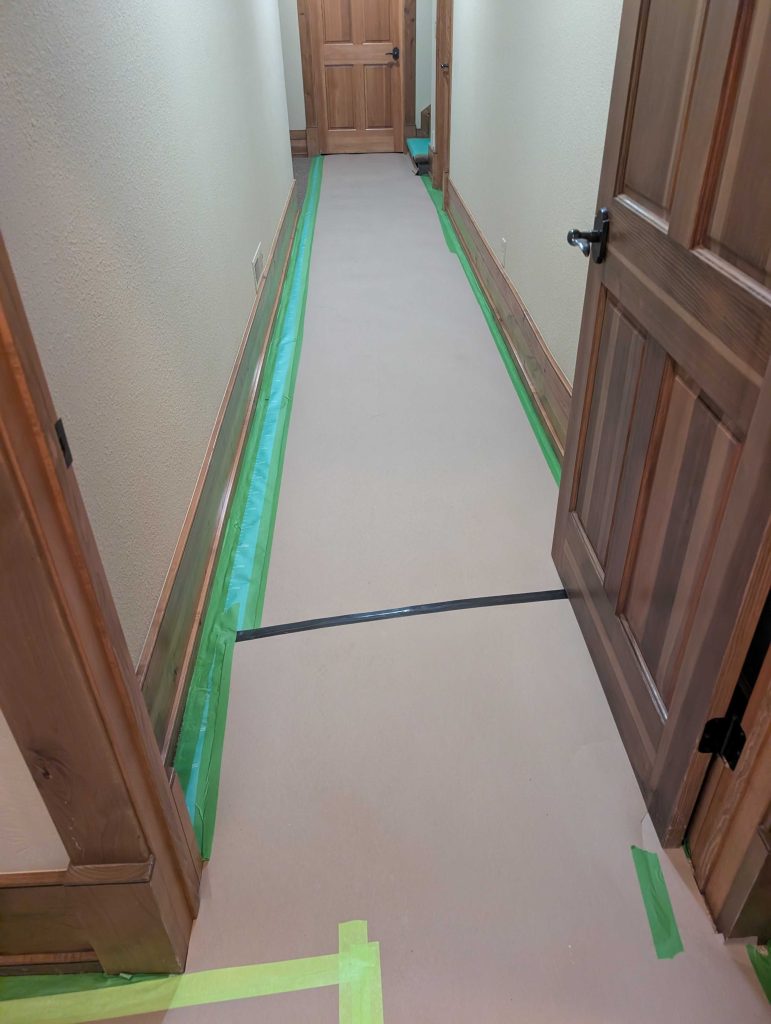
Floor protection is one of the most important parts of a clean, professional demolition process. It is not just about protecting the bathroom floor itself. It is about protecting every area workers must travel through before debris ever leaves the house.
In many bathroom remodels, that includes hallways, bedroom floors, entryways, staircases, and transition points where materials are carried back and forth throughout the day.
Demolition debris is rough on finished flooring. A broken tile has sharp edges. Removed fixtures can be heavy and awkward to maneuver. Tools, buckets, and carts can leave marks if the surfaces beneath them are not properly covered. Even ordinary foot traffic increases the risk when workers repeatedly move in and out during demolition.
Professional floor protection helps reduce wear, impact damage, and dirt tracking during every phase of the job. It also shows respect for the home. Homeowners should not have to worry that a bathroom remodel will leave behind scratches in the hallway or gouges in the entry floor.
When the work is done right, the demolition process stays contained, and the rest of the home remains better protected.
The Importance of Surface Protection Beyond the Bathroom
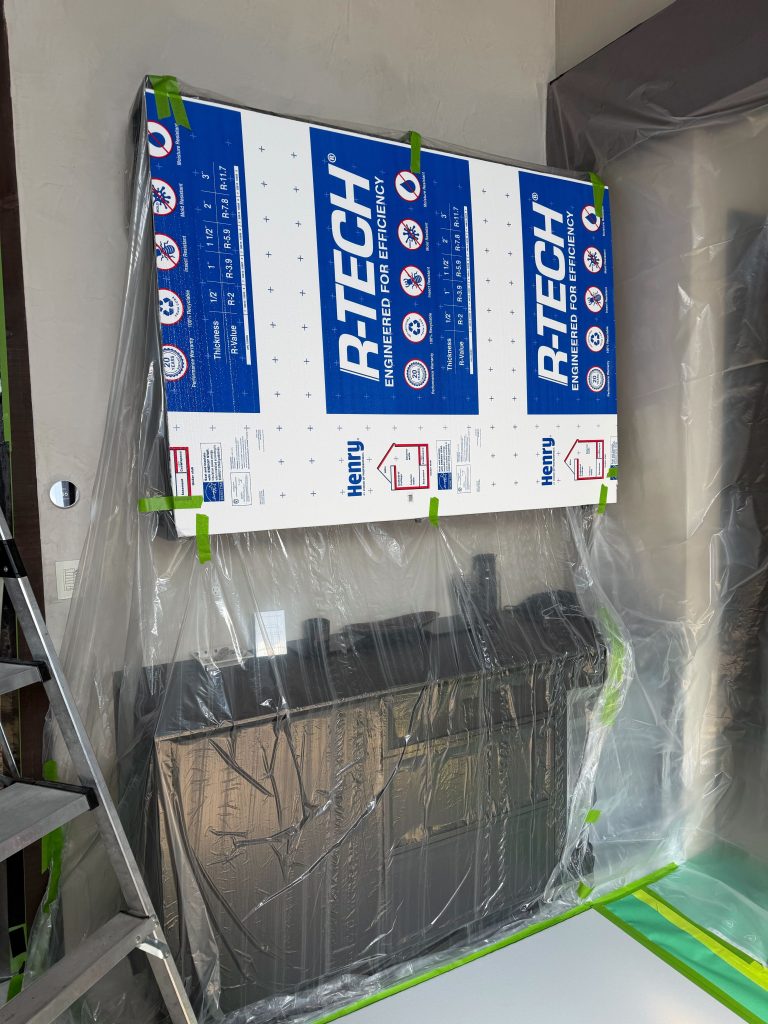
Floor protection is critical, but it is only one part of the equation. During bathroom demolition, other surfaces are also vulnerable to damage, especially along the access path between the work area and the exterior of the home. Walls, corners, trim, door frames, railings, and nearby cabinetry can all take accidental hits when debris is removed or tools are moved in and out.
This becomes even more important in homes with narrow hallways, tight corners, or multi-story layouts. A large vanity, a section of drywall, or a removed tub surround can be difficult to maneuver without brushing up against painted walls, finished woodwork, or stair railings. Without proper protection, minor contact can quickly turn into visible damage.
Surface protection helps prevent these avoidable problems. It creates a buffer between demolition activity and the parts of the home that are not being renovated. That matters not only for appearance, but also for keeping the project focused and reducing the chance of extra touchups and repairs later.
As a professional demolition contractor, Local Demo understands that protecting surrounding surfaces is part of the job, not an optional courtesy.
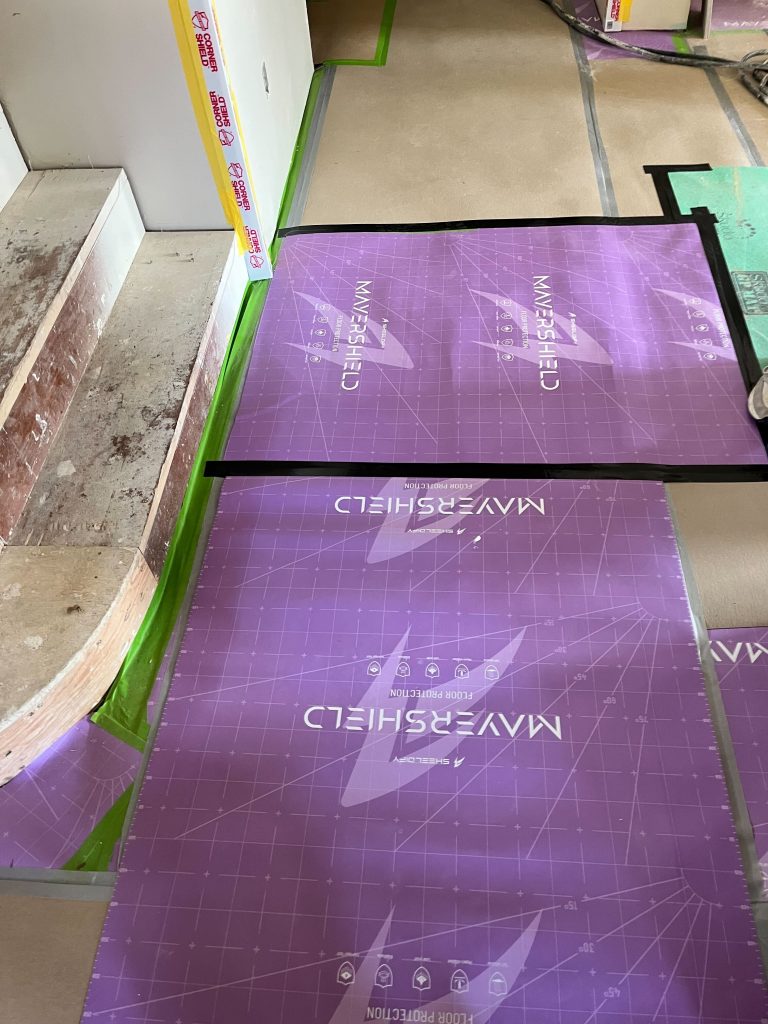
Materials and Methods Used for Floor and Surface Protection
The right protection strategy depends on the home’s layout, the types of materials being removed, and the surfaces that need to be preserved. Professional demolition crews typically use durable, job-specific materials designed to withstand foot traffic, debris movement, and the rough conditions of interior demolition.
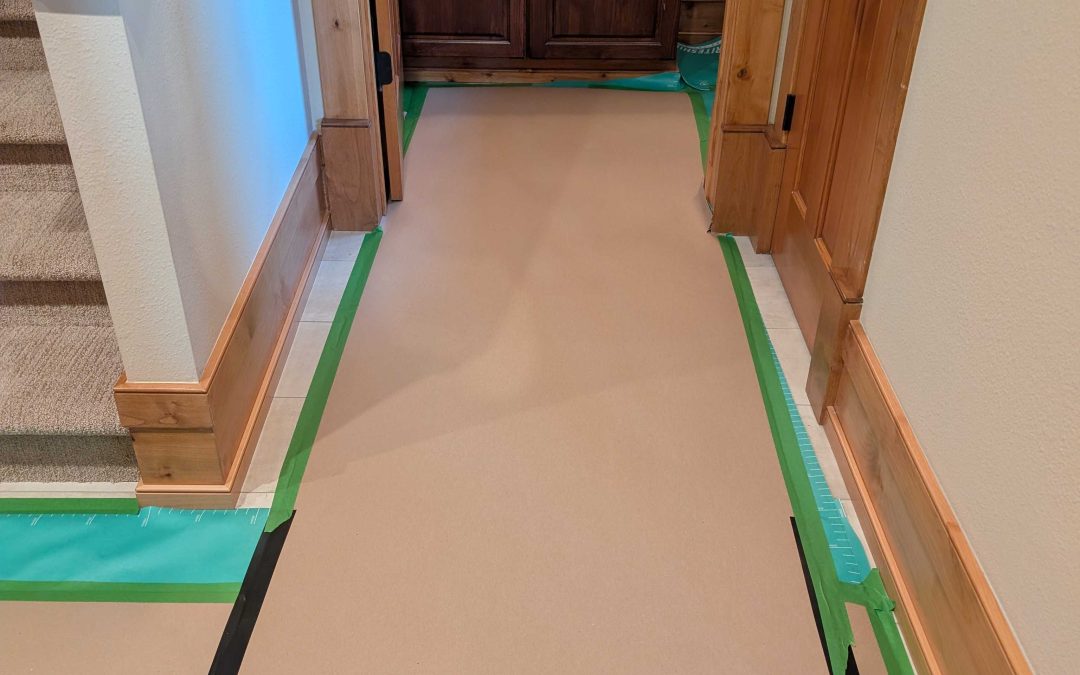
For floors, heavy-duty protective board is often used to shield hardwood, tile, laminate, and other finished surfaces from impact, abrasion, and repeated traffic. Protective coverings may also be layered along key pathways to strengthen high-traffic areas between the bathroom and the home’s exit.
In some situations, taped seams and secured edges help prevent shifting and keep the protection in place throughout the job. For walls, corners, and surrounding finishes, crews may use temporary protective barriers, plastic sheeting, corner guards, or other surface coverings, depending on the layout.
In homes where demolition access is tight or where homeowners are still living in the space during the renovation, these measures can make a major difference in preventing unnecessary wear and accidental damage.
The key is timing. Protection should be installed before demolition starts, not after the first load of debris has already been dragged through the house. A careful contractor plans the protection strategy so the home is safeguarded from the very beginning of the project.
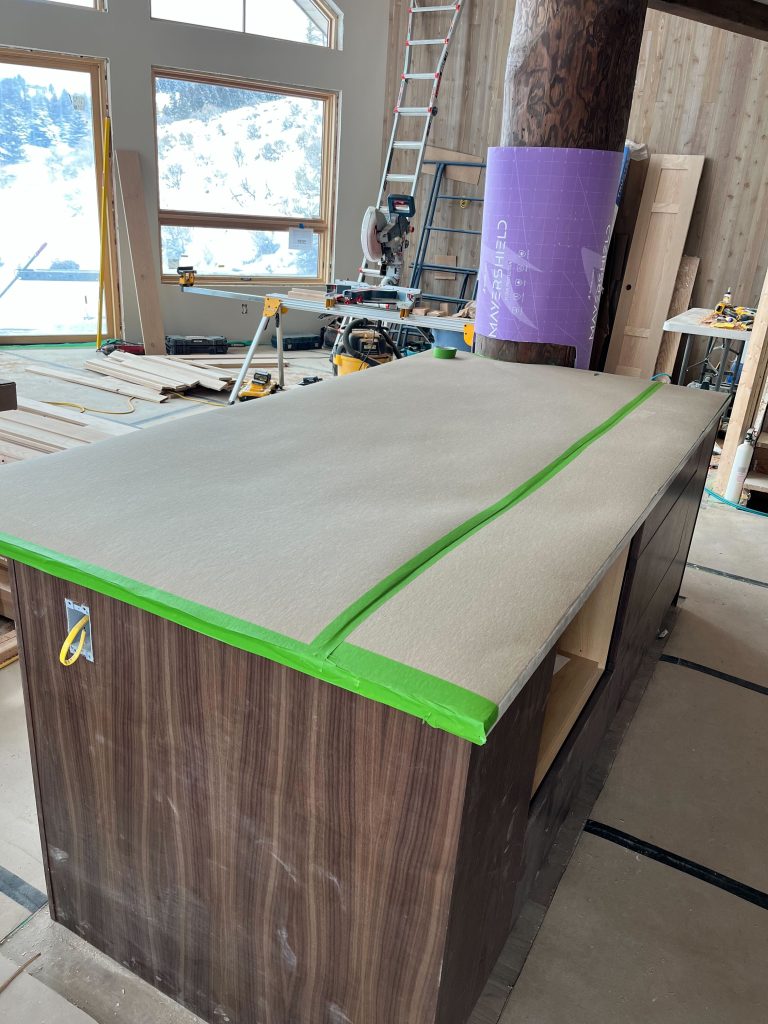
Protecting Finished and Newly Installed Surfaces and Floors
During a bathroom renovation, it is not just the demolition area that needs attention. Surrounding surfaces, access paths, and newly installed materials can all be damaged if proper protection is not in place from the start. Even a relatively small bathroom project can create a surprising amount of dust, debris, and traffic throughout the home.
Crews move in and out of the work area repeatedly while carrying tools, debris, tile, drywall, and new materials. Without the right protective measures, floors outside the bathroom can quickly become scratched, chipped, scuffed, or stained. Hardwood, laminate, vinyl, and tile are all vulnerable, especially in hallways, entry points, and other high-traffic areas leading to the renovation zone.
Walls, trim, and door frames can also be damaged when materials are moved through tight spaces without proper safeguards.
Surface protection is just as important once new materials are installed. Brand-new floors, vanities, countertops, and fixtures can be damaged by dropped tools, dust buildup, adhesive residue, or ongoing construction traffic if they are not properly covered and protected. A renovation should improve the space, not create avoidable damage to the finished work.
When dust control and surface protection are treated as an afterthought, the mess often spreads far beyond the bathroom itself. That can leave homeowners with more cleanup, more frustration, and sometimes unnecessary repair costs.
Proper planning, containment, and floor and surface protection help keep the rest of the home cleaner, safer, and better preserved throughout the renovation process.
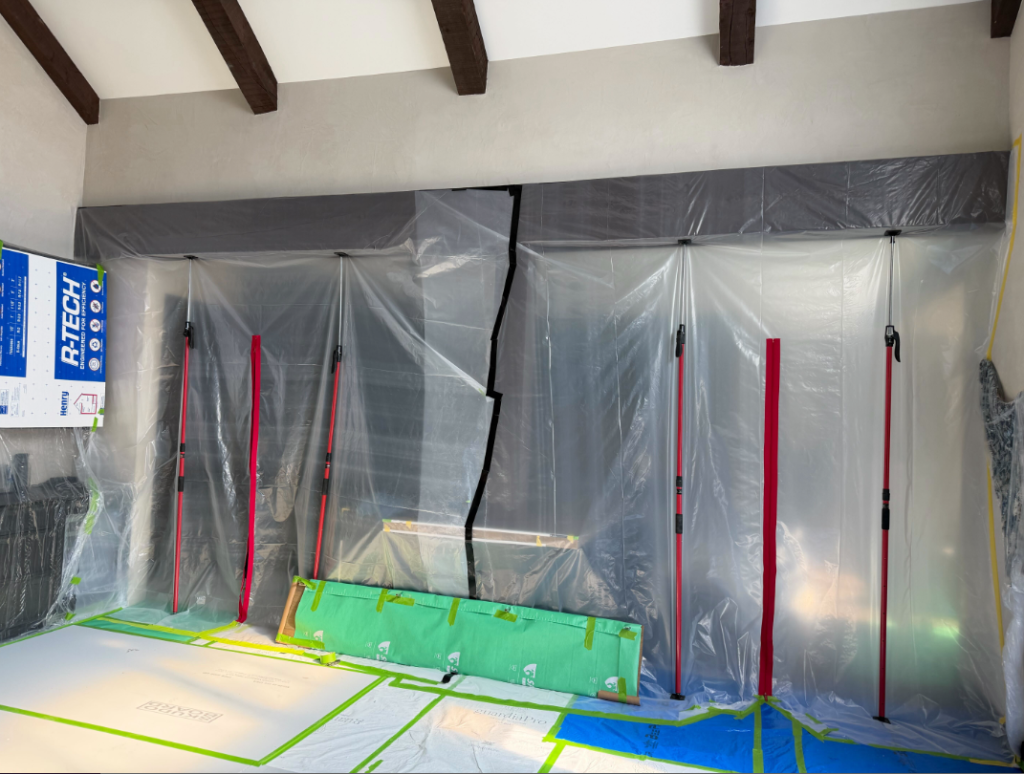

Dust Containment and Clean Work Practices Go Hand in Hand with Surface and Floor Protection
Protecting a home during bathroom demolition is not only about guarding against dents and scratches. Dust control is just as important. Demolition creates fine particles from drywall, grout, tile, and other building materials, and that dust can move quickly into nearby rooms if the work area is not properly contained.
That is why clean demolition practices go hand in hand with floor and surface protection. Containment barriers help isolate the work zone. Controlled debris removal reduces the amount of material spread through the home. Regular cleanup during the project helps prevent buildup, while professional dust control practices help keep the surrounding environment cleaner and more manageable for the homeowner.
When floor protection, surface protection, and dust containment work together, the entire demolition process becomes more organized and less disruptive – better for the home, the renovation team, and the people living in the space during the project.
How the Right Protection Helps Keep Renovation Projects on Track
Bathroom remodels involve multiple moving parts, and delays can be costly. If demolition causes unnecessary damage to surrounding floors, trim, or walls, it can create additional repairs that were never part of the plan. Suddenly, the project is not just about replacing the bathroom. It is also about fixing collateral damage that should not have happened in the first place.
Proper floor and surface protection helps avoid those setbacks. It keeps the demolition phase cleaner, more efficient, and easier to manage. It also makes life easier for contractors and trades who come in after demolition is complete. A well-protected home tends to stay more organized, which supports a smoother transition into the next phase of construction.
For homeowners, that means fewer unpleasant surprises, less stress, and a better overall renovation experience. Protection is not just about being careful. It is about keeping the project on track and preserving confidence in the process from start to finish.
What Homeowners Should Expect from a Professional Demolition Contractor?
Homeowners should expect more from a demolition contractor than basic labor. Bathroom renovation demolition should begin with a clear plan that accounts for both removal and protection. That includes evaluating how debris will be removed, identifying which floors and surfaces require protection, and establishing containment measures before work begins.
A professional contractor should also show respect for the home. That means using proper protection materials, maintaining a cleaner work area, and taking steps to minimize dust and disruption throughout the project. Communication matters too. Homeowners should understand how the contractor plans to protect the property, what to expect during demolition, and how the area will be managed each day.
If a contractor focuses solely on speed and omits surface protection, access paths, or dust control, that is a red flag. Demolition done right is not sloppy. It is deliberate, organized, and focused on preparing the space without creating new problems elsewhere in the home.

Bathroom Demolition: Experience The Local Demo Difference
At Local Demo, bathroom renovation demolition should be handled with precision, care, and respect for the home. Our work is not just about removing old materials. It is about creating a clean, controlled starting point for the renovation that follows. That means paying attention to access paths, protecting floors and nearby surfaces, and helping reduce the mess and disruption that often come with interior demolition.
We understand that many bathroom renovation projects take place in occupied homes, where cleanliness and protection matter just as much as efficient removal. That is why we approach demolition with a focus on preparation, dust control, and jobsite care from the very beginning.
Our goal is to help homeowners move into the next stage of their remodel with greater confidence, less stress, and fewer avoidable issues along the way.
Frequently Asked Questions About Residential Bathroom Demolition and Surface Protection
Why is floor protection important during bathroom demolition?
Floor protection helps prevent scratches, chips, dents, and debris damage in the bathroom and along access paths throughout the home. It is especially important when crews are carrying heavy tools and demolition materials in and out of the work area.
Which surfaces should be protected during a bathroom renovation?
In addition to floors, surfaces such as walls, trim, door frames, corners, railings, and nearby cabinetry may need protection. Any area along the route to and from the bathroom can be vulnerable during demolition.
Can bathroom demolition damage areas outside the bathroom?
Yes. Without proper planning and protection, demolition activity can damage nearby hallways, entryways, adjacent rooms, and staircases. Dust and debris can also spread beyond the immediate work zone.
How do contractors protect floors during demolition?
Professional contractors typically use heavy-duty floor protection materials designed to withstand foot traffic, tools, and debris. These materials are installed before demolition begins and are often placed in all travel paths connected to the project.
Is dust containment necessary for a bathroom renovation project?
Yes. Bathroom demolition can generate significant dust from drywall, tile, grout, and other materials. Dust containment helps keep the mess more contained and reduces the amount of debris that spreads into the rest of the home.
What should I look for in a bathroom demolition contractor?
At Local Demo, we emphasize planning, floor and surface protection, dust control, careful debris removal, and respect for the home. A professional approach should focus on protection just as much as removal.
Does surface protection help reduce cleanup after demolition?
It does. Surface protection helps contain mess, reduce damage, and keep demolition activity from affecting more areas than necessary. That usually leads to easier cleanup and fewer repair issues after demolition is complete.
Can I stay in my home during bathroom demolition?
In many cases, yes, but it depends on the scope of the work and how well the demolition area is contained. Proper protection and dust control measures can help homeowners stay in their homes during the renovation process.
Contact Local Demo Today!
If you’re planning a bathroom renovation, kitchen remodel, interior layout change, or another home upgrade, Local Demo Can help your project get off to the right start! Enjoy peace of mind knowing you’re working with a trusted and reliable demolition company.
Contact us today to discuss your project, serving Broadwater, Gallatin, Jefferson, Madison, Meagher, and Park counties, Montana.
Get In Touch
Our Location
125 Central Avenue, Unit J Bozeman, MT 59718
Call Us
Phone: (406) 595-0227
E-mail Us
jscauzzo@jobsitesolutionsmt.com
Our Service Area
We Service the Following Counties