
Precision, Planning, and a Strong Respect for the Jobsite
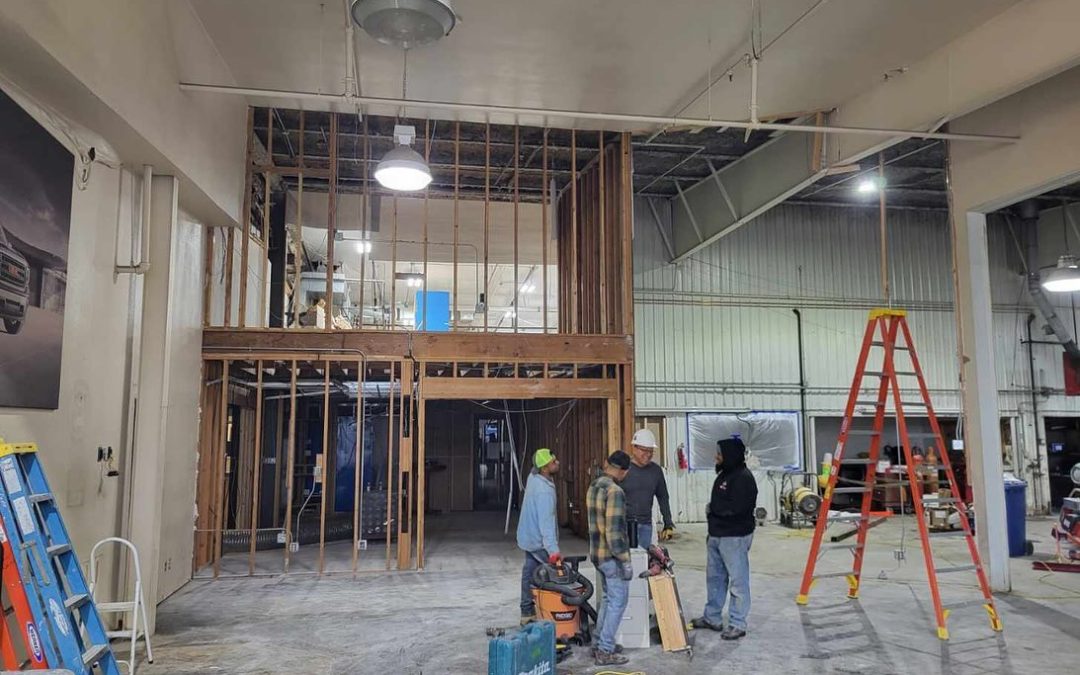
Commercial interior renovations don’t begin with the rebuild. They begin with the removal process that makes the new work possible. Before walls are reframed, finishes are upgraded, or layouts are reworked, the existing space often needs to be carefully stripped back in a controlled and strategic way.
That is where commercial selective demolition comes in. Unlike full structural demolition, commercial selective demolition focuses on removing specific materials, systems, and interior components while protecting the parts of the property intended to remain. In commercial environments, that level of precision matters.
Offices, retail suites, medical spaces, schools, restaurants, and other business properties often require renovation work that must be completed safely, efficiently, and with minimal disruption.
When handled properly, commercial selective demolition helps support a smoother renovation process from the very beginning. It creates a cleaner path for subsequent trades, reduces unnecessary damage, and allows the project to move forward with greater control.
What Is Commercial Selective Demolition and Why Does It Matter?
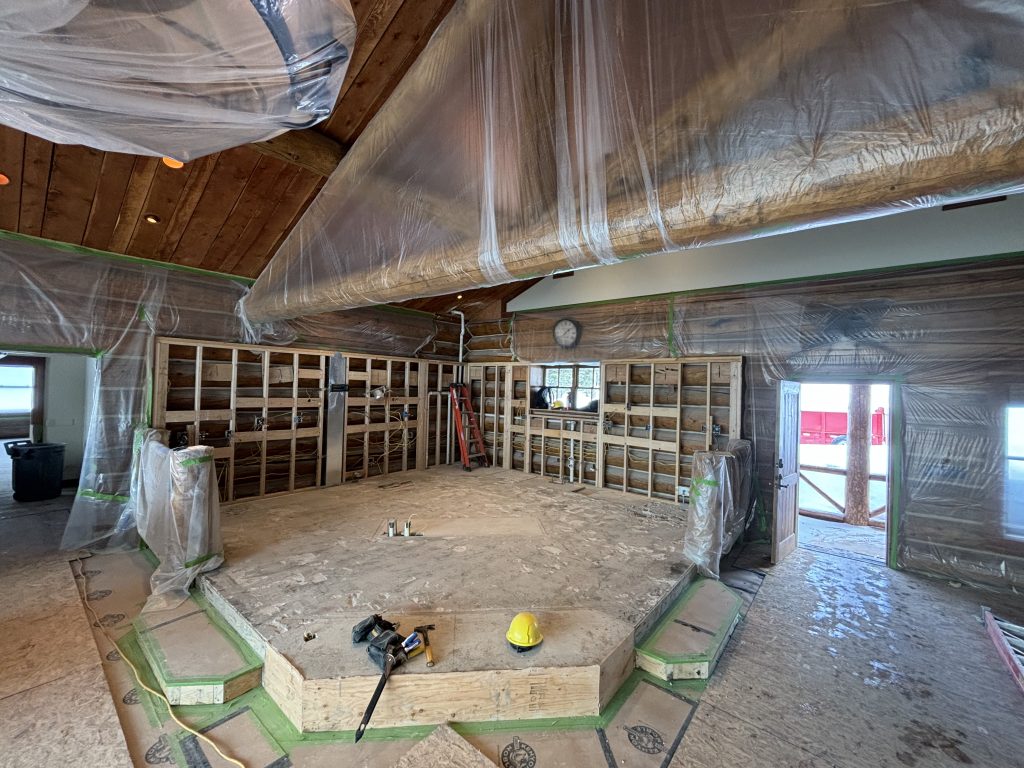
Commercial selective demolition is the process of removing specific interior materials, systems, and components while leaving the rest of the structure intact. Instead of knocking down an entire building, selective demolition focuses on targeted removal.
That may include drywall, ceilings, flooring, cabinetry, fixtures, framing, and other non-structural elements that need to be cleared out during a renovation or build-out.
This approach matters because interior commercial projects are not full teardowns, and the goal is to update, improve, or repurpose an existing interior space. That means certain areas need to be opened up while other parts of the property must remain protected.
At Local Demo, our professional demolition crew understands that balance. The work needs to be deliberate, organized, and aligned with the larger construction plan.
Done right, selective demolition helps protect surrounding finishes, reduce avoidable damage, improve safety, and create a better starting point for the trades that follow.
Why Professional Selective Demolition Is Needed for Commercial Interior Renovations
Commercial interior renovations often involve far more than cosmetic changes. Walls may need to be opened, layouts may need to shift, outdated finishes may need to be removed, and building systems may need to be accessed or upgraded.
None of that can happen efficiently without careful demolition work at the front end of the project. Experienced selective demolition is essential because it helps prepare the space for what comes next without compromising the parts of the building that are staying in place.
In a commercial renovation, that might mean removing old tenant improvements while protecting shared corridors, preserving structural framing, or opening up specific areas for new plumbing, electrical, or HVAC work.
It also helps the renovation process stay more organized. Clean, strategic demolition makes it easier to identify existing conditions, uncover issues early, and avoid delays caused by careless removal or unnecessary damage.
When demolition is performed with planning and attention to detail, the project gets off to a stronger start. That is especially important in commercial environments where multiple trades, tight timelines, and business considerations are all in play.
A messy or poorly managed demolition phase can create ripple effects throughout the rest of the renovation. A controlled and professional approach helps reduce those problems before they start.
At Local Demo, we see selective demolition as a preparatory step in helping a renovation project succeed. Careful removal work can expose existing issues, reveal problems early, and reduce complications later in the job.
It also helps maintain better on-site organization, which is especially important on commercial projects where timelines, coordination, and cleanliness all matter.
The Importance of Dust Control During Commercial Interior Demolition
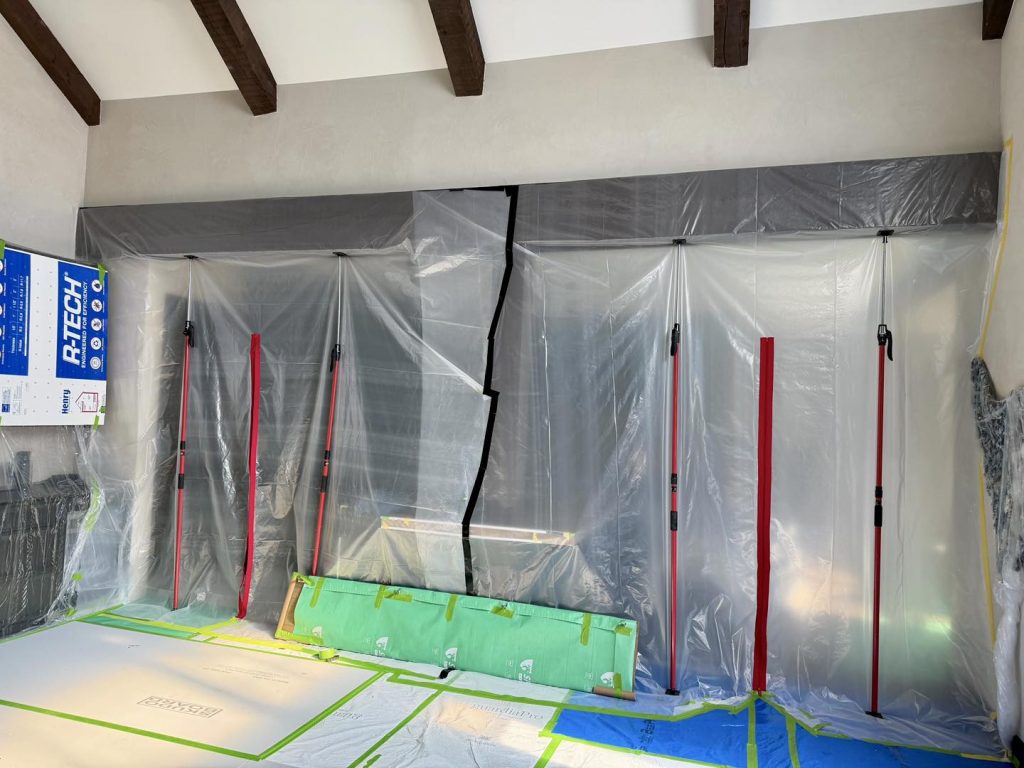
Dust control is one of the most important parts of any commercial interior demolition project. Removing drywall, ceilings, flooring, and other materials can generate significant amounts of airborne dust and debris.
If that dust is not properly contained, it can escape into surrounding areas, affect indoor air quality, disrupt nearby operations, and create additional cleanup issues across the property.
That is a major concern in commercial environments, especially when the building is partially occupied or when nearby spaces need to remain clean and functional throughout the project. Local Demo places a strong emphasis on dust control and containment. Commercial demolition should never be treated casually.
Proper dust management may involve containment barriers, zipper walls, plastic protection, negative air machines, HEPA filtration, and thoughtful debris-handling practices to reduce dust spread beyond the active work area.
The goal is not just to get materials out, but to do the work in a way that supports a cleaner, safer, and more professional jobsite. Strong dust control measures help protect the property, reduce disruption, and make the overall renovation process easier for everyone involved.
Why Surface Protection Matters During Commercial Selective Demolition
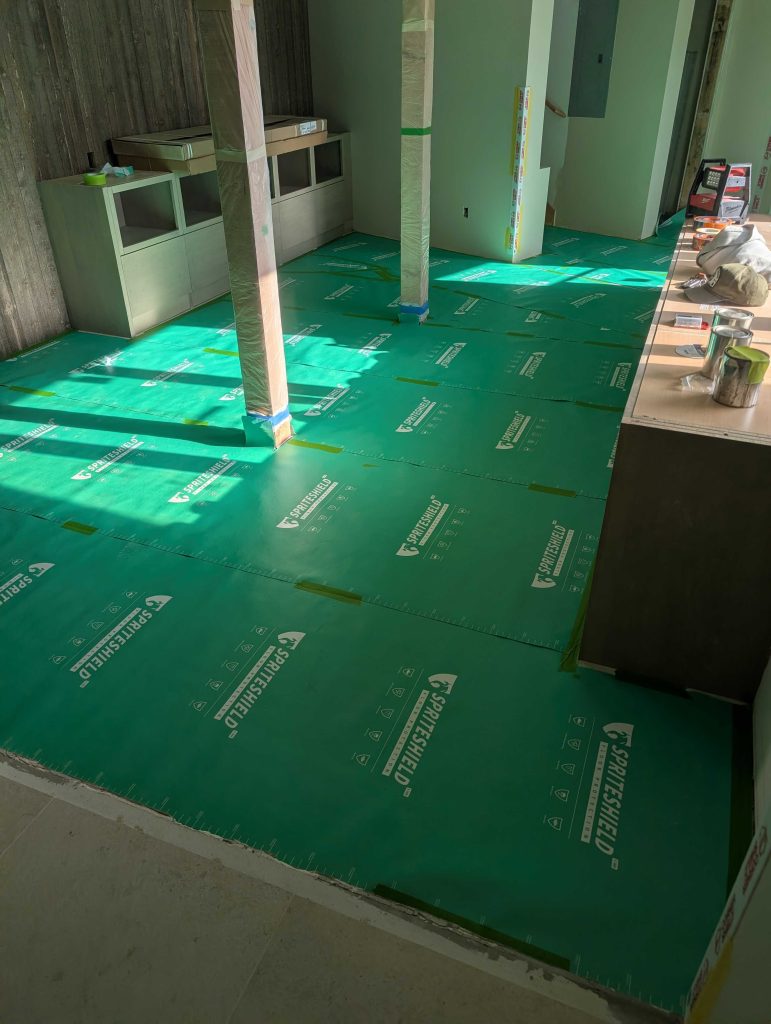
Surface protection is another important part of a well-managed commercial interior demolition project. When demolition work is underway, it is not just the active work area that needs attention.
Hallways, doorways, elevators, shared corridors, finished flooring, and adjacent surfaces can all be exposed to heavy foot traffic, moving debris, tools, and material removal throughout the job.
Without proper protection, the surrounding areas can quickly become scuffed, scratched, chipped, or dirtied during demolition. That can create avoidable damage, additional cleanup, and added frustration for property owners, tenants, and other trades working nearby.
At Local Demo, we take surface protection very seriously. Protecting floors, entry points, and other vulnerable finishes helps support a cleaner and more controlled jobsite while reducing the risk of unnecessary damage beyond the demolition zone.
In occupied commercial environments, that level of care becomes even more important because the condition of surrounding spaces can directly affect daily operations, tenant experience, and overall project flow.
Strong surface protection is part of a thoughtful demolition approach that respects the property, protects existing finishes, and helps the project move forward with greater professionalism and control.
Protecting Occupied Spaces During Commercial Interior Renovations
Many commercial selective demolition projects take place in active buildings. Offices may still be operating in nearby suites. Customers may still be coming and going. Staff, tenants, patients, and visitors may still use other parts of the property while the renovation progresses.
That changes everything about how demolition work should be approached. In these environments, demolition is not just about removal. It is about controlling the impact of the work on the rest of the building.
Noise, dust, access routes, debris removal, and surface protection all need to be carefully managed so the project can move forward without creating unnecessary interference.
Local Demo understands the importance of working with care in occupied spaces. That means using containment systems where needed, protecting floors and surrounding surfaces, staging the work thoughtfully, and maintaining a cleaner, more organized work area throughout the process.
It also means respecting that the building still has people in it and that those people need a safer, more manageable environment while construction is underway.
Protecting occupied commercial spaces is one of the clearest signs of a professional selective demolition team. It shows that the contractor is thinking beyond demolition itself and taking the overall property, the people in it, and the success of the renovation seriously.
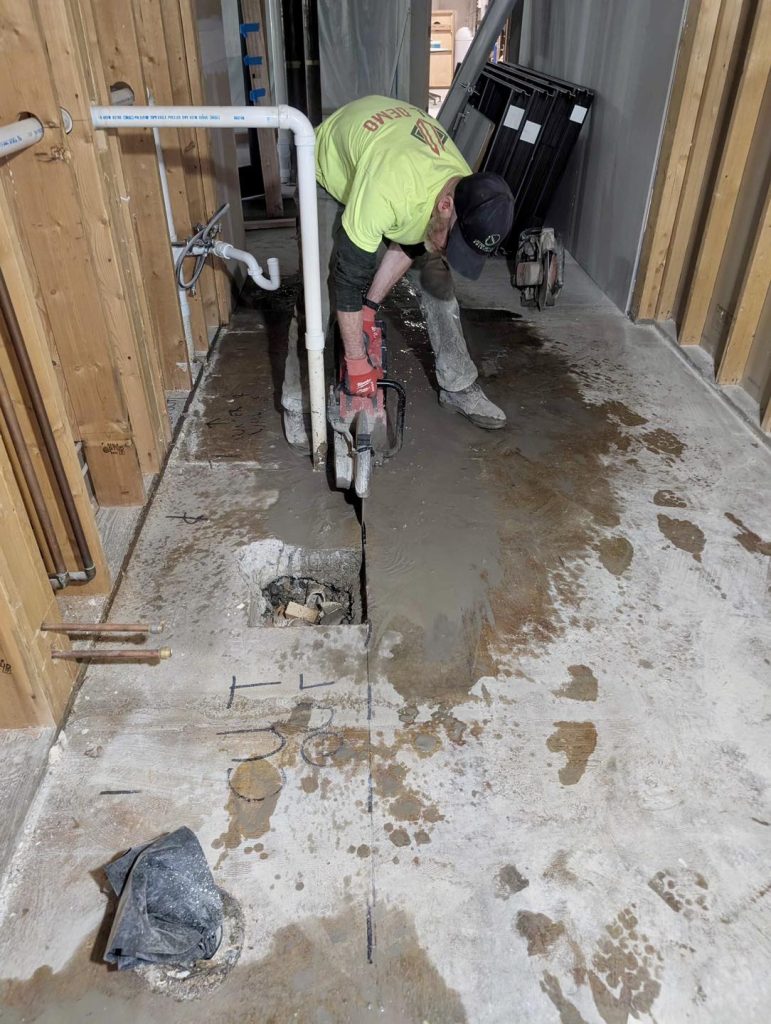
What to Look for When Hiring a Commercial Demolition Contractor
Hiring the right commercial demolition contractor can make a major difference in how smoothly a renovation project begins. Not every demolition company approaches interior commercial work with the same level of planning, precision, or professionalism.
One of the first things to look for is relevant experience. Commercial interior demolition requires a different mindset than large-scale structural teardown work. The contractor should understand how to remove targeted materials without damaging adjacent areas or creating unnecessary problems for the rest of the project.
It’s also important to assess how the company handles dust control, site protection, and job-site cleanliness. Ask whether they use containment systems, protect surrounding surfaces, and plan for organized debris removal. In occupied or sensitive environments, these details matter even more.
Communication and coordination also deserve close attention. A strong contractor should be able to work as part of a larger renovation team, follow project sequencing, and understand how demolition affects the work that comes next. The goal isn’t chaos. It’s controlled progress.
At Local Demo, we believe commercial selective demolition should be approached with the same professionalism and attention to detail as any other critical phase of construction. The right contractor helps create momentum for the renovation, not setbacks.
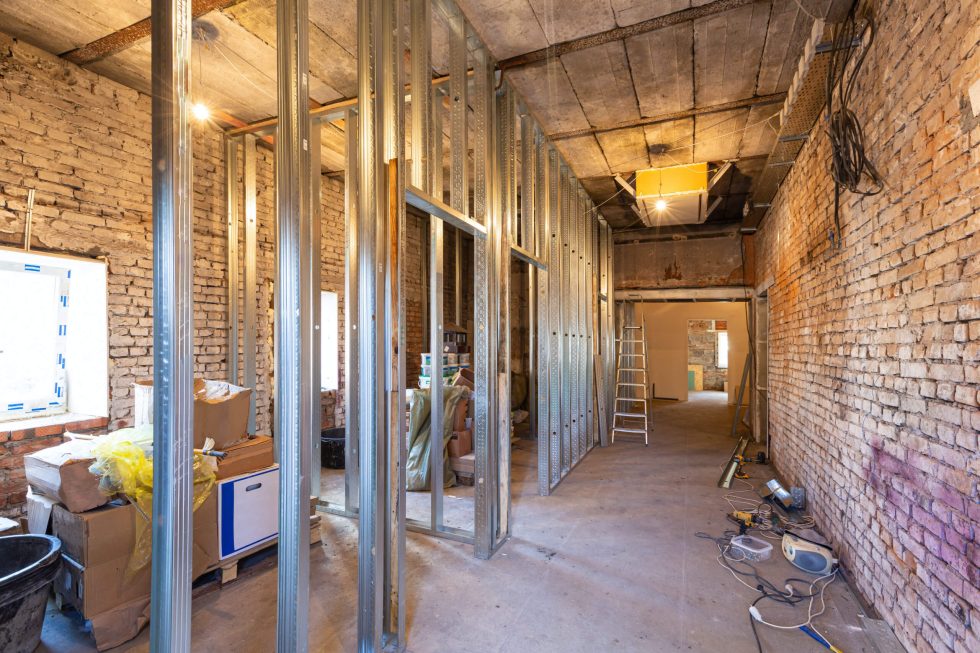
Local Demo Offers Precision, Planning, and a Strong Respect for the Jobsite
Commercial selective demolition clears the way for progress while protecting the parts of the property that still matter. It supports cleaner work areas, stronger dust control, safer conditions, and a more organized transition into the next phase of construction.
For commercial property owners, managers, tenants, and contractors, that control matters. Renovation projects often move on tight timelines and in spaces where disruption needs to be carefully managed. The demolition phase can either create problems or help prevent them.
When handled with care, it helps set the tone for a smoother project from the start.
At Local Demo, we approach commercial selective demolition with precision, planning, and a strong respect for the jobsite. From controlled interior removal to dust containment and surface protection, our team understands what it takes to support commercial renovation work effectively.
Frequently Asked Questions About Commercial Selective Demolition
What is commercial selective demolition?
Commercial selective demolition is the process of removing specific interior materials, systems, or non-structural components from a commercial building without tearing down the entire structure. It is often used during renovations, tenant improvements, and interior reconfigurations.
What is the difference between selective demolition and full demolition?
Selective demolition removes only the parts of a building that need to go, while full demolition involves tearing down the entire structure or a major portion of it. Selective demolition is commonly used when parts of the property need to remain intact during a renovation.
Why is selective demolition important for commercial interior renovations?
Selective demolition is important because it prepares the space for new construction while preserving the parts of the building that remain in place. It also supports better job-site organization, safer working conditions, and a smoother transition into the next phase of the renovation.
Why is dust control important in commercial demolition?
Dust control is important in commercial demolition because airborne dust can spread into surrounding areas, affect indoor air quality, disrupt nearby operations, and create extra cleanup issues. Proper containment helps keep the jobsite cleaner, safer, and more controlled.
How do contractors control dust during commercial interior demolition?
Contractors may control dust during commercial interior demolition by using containment barriers, zipper walls, plastic sheeting, negative air machines, HEPA filtration, and careful debris handling practices. These methods help reduce dust migration beyond the active work area.
Why is surface protection important during commercial demolition?
Surface protection is important because demolition traffic, debris, and material removal can damage nearby floors, hallways, elevators, doors, and finished surfaces. Protecting those areas helps reduce avoidable damage, cleanup, and disruption during the project.
Can commercial selective demolition be done in an occupied building?
Yes, commercial selective demolition can be performed in an occupied building. It requires careful planning, dust containment, surface protection, controlled access, and organized debris removal to help protect tenants, staff, customers, and nearby spaces.
What types of buildings need commercial selective demolition services?
Commercial selective demolition services are often needed for office buildings, retail spaces, restaurants, medical offices, schools, industrial buildings, apartment common areas, and other commercial properties undergoing renovation or reconfiguration.
What should I look for in a commercial selective demolition contractor?
You should look for a contractor with experience in commercial interior demolition, strong dust control and containment practices, attention to surface protection, organized jobsite management, and a professional approach to communication and project coordination.
Does Local Demo provide dust control and surface protection during demolition projects?
Yes. Local Demo emphasizes dust containment, surface protection, and a cleaner, more controlled demolition process to help protect the property and support a smoother renovation project.
Need a Commercial Selective Demolition Team That Works With Care?
If you are planning a commercial interior renovation, tenant improvement, or reconfiguration project, Local Demo is ready to help you start with a cleaner, more controlled demolition process.
We provide thoughtful interior demolition services, emphasizing precision, dust control, site protection, and professionalism from start to finish.
When the work needs to be done carefully, and the surrounding space needs to be respected, Local Demo brings the kind of focused approach commercial projects demand. Contact our team today to discuss your next commercial renovation project.
Get In Touch
Our Location
125 Central Avenue, Unit J Bozeman, MT 59718
Call Us
Phone: (406) 595-0227
E-mail Us
jscauzzo@jobsitesolutionsmt.com
Our Service Area
We Service the Following Counties