
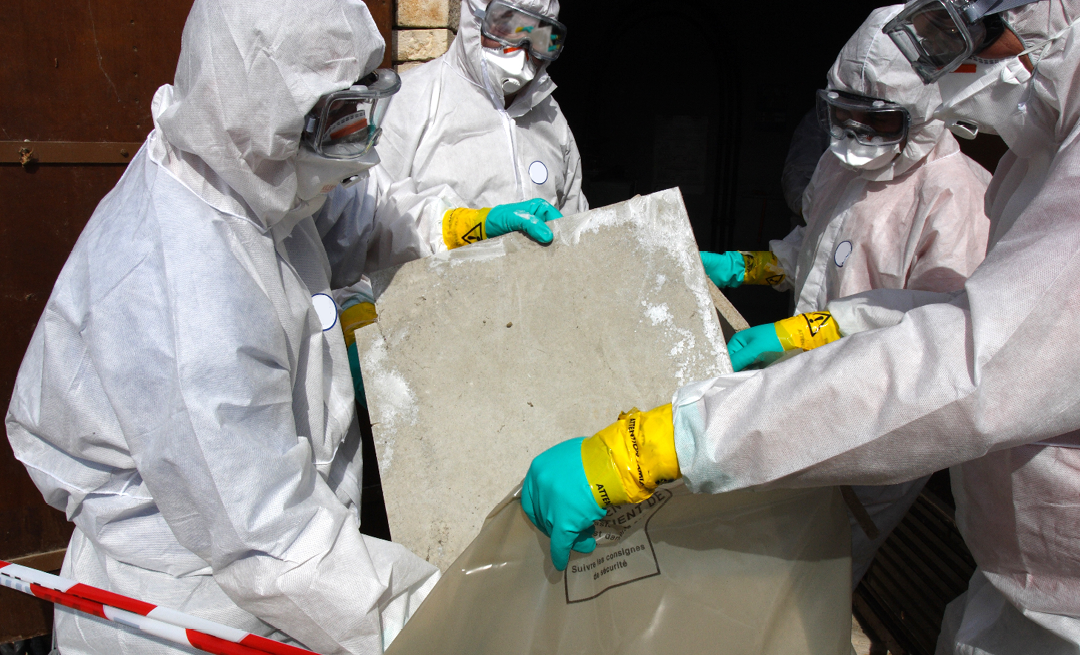
Renovation and demolition projects can be exciting because they create a fresh start. Old walls come down, outdated materials are removed, and the space begins moving toward something cleaner, safer, and more useful. But before the visible transformation begins, there may be hidden hazards that need to be addressed first.
In older homes, commercial buildings, rental properties, and industrial spaces, materials such as lead-based paint and asbestos may be present in areas you don’t immediately notice. These materials can be found in painted surfaces, flooring, adhesives, insulation, ceilings, siding, pipe wrap, and other building components.
When left alone, they may not always seem like an immediate concern. But when disturbed during demolition, scraping, sanding, cutting, or removal, they can create serious safety risks. That’s why lead paint abatement and asbestos abatement should never be treated like ordinary demolition work.
These are hazardous materials that require training, proper handling, containment, and compliance-focused procedures.
Local Demo is officially licensed and accredited with the state for lead-based paint and asbestos abatement. When your project involves materials you don’t want to mess with yourself, our team can handle the process safely and professionally, with one less thing for you to worry about.
What Are Lead Paint and Asbestos?
Lead-based paint and asbestos were once commonly used in construction materials. Many older buildings still contain one or both, especially if the property has not been fully renovated or properly inspected.
Lead-based paint was used in many older homes and buildings because of its durability. The problem is that when painted surfaces are disturbed, lead dust can be released. This can happen during demolition, sanding, scraping, cutting, or renovation work.
Lead dust is especially concerning because it can spread through a work area and settle on floors, surfaces, tools, clothing, and nearby rooms if the space is not properly contained.
Asbestos is a mineral fiber that was used in many building materials because it resisted heat, fire, and wear. It may be found in older insulation, flooring, ceiling materials, pipe wrap, adhesives, roofing products, siding, and other construction materials.
When asbestos-containing materials are disturbed, tiny fibers can become airborne. These fibers are not something you want floating around a home, business, or jobsite.
The biggest issue with both materials is disturbance. Demolition is designed to remove, cut, break, separate, and expose building materials. If lead paint or asbestos is present, that work needs to be approached with the right level of caution.
Why Hazardous Materials Should Be Addressed Before Demolition Begins
A successful demolition project starts long before the first wall comes down. It starts with understanding the materials present, the potential risks, and the work sequence. If hazardous materials are ignored, the entire project can become more complicated.
Lead paint and asbestos can affect how demolition is performed, how debris is contained, how workers are protected, how cleanup is completed, and how waste is handled.
Proper abatement helps:
- Reduce the risk of harmful dust or fibers spreading
- Protect workers, occupants, and nearby spaces
- Keep the jobsite cleaner and more controlled
- Prevent contamination of areas that are not part of the project
- Support compliance with safety and environmental requirements
- Prepare the space for the next phase of construction
- Reduce the chance of delays once demolition is underway
For homeowners, property managers, contractors, and business owners, this step matters. It helps keep the project safer and more organized from the beginning.
Why Lead Paint Removal Is Not a DIY Job
Lead paint removal may sound simple at first. Many people assume it is just a matter of scraping or sanding old paint away. Unfortunately, that is exactly where the danger begins. When lead-based paint is disturbed incorrectly, it can create fine dust that spreads quickly.
This dust can move beyond the immediate work area and settle into surrounding rooms, HVAC systems, furniture, flooring, and other surfaces. Regular sweeping, shop vacuums, or household cleaning methods are not enough to safely address lead contamination.
Even minimal exposure to lead-based paint in older buildings can harm those who are exposed regularly. Lead enters the bloodstream when lead paint chips are ingested or when lead paint dust is inhaled. Symptoms of lead poisoning include headaches, muscle pain, digestive problems, loss of memory, and attention disorders.
Long-term health problems from lead poisoning can include kidney damage, nervous system problems, learning disabilities in children, language and behavior delays, and birth defects.
This is why professional lead paint abatement requires the right training, containment, protective equipment, removal methods, and cleanup procedures. The goal is not just to remove the painted material but to control the work area to handle the hazard safely.
This is especially important during renovation and demolition projects, as the work can disturb multiple painted surfaces simultaneously. Trim, doors, cabinets, walls, windows, siding, stair components, and built-ins may all contain old layers of paint.
If those materials are removed without proper planning, the project can create a much bigger problem than expected. Local Demo’s licensed lead paint abatement services help property owners avoid that risk by making sure the work is handled with professional care from the start.
Why Asbestos Abatement Requires Licensed Professionals
Asbestos is another material that should never be handled casually. It can be difficult to identify without proper testing, and it may be hidden in materials that appear ordinary on the surface.
Possible asbestos-containing materials may include:
- Vinyl floor tiles
- Flooring adhesives and mastics
- Ceiling tiles
- Textured ceiling materials
- Pipe insulation
- Duct insulation
- Boiler and mechanical room materials
- Roofing products
- Siding materials
- Wallboard compounds
- Older insulation products
During demolition, these materials may be cut, broken, scraped, pulled apart, or removed. If asbestos fibers become airborne, they can create serious health and safety concerns.
Mishandling this material can release microscopic, hazardous fibers into the air, causing severe and fatal health issues. When asbestos-containing materials (ACM) are damaged, disturbed, or crumbled, they release fibers that, when inhaled, can lead to Asbestosis, a chronic lung disease, and lung cancer.
Professional asbestos abatement is not the same as standard demolition. It requires a controlled process, proper containment, specialized equipment, personal protective measures, careful removal, and proper disposal. It also requires an understanding of the compliance requirements for asbestos work.
Local Demo is licensed and accredited for asbestos abatement, giving property owners and contractors a safer way to address hazardous materials before demolition or renovation work continues.
Where Lead Paint and Asbestos May Be Found During a Project
One challenge with older buildings is that hazardous materials are not always obvious. A wall, floor, ceiling, or piece of trim may look completely normal, but the materials underneath may require special handling before demolition or renovation work begins.
Lead-based paint and asbestos are often hidden in the layers of a building. They may be covered by newer finishes, buried beneath flooring, wrapped around mechanical components, or built into materials that have been in place for decades.
That is why older homes, commercial buildings, apartments, and industrial spaces should be approached with caution before materials are disturbed.
Painted Surfaces
Lead-based paint may be found on older walls, doors, windows, trim, cabinets, stair railings, exterior siding, and other painted building components. Even if the top layer of paint is newer, older layers underneath may still contain lead.
This becomes especially important when demolition involves removing painted materials, cutting into walls, sanding surfaces, scraping old finishes, or pulling out doors, trim, cabinets, and built-ins. Once lead-based paint is disturbed, dust can spread beyond the immediate work area if the project is not handled correctly.
Flooring and Adhesives
Older flooring materials can also be a concern during demolition. Vinyl tiles, sheet flooring, underlayment, and flooring adhesives may contain asbestos, especially in older properties. In many projects, the full flooring system is not understood until removal begins.
There may be multiple layers of flooring, old adhesive beneath newer materials, or hidden underlayment that requires special care. That is why it’s important to identify potential hazards before aggressive floor removal, scraping, grinding, or demolition starts.
Ceilings and Wall Materials
Textured ceilings, ceiling tiles, plaster, drywall compounds, and similar materials should be evaluated before removal. Demolition can generate significant dust, so hazardous materials in these areas require careful handling.
This is particularly important when removing ceilings, opening walls, or preparing for remodeling. If hazardous materials are present, proper containment and abatement reduce the risk of dust or fibers spreading to adjacent areas.
Mechanical and Utility Areas
Older mechanical rooms, basements, crawl spaces, attics, and utility areas may contain asbestos around pipes, ducts, boilers, furnaces, and other equipment. Pipe wrap and insulation are particularly fragile and require careful handling.
These areas are often overlooked until work begins. Demolition, HVAC, plumbing, and utility access can disturb older materials.
Engaging a licensed team to evaluate and address these concerns beforehand helps protect the jobsite and personnel. Hazardous materials are not limited to the inside of a building. Lead-based paint may be present on exterior siding, trim, doors, windows, railings, and other painted surfaces.
Asbestos may also be found in older siding, roofing products, shingles, adhesives, and other exterior construction materials. Before exterior demolition or renovation, these materials should be included in the project plan. Proper planning ensures safe completion and protects workers, surrounding areas, and the property.
The Role of Aesbestos and Lead Paint Abatement in Selective Demolition
Selective demolition requires control, careful planning, precise execution, and a clear distinction between materials to be removed and those to be protected. When lead paint or asbestos is present, that level of control becomes even more important.
Local Demo frequently prepares spaces for remodels, renovations, repairs, and new construction. The demolition process must support subsequent phases. Improper handling of hazardous materials can cause delays and increase cleanup, safety, and compliance issues.
Proper lead paint and asbestos abatement keep the project on track by addressing hazards before general demolition. This approach protects the property, on-site workers, and subsequent trades. For contractors, this simplifies scheduling and coordination.
For homeowners and property owners, it offers peace of mind that qualified professionals are managing the risks.
How Local Demo Handles Hazardous Material Abatement
Lead paint and asbestos abatement require specialized training, licensing, thorough planning, and a strong safety focus. At Local Demo, our team applies a careful, professional process to all projects involving hazardous materials.
Project Review and Planning
Every project starts with understanding the scope of work. What materials need to be removed? What areas will be disturbed? Is the property older? Have hazardous materials already been identified?
Are there areas that require testing, inspection, or special handling before demolition begins? This planning stage helps determine the safest and most appropriate way to move forward.
Containment and Jobsite Preparation
Containment is a critical part of hazardous material abatement. The purpose is to help control the work area and reduce the risk of dust, debris, or fibers spreading into surrounding spaces.
Depending on the project, this may involve isolating the work area, protecting nearby surfaces, controlling access, and using appropriate equipment and safety measures.
Careful Removal by Licensed Professionals
Once the work area is prepared, hazardous materials are removed using professional procedures. This is not the time for shortcuts. Licensed and accredited professionals understand how to approach lead-based paint and asbestos-containing materials with the appropriate caution.
The goal is to remove the affected materials while maintaining control of the jobsite and reducing unnecessary exposure risks.
Cleanup and Control
Cleanup is one of the most important parts of the abatement process. Hazardous material work is not complete simply because the material has been removed. The area must be handled with attention to cleanliness, containment, and readiness for the next phase of the project.
Local Demo prioritizes a clean, controlled jobsite to support safety, protect property, and ensure smooth project progress.
Compliance Focused Service
Hazardous material abatement is regulated to ensure proper handling of lead paint and asbestos. Property owners should not have to navigate this process alone.
Local Demo’s licensed and accredited team manages hazardous materials with a focus on safety, compliance, and professionalism, relieving property owners of this responsibility.
Who Needs Lead Paint or Asbestos Abatement?
A wide range of property owners and professionals may need lead paint abatement or asbestos abatement before a project begins.
Local Demo can help:
- Homeowners planning renovations
- Property managers preparing rental units
- Commercial property owners are updating older buildings
- Contractors who need hazardous materials addressed before construction
- Real estate investors renovating older properties
- Businesses preparing for interior demolition
- Facilities with older flooring, ceilings, insulation, or painted surfaces
- Owners of older homes, apartments, offices, or industrial spaces
If a building is older or materials are unknown, evaluate potential hazards before starting demolition.
When Should You Call Local Demo?
Contact Local Demo before demolition begins. Disturbing materials beforehand can complicate the project.
You should reach out if:
- Your property is older
- You are planning demolition or renovation
- You are removing painted surfaces
- You are removing old flooring or adhesives
- You are disturbing the ceiling materials
- You are working near pipe wrap or older insulation
- You suspect lead paint or asbestos may be present
- A previous inspection identified hazardous materials
- You want the work handled by licensed professionals from the beginning
If you’re unsure whether lead-based paint or asbestos is present, consult our team before work begins. A brief discussion can help determine next steps and prevent unnecessary risks.
Licensed Abatement Gives Property Owners Peace of Mind
Demolition projects involve many decisions, including schedules, contractors, and budgets. Managing hazardous materials should not be an additional burden. Professional abatement safeguards occupants, workers, and future trades, helping create a safer environment in homes, rental properties, businesses, and commercial spaces.
Local Demo is officially licensed and accredited by the state for lead-based paint and asbestos abatement. We provide safe, compliant, and professional service, giving you peace of mind.
Got a project coming up?
From asbestos and lead paint abatement to mold remediation, selective demolition, and precision concrete cutting and coring, Local Demo delivers clean, code-compliant environments safely, efficiently, and professionally.
We can help you move forward safely and with confidence. Contact Local Demo today.
Frequently Asked Questions About Lead Paint and Asbestos Abatement
What is lead paint abatement?
Lead paint abatement is the professional process of addressing lead-based paint hazards to reduce exposure risks. This may involve containment, careful removal, cleanup, and other safety-focused steps depending on the project.
Because lead dust can spread when painted surfaces are disturbed, this work should be handled by trained and licensed professionals.
Why is asbestos dangerous during demolition?
Asbestos can become dangerous when materials containing asbestos are cut, broken, scraped, removed, or otherwise disturbed. During demolition, tiny asbestos fibers can become airborne, posing serious health and safety concerns.
That’s why licensed professionals should complete asbestos abatement before demolition continues.
How do I know if my property has lead paint or asbestos?
Older homes and commercial buildings are more likely to contain lead-based paint or asbestos materials. Lead paint may be found on walls, trim, doors, windows, cabinets, and exterior surfaces.
Asbestos may be found in flooring, adhesives, insulation, ceiling materials, pipe wrap, siding, roofing products, and other older building materials. If you are unsure, it is best to have the materials properly evaluated before starting demolition or renovation.
Can I remove lead paint or asbestos myself?
Lead paint and asbestos should not be treated like a typical DIY project. Disturbing these materials without proper training, containment, equipment, and cleanup can spread hazardous dust or fibers throughout the property.
Hiring a licensed lead paint abatement or asbestos abatement contractor helps ensure the work is handled safely and in compliance with applicable requirements.
Why should abatement happen before demolition starts?
Abatement should happen before demolition because demolition work can disturb hazardous materials and cause contamination to spread.
Addressing lead paint or asbestos first helps protect workers, occupants, surrounding spaces, and the overall project timeline. It also helps prepare the space for safer, cleaner, and more controlled selective demolition.
Is Local Demo licensed for lead paint and asbestos abatement?
Yes. Local Demo is officially licensed and accredited by the state for lead-based paint and asbestos abatement. That means their team can help property owners, contractors, and managers handle hazardous materials safely, professionally, and in compliance with regulations.
Who should call Local Demo for abatement services?
Homeowners, property managers, contractors, business owners, real estate investors, and commercial property owners should call Local Demo if they are planning a renovation or demolition project in an older building.
If the project may involve lead paint, asbestos, old flooring, painted surfaces, pipe insulation, ceiling materials, or unknown building materials, it is smart to reach out before work begins.
What should I do before starting demolition in an older building?
Before starting demolition in an older building, ensure potential hazardous materials are identified and handled properly. If you suspect lead-based paint or asbestos may be present, contact Local Demo before disturbing the materials. We can help you determine the next step and move forward with a safer, more controlled project.
Get In Touch
Our Location
125 Central Avenue, Unit J Bozeman, MT 59718
Call Us
Phone: (406) 595-0227
E-mail Us
jscauzzo@jobsitesolutionsmt.com
Our Service Area
We Service the Following Counties