
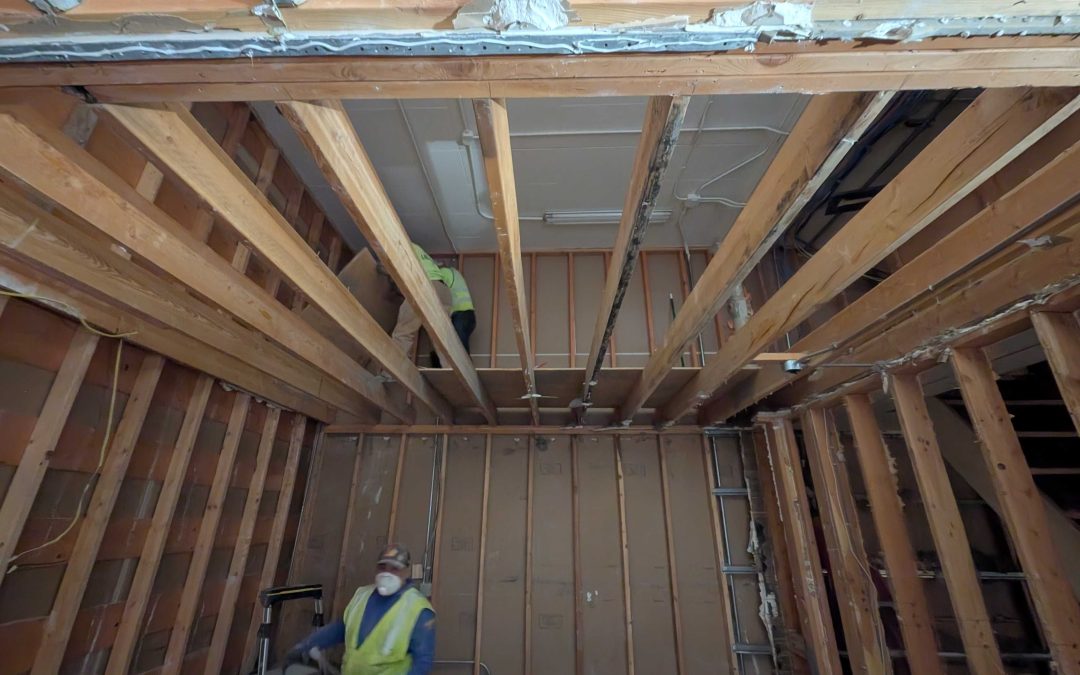
Mold Removal is More than Cleaning a Stain or Removing Visible Growth
Mold growth can create serious concerns for homeowners, property managers, contractors, and commercial building owners. Whether mold appears after a leak, flooding, poor ventilation, hidden moisture, or a renovation discovery, it should be handled carefully and correctly.
Mold is not always limited to what you can see on the surface. In many cases, mold is associated with a deeper moisture problem within walls, under flooring, above ceilings, in basements, or within other building materials.
That is why mold removal often requires more than wiping down a visible area. It may require containment, selective demolition, careful debris removal, and proper preparation before repairs can begin.
Local Demo provides mold remediation, selective demolition, containment, debris removal, and remediation support for residential and commercial properties.
Our team helps property owners and contractors safely remove affected materials, protect surrounding areas, and prepare the space for the next phase of repair, renovation, or restoration.
What Causes Mold Growth Inside a Property?
Mold needs moisture to grow. When building materials stay damp for too long, mold can begin to develop on surfaces and within porous materials. Sometimes the source is obvious, such as a plumbing leak or recent flooding.
Other times, the moisture problem may be hidden behind walls, under floors, or in areas with poor airflow.
Common causes of mold growth include:
- Water leaks
- Plumbing failures
- Roof leaks
- Basement moisture
- Crawl space moisture
- Flooding
- Poor ventilation
- High indoor humidity
- Condensation
- Wet drywall, insulation, or flooring
- Moisture trapped behind walls or cabinets
- Water damage discovered during remodeling
Mold is often a warning sign that moisture has entered a part of the building where it does not belong. Removing visible mold without correcting the moisture source can allow the problem to return.
Before cleanup begins, it is important to understand where the moisture originated, which materials were affected, and whether the area remains damp.
Why Mold Remediation Should Be Handled Professionally
Mold removal is not just about cleaning a stain or removing visible growth. When moldy materials are disturbed, spores, dust, and debris can spread into surrounding areas.
This is especially important during demolition, remodeling, or water damage cleanup, when walls, flooring, insulation, or ceiling materials may need to be removed.
Improper mold removal can create several problems:
- Contaminated dust can spread outside the work area
- Hidden mold may be missed
- Porous materials may remain contaminated
- Moisture problems may go unresolved
- Unaffected rooms may be exposed to debris
- Repairs may be completed on damaged materials
- The mold problem may return later
Many mold projects require a controlled approach. The work area may need to be isolated, surrounding spaces may need protection, and affected materials may need to be carefully removed before repairs can proceed.
This is where Local Demo’s experience with containment, selective demolition, and debris removal becomes especially important. When mold has affected building materials, the removal process should be organized, controlled, and focused on preparing the property for a cleaner and safer rebuild.
Signs You May Need Professional Mold Removal Services
Mold is not always easy to identify at first. Sometimes it appears as visible growth on walls, ceilings, flooring, or other surfaces. Other times, the first sign is a musty odor, a water stain, or softening of the building materials.
You may need mold removal services if you notice:
- Visible mold growth
- Musty odors
- Water stains on walls or ceilings
- Recent flooding or water intrusion
- Soft, swollen, or crumbling drywall
- Peeling paint or bubbling surfaces
- Damp basement or crawl space conditions
- Mold around windows, vents, or plumbing areas
- Mold discovered during remodeling or demolition
- Persistent moisture in building materials
- Recurring mold after cleaning
Visible mold may only be part of the problem. If moisture has reached drywall, insulation, flooring, cabinets, or wall cavities, additional materials may be affected behind the surface. A professional assessment can help determine the extent of the damage and what needs to be removed.
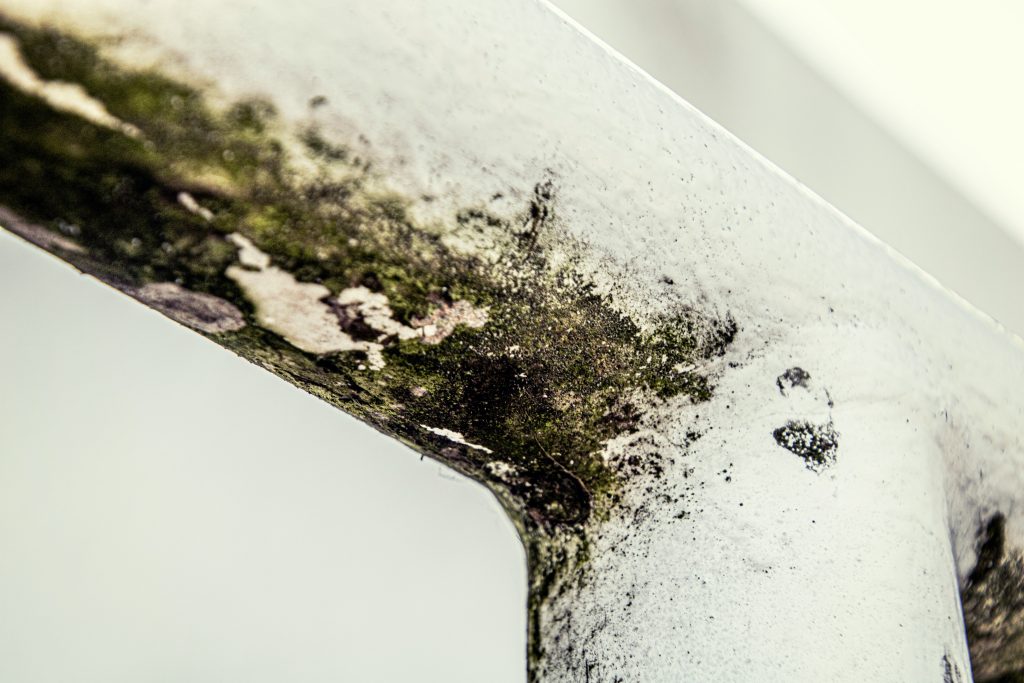
Mold Removal vs. Mold Cleaning
Mold cleaning and mold removal are often used interchangeably, but they are not always the same thing.
- Mold cleaning usually refers to cleaning mold from hard, nonporous surfaces. This may include surfaces such as tile, metal, glass, or sealed materials where mold is sitting on the surface and has not penetrated the material.
- Mold removal is often more involved. It may include removing mold-damaged building materials that cannot be fully cleaned. Porous materials such as drywall, insulation, carpet, padding, ceiling tiles, and some wood products can absorb moisture, creating conditions for mold to grow beneath the surface.
- Mold remediation is a broader term that may include containment, material removal, cleaning, drying, disposal, and addressing the conditions that allowed mold to grow in the first place.
For property owners, the main point is this: surface cleaning may not be enough when mold has affected building materials. If the material is damaged, porous, or holding moisture, removal may be the most practical and responsible option.
Why Moisture Control Comes First
Mold remediation should begin with one important question: where did the moisture come from?
If the moisture source is not corrected, mold can return even after cleanup. That is why leaks, drainage issues, condensation, humidity, and ventilation problems should be addressed before rebuilding or refinishing the space.
Common moisture sources may include:
- Leaking pipes
- Roof damage
- Window leaks
- Foundation seepage
- Poor exterior drainage
- Crawl space moisture
- Bathroom ventilation issues
- HVAC or condensation problems
- Flooding or stormwater intrusion
- Appliance leaks
Depending on the cause, property owners may need help from a plumber, roofer, HVAC contractor, waterproofing contractor, or other specialist. Local Demo’s role is often to remove the affected materials, contain the work area, clear the debris, and prepare the space so the underlying problem can be repaired properly.
Rebuilding over damp or mold-damaged materials can create bigger problems later. A clean, dry, properly prepared area provides a better foundation for the next phase of work.
The Mold Remediation Process
Every mold removal project is different. The scope depends on the size of the affected area, the type of materials involved, the source of moisture, and whether demolition is required. However, most mold removal projects follow a similar process.
1. Inspection and Assessment:
The first step is to understand which areas are affected. This may include visible mold, water-damaged materials, damp surfaces, or signs of hidden moisture.
During the assessment, the team may evaluate:
- Walls
- Ceilings
- Flooring
- Baseboards
- Cabinet areas
- Basements
- Crawl spaces
- Utility rooms
- Areas around plumbing
- Spaces affected by leaks or flooding
- Areas opened during renovation or demolition
The goal is to determine which materials may need to be removed, how to protect the work area, and the steps needed before cleanup begins.
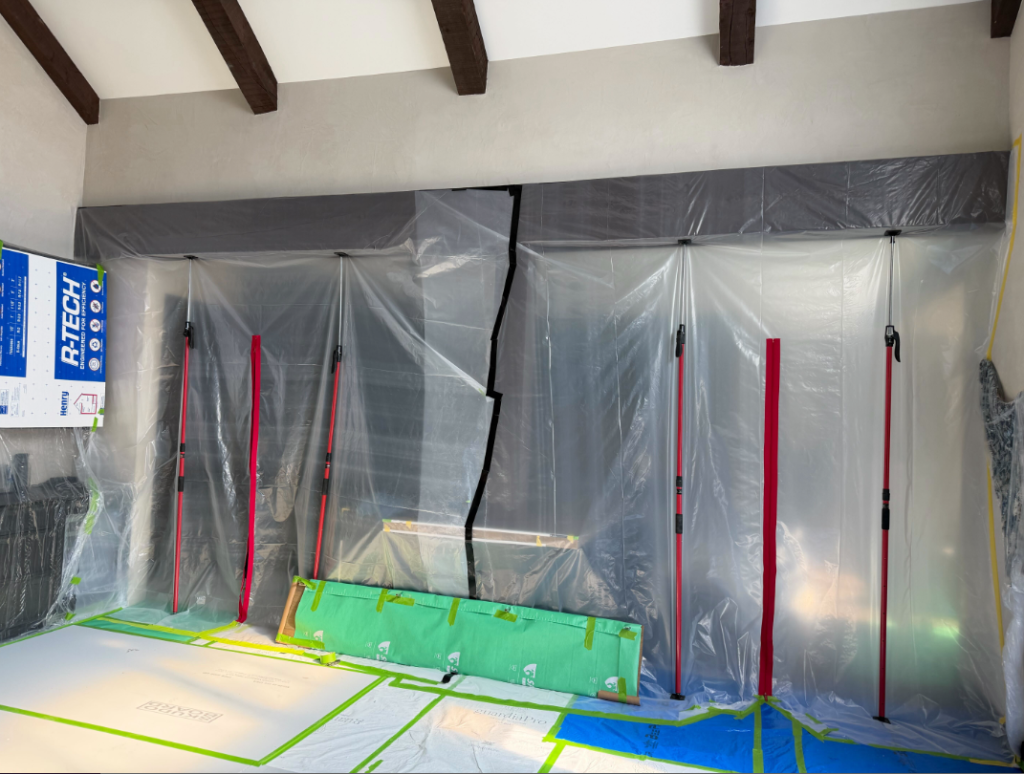
2. Containment and Work Area Protection:
Containment helps limit the spread of dust, debris, and mold contamination during removal. This is especially important when demolition is involved.
Containment and protection may include:
- Isolating the work area
- Protecting unaffected rooms
- Using barriers where appropriate
- Controlling access in and out of the work zone
- Reducing dust movement
- Protecting nearby finishes and surfaces
- Keeping debris organized and contained
The purpose of containment is to help keep the project controlled. Mold removal can involve cutting, pulling, removing, and hauling damaged materials. Without a plan, that work can create an unnecessary mess and spread contamination into areas that were not originally affected.
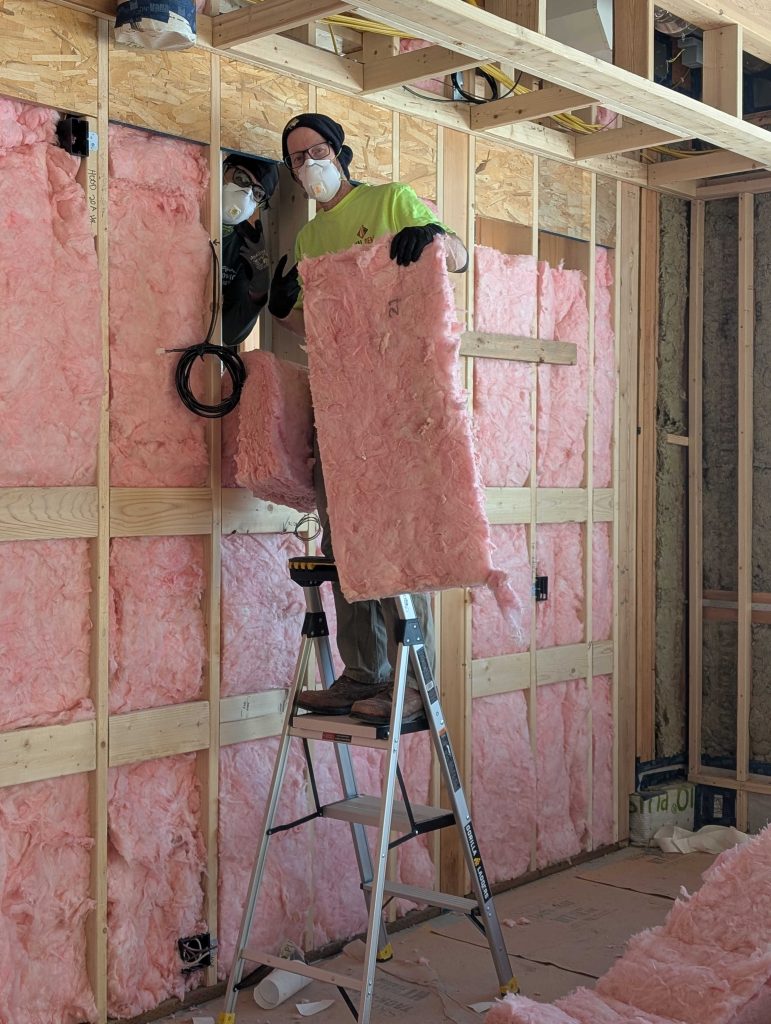
3. Safe Mold Removal of Affected Materials:
When mold has grown into porous or damaged building materials, those materials may need to be removed. This is where selective demolition becomes an important part of the mold removal process.
Materials that may need removal include:
- Drywall
- Insulation
- Carpet
- Carpet padding
- Baseboards
- Trim
- Ceiling tiles
- Cabinet materials
- Subfloor materials
- Damaged wood components
- Other contaminated building materials
Selective demolition allows affected materials to be removed while preserving surrounding areas whenever possible. Instead of tearing out more than necessary, the goal is to remove the damaged material, protect what can remain, and prepare the area for repair.
Local Demo’s demolition experience is especially valuable in these situations. Mold removal is often not a simple cleaning job. It may require careful cutting, controlled material removal, dust control, and debris handling.
4. Debris Handling and Disposal:
Once affected materials are removed, they need to be handled properly. Mold-damaged debris should not be dragged through the property or left exposed in common areas.
Proper debris handling can include:
- Containing removed materials
- Bagging or wrapping debris when appropriate
- Limiting dust during removal
- Clearing waste from the work area
- Removing debris from the property
- Keeping the site organized
- Preparing the space for repairs
A clean, organized work area helps the next contractor, restoration team, or repair crew move forward more efficiently. It also reduces the chance of contaminated materials being left behind.
5. Cleaning and Final Preparation:
After damaged materials are removed, the remaining area may need additional cleaning, drying, or preparation. Depending on the project, this may include surface cleaning, HEPA vacuuming, drying equipment, or further evaluation before repairs begin.
The goal is to leave the space ready for the next step. That may mean plumbing repair, framing repair, insulation replacement, drywall installation, flooring replacement, or a larger renovation. Local Demo can help bridge the gap between discovery and repair by removing affected materials and preparing the area for the work that follows.
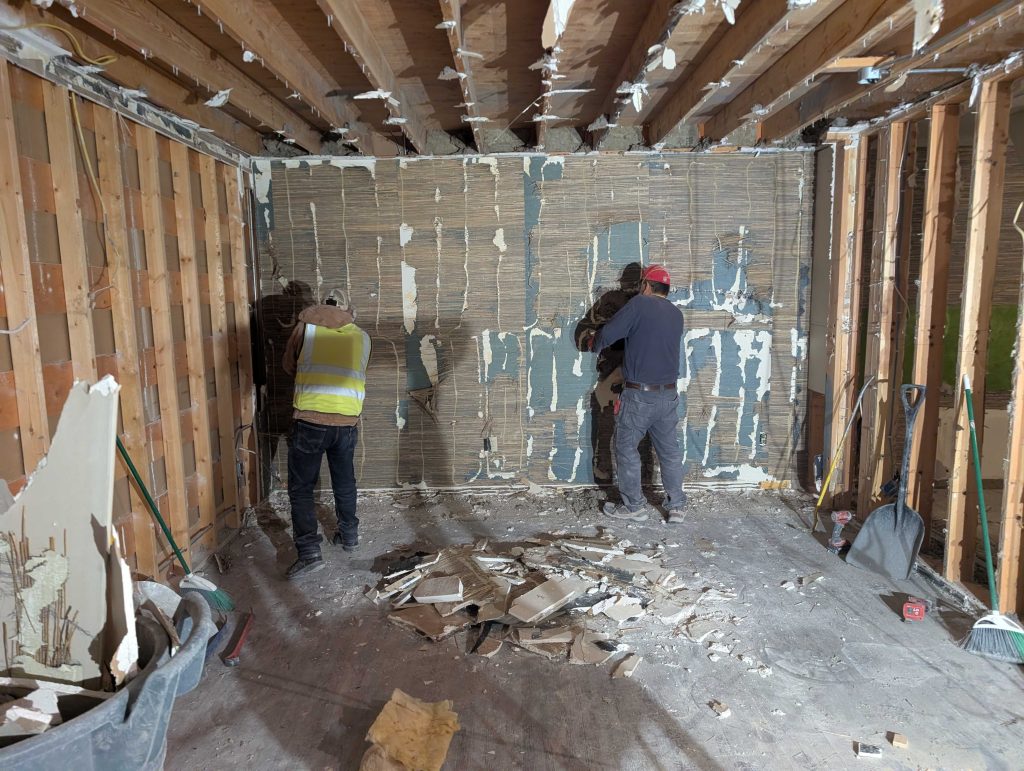
Mold Remediation During Remodeling or Demolition Projects
Mold is often discovered during remodeling. A property owner may start a bathroom renovation, kitchen update, basement project, or flooring replacement only to find hidden water damage behind finished materials.
This can happen during:
- Bathroom remodels
- Kitchen remodels
- Basement renovations
- Flooring removal
- Cabinet removal
- Ceiling repairs
- Wall demolition
- Window and door repairs
- Rental property turnovers
- Insurance-related repairs
- Commercial buildouts
When mold is discovered mid-project, it is important not to ignore it or simply cover it back up. Work may need to pause while the affected area is assessed and removed properly.
For general contractors, Local Demo can provide valuable support. Our team can help remove mold-damaged materials, contain the work zone, handle debris, and keep the project moving toward the repair phase.
Mold in Basements, Crawl Spaces, and Utility Areas
Basements, crawl spaces, and utility areas are common places for mold problems because they are more likely to experience moisture, poor airflow, condensation, or water intrusion.
Mold in these areas may affect:
- Drywall
- Insulation
- Framing
- Subfloor materials
- Stored items
- Utility room walls
- Basement finishes
- Crawl space materials
- Flooring and trim
Basement and crawl space mold may be connected to drainage issues, foundation seepage, plumbing leaks, high humidity, or poor ventilation. In Montana, seasonal moisture, snowmelt, freeze-thaw cycles, and changing weather conditions can also contribute to damp conditions in vulnerable areas.
When mold affects finished basement materials or crawl space components, removal may require selective demolition and careful debris handling. Local Demo can help remove damaged materials and prepare the area for moisture correction, repairs, or rebuild work.
Mold After Water Damage or Flooding
Water damage can quickly create conditions for mold growth, especially when materials remain wet. Even after visible water has been removed, moisture may remain inside walls, under flooring, behind cabinets, or within insulation.
Common water damage situations include:
- Pipe bursts
- Appliance leaks
- Roof leaks
- Basement flooding
- Stormwater intrusion
- Sump pump failures
- Water heater leaks
- Sewage or contaminated water events
The type of water damage can affect the cleanup approach. Clean water from a broken pipe is different from water that has passed through soil, drains, or sewage systems. In contaminated water situations, additional precautions may be needed.
After water damage, fast action matters. Wet materials should be dried or removed, the moisture source corrected, and affected areas evaluated before repairs begin.
If mold has developed, Local Demo can help remove damaged building materials and prepare the property for restoration.
Why DIY Mold Removal Can Be Risky
Some small surface mold issues on hard, nonporous materials may be manageable for a property owner. However, larger mold problems, hidden mold, and mold involving building materials are different.
DIY mold removal can be risky because it may:
- Spread spores and dust during demolition
- Miss hidden moisture
- Leave contaminated materials behind
- Disturb mold without containment
- Use improper cleaning methods
- Create chemical safety concerns
- Fail to remove porous materials that cannot be cleaned
- Allow mold to return after repairs
- Exposes occupants or workers to unnecessary contamination
One common mistake is treating mold as a surface issue only. If mold has affected drywall, insulation, carpet, flooring, or other porous materials, cleaning the visible surface may not solve the problem.
Another mistake is rebuilding too quickly before the area is dry and the moisture source has been corrected. When demolition is needed, professional support can help keep the work more controlled and organized.
When to Call a Mold Remediation Specialist
A professional should be contacted when mold affects more than a small surface area, when materials are damaged, or when the source of moisture is unclear.
You should consider professional mold removal when:
- Mold covers a larger area
- Mold is inside walls, ceilings, flooring, or insulation
- There was significant water damage
- The property has a recurring moisture problem
- Mold appears during renovation or demolition
- Occupants have health concerns
- The building is commercial, rental, or multi-unit
- Containment is needed
- The project involves demolition or debris removal
- You are unsure how far the damage extends
For contractors and property managers, calling in a professional team can also help prevent delays. If mold is discovered during a project, Local Demo can assist with targeted removal so repairs and renovations can continue with a cleaner, better-prepared work area.
Mold Removal Support and Contaminated Material Removal
Local Demo provides practical mold removal support for properties that need contaminated or water-damaged materials removed. Our work is especially helpful when mold removal involves demolition, containment, debris handling, and preparation
Local Demo can assist with:
- Mold removal support
- Selective demolition
- Containment and work area protection
- Removal of affected building materials
- Drywall and insulation removal
- Flooring and trim removal
- Debris removal and disposal
- Surface and area preparation
- Support for homeowners and property managers
- Support for general contractors and restoration teams
- Preparation for repair, renovation, or rebuild work
Our team understands that mold removal often happens during stressful situations. Property owners may be dealing with water damage, unexpected renovation issues, insurance-related repairs, or concerns about the building’s condition.
We help bring structure to the process by removing damaged materials, protecting the work area, and clearing the way for the next phase.
Mold Removal for Contractors and Property Managers
Mold removal is not only a homeowner’s concern. Contractors and property managers often need fast, reliable support when mold is discovered during maintenance, turnover, remodeling, or restoration work.
Common project needs include:
- Removing mold-damaged drywall before repairs
- Preparing a rental unit for renovation
- Removing contaminated materials after a leak
- Supporting insurance-related cleanup
- Helping keep remodel projects moving
- Clearing damaged materials from basements or utility areas
- Preparing commercial spaces for repair or buildout
For contractors, Local Demo can help with the removal phase, allowing other trades to move forward. For property managers, our team can help address affected areas in a controlled, organized way.
Preventing Mold From Returning
Mold prevention starts with moisture control. Once mold-damaged materials have been removed, the next priority is preventing the same conditions from coming back.
Helpful prevention steps include:
- Fix leaks quickly
- Improve ventilation
- Control indoor humidity
- Keep basements and crawl spaces dry
- Address exterior drainage issues
- Dry wet materials as quickly as possible
- Inspect after storms or snowmelt
- Maintain roofing, gutters, and plumbing
- Avoid rebuilding over damp materials
- Use proper materials in moisture-prone areas
Mold removal can address affected materials, but long-term prevention depends on controlling moisture. If the original cause is not corrected, mold may return even after cleanup.
Schedule Remediation and Abatement Services With Local Demo
If you have discovered mold, water-damaged materials, asbestos-containing materials, lead paint, or hidden moisture during a renovation, Local Demo can help. Our team provides mold removal support, selective demolition, containment, asbestos abatement, lead paint abatement, debris removal, and site preparation for residential and commercial properties.
Whether mold was found after a leak, during a remodel, in a basement, behind drywall, or within damaged building materials, it is important to address the problem before repairs proceed. In older properties, asbestos or lead paint may also need to be handled properly before demolition, repair, or rebuild work can move forward.
Contact Local Demo to schedule mold remediation support, containment, cleanup, abatement, and debris removal services. We can help remove affected materials, protect the work area, and prepare the space for the next step.
Frequently Asked Questions about Mold Removal
What is the difference between mold removal and mold remediation?
Mold removal typically involves removing visible mold and affected materials. Mold remediation is a broader process that may include containment, removal, cleaning, drying, disposal, and addressing the conditions that allowed mold to grow.
Can mold be removed from drywall?
In many cases, mold-damaged drywall needs to be removed, especially if mold has grown into the material or the drywall has been wet for an extended period. Drywall is porous and can hold moisture beneath the surface.
Do I need to remove mold before remodeling?
Yes. Mold should be addressed before new materials are installed. Covering mold with new drywall, flooring, cabinets, or finishes can trap the problem and allow it to continue spreading behind finished surfaces.
What causes mold to come back after cleaning?
Mold often returns when the underlying moisture problem has not been corrected. Leaks, humidity, condensation, poor ventilation, or damp building materials can allow mold to grow again.
Is mold removal dangerous?
Mold removal can create exposure and contamination risks if materials are disturbed without proper precautions. Larger mold problems, hidden mold, and mold involving demolition should be handled carefully with appropriate containment and protection.
Does Local Demo handle demolition for mold-damaged materials?
Yes. Local Demo can assist with selective demolition, containment, removal of affected building materials, and debris removal when mold or water damage has impacted parts of a property.
What types of materials may need to be removed during mold removal?
Common materials include drywall, insulation, carpet, padding, baseboards, ceiling tiles, cabinets, flooring materials, and other porous or water-damaged materials. The exact scope depends on the extent of mold growth and moisture damage.
Does mold removal fix the moisture problem?
Mold removal addresses affected materials, but the source of moisture must also be repaired. Depending on the issue, this may require plumbing repair, roof repair, drainage improvements, HVAC adjustments, waterproofing, or other building repairs.
Get In Touch
Our Location
125 Central Avenue, Unit J Bozeman, MT 59718
Call Us
Phone: (406) 595-0227
E-mail Us
jscauzzo@jobsitesolutionsmt.com
Our Service Area
We Service the Following Counties