

Before new drywall can be installed, existing materials must be carefully removed. In many homes, existing drywall and insulation conceal far more than just studs and wiring. They may be hiding water damage, mold growth, outdated insulation, pest activity, or years of wear that compromise both safety and energy efficiency.
Opening up walls is often the first critical step in any renovation. However, drywall removal is not as simple as grabbing a hammer and swinging until something gives. Behind every surface are electrical lines, plumbing systems, structural components, and airflow pathways that must be protected.
Improper removal can spread dust and contaminants throughout the home, damage essential systems, and turn a straightforward upgrade into a costly repair project.
At Local Demo, we approach drywall removal with a focus on safety, cleanliness, and precision. Through controlled processes, professional containment, and experienced technicians, we prepare your space for the next phase of remodeling while protecting your structure, maintaining indoor air quality, and minimizing disruption to your daily life.
In this article, you will learn about:
- Why Drywall Often Needs to Be Removed
- The Risks of DIY Drywall Removal
- Local Demo’s Professional Drywall Removal Process
- When You Should Call a Professional
- Why Homeowners and Contractors Trust Local Demo
- Frequently Asked Questions About Drywall Removal
Why Drywall Often Needs to Be Removed
Drywall and insulation are designed to last, but they are not immune to damage or aging. Over time, many homes develop hidden issues that make removal necessary before renovation can begin.
Common reasons for drywall and insulation Removal include:
- Water damage and leaks from plumbing failures, roof issues, or flooding
- Mold and moisture problems caused by trapped humidity
- Outdated or inefficient insulation that no longer meets energy standards
- Layout changes during remodeling projects
- Fire or smoke damage
- Pest contamination and nesting
In many cases, these problems are not visible from the surface. What appears to be a simple cosmetic upgrade may reveal serious concerns once the walls are opened. Proper removal allows homeowners to address these issues early, rather than covering them up and dealing with larger problems later.
The Risks of DIY Drywall Removal
Online tutorials often make demolition look simple. In reality, improper removal of drywall and insulation can create serious safety hazards, health risks, and long-term damage to your home.
Common risks of DIY demolition include:
- Accidental damage to electrical wiring and plumbing
- Uncontrolled dust and debris are spreading throughout the home
- Exposure to mold, insulation fibers, and hidden contaminants
- Structural damage to framing and support systems
- Improper handling and disposal of heavy debris
- Extended project timelines and unexpected repair costs
Without professional containment and specialized tools, demolition dust and insulation particles can easily spread through HVAC systems, furniture, and living spaces. What may begin as a weekend project often turns into weeks of cleanup, repairs, and air quality concerns.
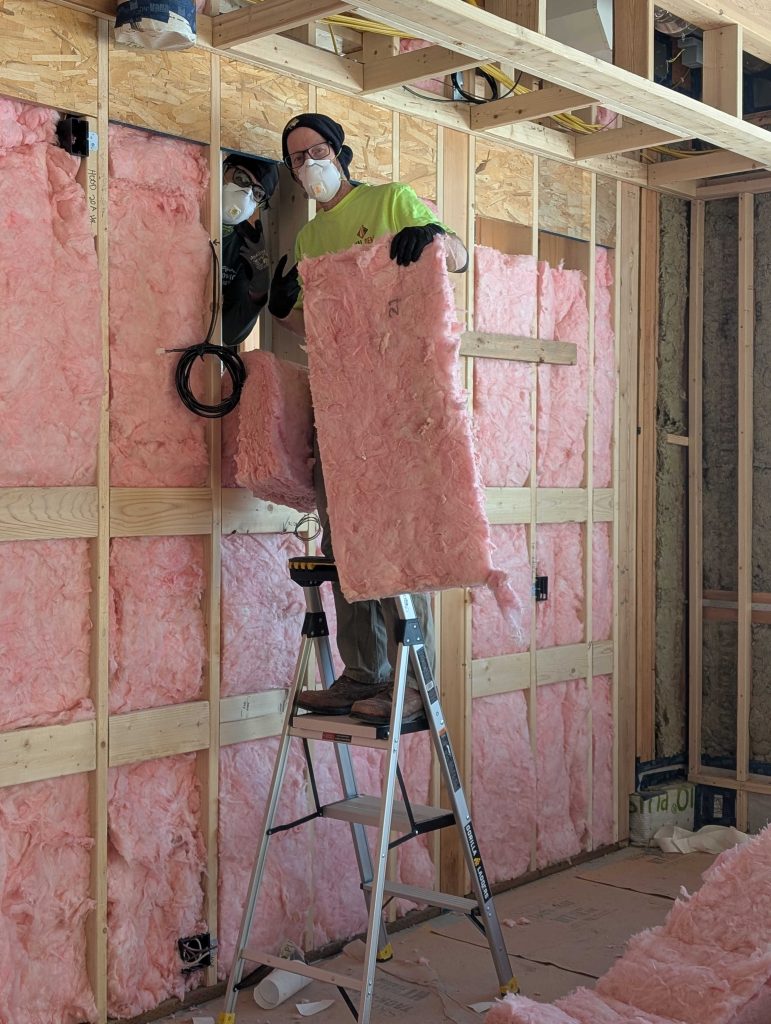
In addition to physical damage, exposure to insulation poses significant health risks when disturbed. Many homeowners are unaware that old insulation can release fine fibers, allergens, and trapped pollutants into the air during removal.
Common symptoms of insulation exposure can include:
- Skin irritation such as itching, redness, rashes, or burning sensations
- Eye irritation, including watering, redness, and discomfort
Nose and throat irritation, such as coughing, sneezing, or soreness - Respiratory symptoms, including wheezing, shortness of breath, or aggravated asthma
In older homes, insulation may also contain mold spores, dust buildup, and environmental contaminants that have accumulated over time. Once airborne, these particles can trigger allergic reactions, breathing difficulties, and prolonged discomfort. In rare cases, individuals may experience headaches, nausea, or increased sensitivity to odors when working around disturbed insulation materials.
Professional demolition crews use protective equipment, proper ventilation systems, and controlled containment methods to minimize these risks. This ensures harmful particles remain isolated and indoor air quality stays protected throughout the project. For occupied homes, commercial spaces, and larger renovations, professional drywall and insulation removal remains the safest and most efficient option.
Local Demo’s Professional Drywall Removal Process
At Local Demo, drywall and insulation removal is never rushed or improvised. Every project is handled through a structured, carefully managed process designed to protect your home, preserve its structural integrity, and prepare the space for a smooth renovation. From initial inspection to final cleanup, our team follows proven procedures that prioritize safety, cleanliness, and precision at every stage.
Assessment and Safety Planning
Every successful demolition project begins with a thorough evaluation of the space. Before any materials are removed, our team conducts a detailed inspection to identify potential risks and hidden issues.
We evaluate:
- Signs of water damage or mold
- Age and condition of materials
- Potential hazardous substances
- Electrical and plumbing locations
- Structural conditions
This assessment allows us to anticipate challenges, prevent costly mistakes, and develop a customized removal plan. By addressing safety concerns up front, we reduce risk and ensure the project moves forward efficiently and responsibly.
Containment and Preparation
Proper containment is essential to protect indoor air quality and maintain a clean job site. Before demolition begins, we carefully prepare the workspace to prevent dust, debris, and insulation particles from spreading throughout the property.
Our preparation process includes:
- Sealing work areas with 4 to 6 mil plastic sheeting
- Installing temporary barriers and zipper walls
- Using air scrubbers and negative air systems
- Protecting floors and nearby surfaces
These containment measures create a controlled environment where demolition can take place safely. As a result, surrounding rooms remain protected, and homeowners avoid unnecessary cleanup and disruption.
Precision Removal Techniques
Effective demolition is about control, not force. Rather than randomly breaking materials apart, our technicians use precise removal techniques that preserve surrounding structures and reduce unnecessary damage.
Our demo crew:
- Score seams and joints with utility knives
- Cuts through joint compound for clean separation
- Removes panels in manageable sections
- Uses hand tools near utilities
- Avoids unnecessary structural disturbance
This careful approach protects framing, wiring, and plumbing while creating clean, even surfaces for rebuilding. It also reduces repair costs and helps ensure the next phase of construction proceeds smoothly.
Inspection After Removal
Once drywall and insulation are removed, the exposed interior becomes fully visible. This is a critical opportunity to identify hidden problems that may have been contributing to damage or inefficiency.
We inspect for:
- Hidden mold growth
- Moisture intrusion
- Pest activity
- Framing damage
- Insulation gaps
By identifying and addressing these issues early, we help homeowners avoid future repairs and unexpected expenses. This step protects the property’s long-term integrity and strengthens the overall renovation outcome.
Debris Removal and Disposal
Demolition produces heavy, bulky debris that can be difficult and time-consuming to manage. At Local Demo, cleanup and disposal are fully integrated into our service, ensuring a professional finish to every project.
Our demo crew:
- Bag debris in durable contractor-grade bags
- Removes all waste from the site
- Follows local disposal regulations
- Leaves the workspace clean and ready for rebuilding
When the job is complete, you are not left with piles of debris, damaged surfaces, or multiple trips to the landfill. Instead, your space is clean, organized, and prepared for the next phase of your renovation.
When You Should Call a Professional for Drywall Removal?
While small cosmetic projects may allow limited DIY work, drywall demolition often involves risks best handled by trained professionals. When walls are opened or insulation disturbed, hidden hazards, structural concerns, and air quality issues can quickly arise.
Professional demolition is strongly recommended for:
- Full-room renovations
- Mold remediation projects
- Older homes
- Commercial properties
- Occupied living spaces
- Time-sensitive remodels
- Projects involving insulation replacement
These types of projects require careful planning, specialized equipment, and strict safety controls. Attempting them without proper experience can lead to costly mistakes, project delays, and potential health concerns.
If your renovation involves opening multiple walls, removing insulation, or working around active living or business areas, professional removal protects both your property and your health while keeping your project on schedule.
Why Homeowners and Contractors Trust Local Demo
Choosing the right demolition partner is about more than just removing materials. It is about working with a team that respects your property, understands the construction process, and takes responsibility for every phase of the job. Local Demo specializes in clean, controlled, and professional demolition services for both residential and commercial clients. Our approach is built on experience, precision, and accountability.
Our clients choose us because we deliver:
- Experienced, trained demolition teams
- Clean and organized job sites
- Safety-first procedures
- Transparent communication
- Reliable scheduling
- Seamless preparation for reconstruction
We coordinate closely with homeowners, contractors, and project managers to ensure every stage of demolition supports the overall renovation plan. At Local Demo, we do not cut corners. We prepare your space the right way, so the next phase of your project starts on solid ground, without surprises, setbacks, or unnecessary repairs.
Frequently Asked Questions About Professional Drywall Removal
1. Do I need to remove old drywall before installing new drywall?
In most renovation projects, existing drywall should be removed if it is damaged, moldy, outdated, or uneven. Installing new drywall over compromised surfaces can trap moisture, hide structural issues, and reduce the lifespan of the new materials. Professional removal ensures a clean, stable foundation for rebuilding.
2. Is it safe to remove drywall and insulation myself?
Small cosmetic projects may allow limited DIY work, but larger removals often involve hidden wiring, plumbing, dust, and insulation fibers. Without proper containment and protective equipment, DIY removal can create safety and health risks. Professional services are recommended for most full-room and multi-wall projects.
3. How long does drywall removal take?
Project timelines vary based on room size, material condition, and site access. Small projects may take one day, while larger renovations can take several days. A professional assessment provides a more accurate timeline and helps prevent delays.
4. Will demolition create a lot of dust in my home?
Drywall and insulation removal naturally produces dust and debris. Professional crews use containment systems, plastic barriers, air scrubbers, and negative air machines to control airborne particles and protect indoor air quality throughout the project.
5. What health risks are associated with old insulation?
Disturbed insulation can release fibers, allergens, and trapped contaminants into the air. Common symptoms include skin irritation, coughing, and respiratory discomfort. In older homes, insulation may also contain mold or environmental pollutants. Professional handling minimizes exposure and health risks.
6. Do you remove moldy or water-damaged materials?
Yes. Local Demo safely removes drywall and insulation affected by moisture, leaks, or mold. Our team follows controlled procedures to prevent cross-contamination and prepares the space for proper remediation and repairs.
7. What happens to the debris after removal?
All drywall and insulation debris is bagged, hauled away, and disposed of in accordance with local regulations. Homeowners are not responsible for cleanup or transport to the landfill when working with Local Demo.
8. How do I know if my project requires professional demolition?
If your project involves multiple walls, insulation replacement, mold concerns, older construction, occupied spaces, or tight timelines, professional demolition is strongly recommended. A consultation with Local Demo can help determine the safest and most efficient approach.
Start Your Renovation the Right Way with Local Demo
Removing drywall is the foundation of a successful renovation. When done properly, it reveals hidden issues, protects your structure, and creates a clean surface for rebuilding. If you are planning a remodel, repair, or renovation, Local Demo is ready to help.
Contact our team today to schedule a professional assessment and learn how safe, clean, and precise demolition can make all the difference.
Get In Touch
Our Location
125 Central Avenue, Unit J Bozeman, MT 59718
Call Us
Phone: (406) 595-0227
E-mail Us
jscauzzo@jobsitesolutionsmt.com
Our Service Area
We Service the Following Counties