
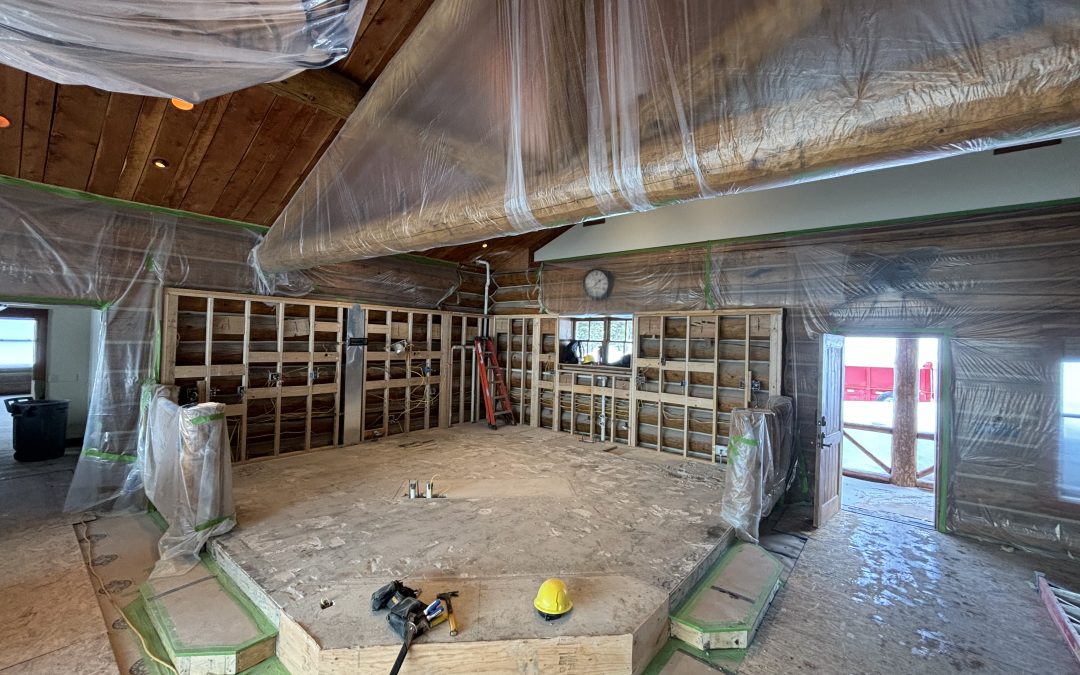
Renovation projects often begin with detailed plans, established budgets, material selections, and carefully coordinated schedules. On paper, everyone knows what needs to come out and what will take its place.
Then demolition begins. Once walls are opened, ceilings come down, flooring is removed, or concrete is cut, the building can start telling a very different story. Existing buildings, especially older structures or properties that have been renovated multiple times, can hide conditions that aren’t visible during an initial walkthrough.
Undocumented utilities, hazardous building materials, moisture damage, structural modifications, and layers of previous construction may all be concealed behind finished surfaces. These discoveries don’t necessarily have to derail a renovation. The bigger problem is encountering them without the right preparation, communication, or expertise to respond.
Professional demolition is about much more than removing what needs to go. It is about carefully exposing existing conditions, protecting what needs to remain, recognizing potential problems, and preparing the site for the contractors who come next.
Here are seven hidden conditions that can change the course of a renovation once demolition gets underway.
1. Hidden or Undocumented Utilities
One of the biggest concerns during selective demolition is encountering utilities where they were not expected. Electrical wiring, plumbing, gas lines, HVAC components, communications cables, and other building systems frequently run through the same walls, ceilings, and floors scheduled for demolition.
Ideally, available plans and building records provide an accurate picture of these systems. Existing buildings don’t always cooperate. A property may have undergone several renovations over its lifetime. Plumbing may have been rerouted. Electrical systems may have been upgraded. Walls may have been moved. Mechanical systems may have been modified without corresponding updates to the original plans.
There may even be abandoned wiring and piping alongside active systems, making it difficult to determine which systems are still in service until the area is properly evaluated. This is one reason controlled selective demolition is so important.
Removing materials methodically allows crews to expose concealed conditions while reducing the likelihood of accidentally damaging utilities that need to remain.
When an unexpected utility is discovered, the answer isn’t to guess and keep going. Work in the affected area may need to stop while the condition is evaluated and the appropriate electrical, plumbing, mechanical, or other trade is brought in. A few minutes spent communicating about an unexpected condition can prevent a much larger disruption later.
2. Asbestos Containing Materials
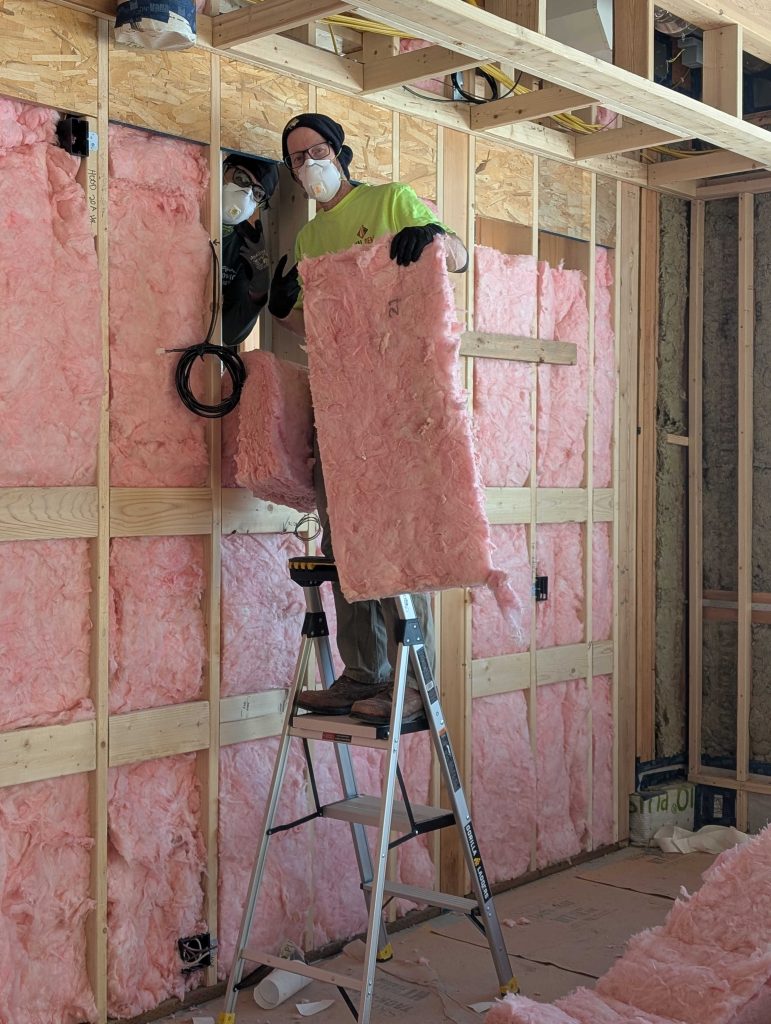
Hazardous building materials can significantly alter a demolition plan, and asbestos is among the most important concerns in older buildings.
Asbestos was historically used in many construction products because of its durability and resistance to heat and fire. Depending on a building’s age and construction history, asbestos-containing materials may potentially be encountered in insulation, flooring, adhesives, pipe insulation, ceiling materials, and other building components.
The challenge is that asbestos isn’t necessarily identifiable by appearance alone. A material can look completely ordinary and still require testing or further evaluation before it is disturbed. That becomes particularly important during demolition because cutting, breaking, sanding, scraping, or removing certain asbestos-containing materials can release fibers into the air.
If suspected asbestos-containing material is discovered, work in the affected area should not simply continue as planned. The material may need to be evaluated and, when required, handled in accordance with applicable regulations and appropriate abatement procedures. This is also where having demolition and abatement capabilities working together can simplify a complicated renovation.
Local Demo provides asbestos abatement services in addition to demolition, helping contractors and property owners address hazardous materials as part of the broader site preparation process. Identifying these concerns before demolition, whenever possible, can help reduce disruptions.
When hidden materials are discovered after work begins, having a clear response plan becomes even more important.
3. Lead-Based Paint
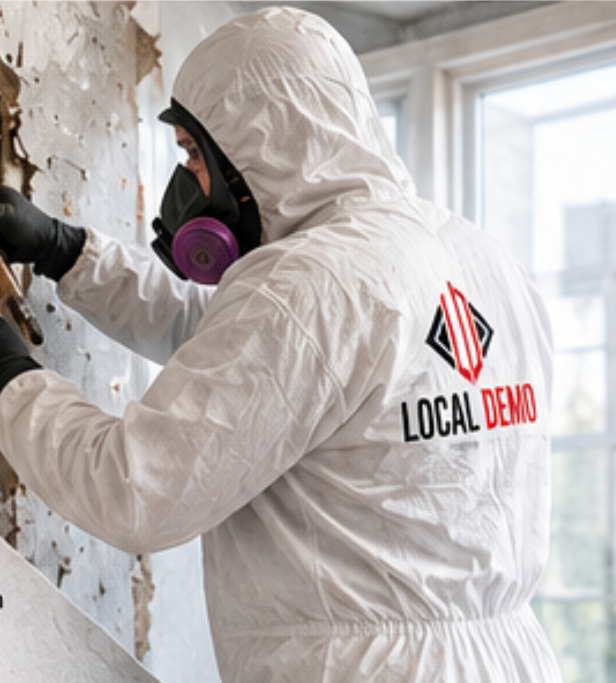
Lead-based paint presents another potential complication when renovating older properties. Paint that has remained undisturbed for years may become a different concern once demolition begins. Removing walls, trim, doors, windows, ceilings, or other painted building components can generate paint chips and dust.
That means a seemingly straightforward demolition scope may require additional precautions if lead-based paint is present. The specific requirements depend on the building, materials, work being performed, and applicable regulations.
However, proper containment, dust management, worker protection, cleanup, and disposal can all become important considerations.
The goal is not to treat every painted surface as a crisis. It is to recognize when a potential hazard requires further evaluation rather than proceeding without knowing what is being disturbed. Local Demo’s lead paint abatement capabilities allow these situations to be addressed alongside demolition when lead hazards are identified.
For general contractors, this can also make project coordination easier. Instead of discovering a potential lead issue and then scrambling to find another contractor after demolition has already started, hazardous-material considerations can be incorporated into the demolition and renovation plan.
4. Mold and Hidden Moisture Damage
Sometimes the outside of a wall tells you very little about what’s happening inside it. A finished wall may look perfectly normal while the cavity behind it contains moisture-damaged drywall, insulation, sheathing, or framing. The same is true beneath flooring, above ceilings, inside basements, and around plumbing or mechanical systems.
Hidden moisture can originate from many sources, including plumbing leaks, roof leaks, foundation moisture, condensation, poor drainage, or previous flooding. In some cases, the original water problem may have occurred years earlier. The visible evidence may have been repaired while damage remained concealed inside the structure.
Demolition is often when the full extent of that damage finally becomes visible. Crews may encounter staining, deteriorated building materials, unexpected odors, rot, or visible microbial growth once finished surfaces are removed. When suspected mold is discovered, continuing demolition can potentially spread contaminated dust or debris into surrounding areas.
The affected area may require further assessment, containment, removal of damaged materials, and appropriate remediation before reconstruction proceeds. Local Demo provides mold remediation as part of its broader demolition and site preparation capabilities, allowing hidden moisture and mold conditions to be addressed when they are uncovered.
The discovery may change the immediate schedule, but addressing the underlying problem before new construction covers the area again is essential. Closing a wall over unresolved moisture damage carries an old problem into a newly renovated space.
5. Structural Conditions That Don’t Match the Plans
Existing buildings aren’t always exactly as depicted in the drawings. Original plans may be incomplete or unavailable. Previous renovations may have substantially changed the building. Walls may have been added or removed, openings may have been altered, and structural components may have been modified during earlier construction.
Once demolition exposes the framing, crews sometimes discover conditions no one anticipated. That might include unusual framing configurations, modified supports, patched openings, deteriorated structural materials, or components that appear to be carrying loads differently than expected.
This is where experience and judgment become especially important. Good demolition isn’t just knowing how to remove something. It’s knowing when not to remove it. If a structural condition doesn’t match expectations, demolition in that area may need to stop until the general contractor, architect, structural engineer, or other appropriate professional can evaluate the situation.
That pause can feel frustrating on a tight construction schedule, but it is far preferable to removing something that turns out to be structurally important. Selective demolition requires crews to understand the boundaries of their scope and recognize when existing conditions require additional expertise. The objective is controlled removal, not speed at any cost.
6. Unexpected Concrete and Reinforcement
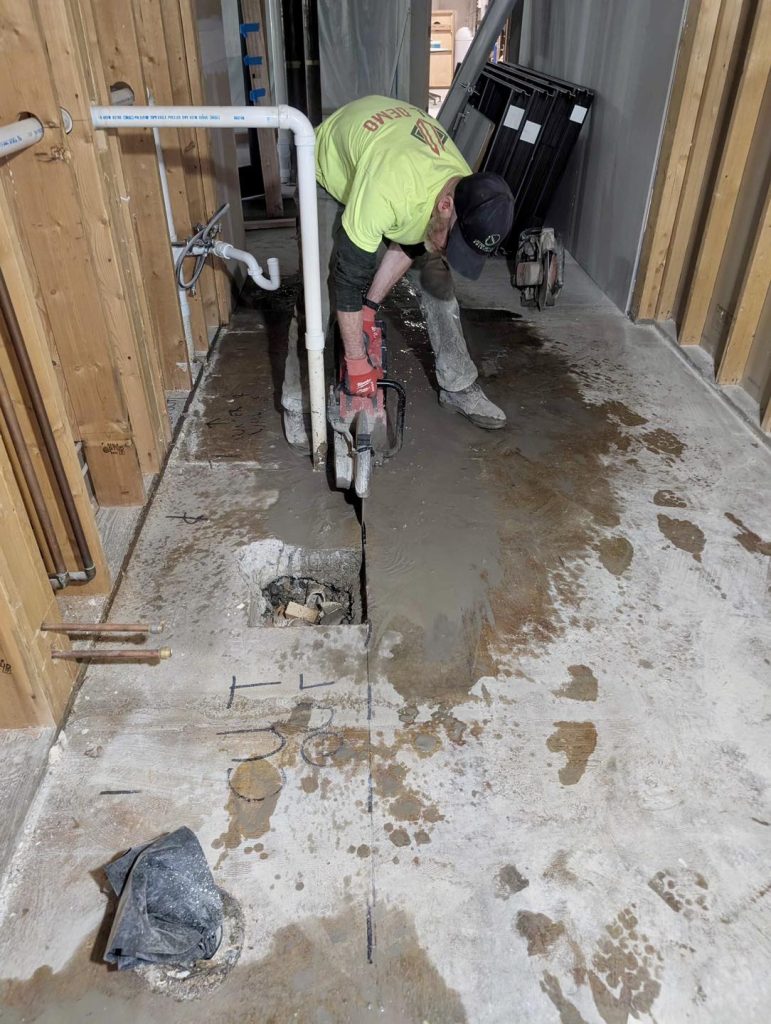
Concrete has a way of creating surprises of its own. A renovation may require a new floor penetration, doorway, utility trench, mechanical opening, or removal of an existing concrete section. Plans may set expectations for what is there, but actual conditions can differ.
A slab may be thicker than anticipated. A wall may contain more reinforcement. Previous additions or repairs may have changed the original construction. Rebar may be encountered where it wasn’t expected. There may also be utilities embedded within or located beneath concrete, making precision particularly important.
These conditions can affect equipment selection, work sequencing, labor requirements, and coordination with other trades. Professional concrete cutting and coring allows contractors to create controlled openings and penetrations rather than relying on unnecessarily destructive removal methods.
Local Demo provides concrete cutting and coring as part of its demolition services, which can be particularly valuable when renovation plans require precise modifications to existing concrete.
The goal is to remove exactly what the project requires while protecting the surrounding structure and preparing a clean opening for the trade that follows.

7. Previous Renovations and Improvised Construction
Buildings accumulate history. The older the building, the more likely it is that several owners, contractors, tenants, or maintenance teams have altered it over time. Sometimes those changes are well documented, and sometimes they’re not.
Once demolition begins, crews may discover multiple layers of flooring, walls constructed over older walls, abandoned plumbing, outdated electrical components, covered doorways, concealed windows, old repairs, unusual framing, or building materials from several different periods.
What looked like one layer during estimating can turn out to be three. A simple wall removal can reveal another finished surface behind it. Flooring can contain multiple generations of materials and adhesives. A ceiling may conceal an older ceiling above it, along with abandoned mechanical or electrical systems.
Each additional layer can affect labor, debris volume, disposal requirements, and the time required to complete demolition.
Previous renovations can also create questions about what should stay and what should go. Something that initially appears abandoned may still serve another portion of the building. This is particularly relevant when renovating older homes and commercial properties throughout Montana, where buildings may have been modified repeatedly over decades.
Careful demolition allows these layers to be uncovered methodically rather than assuming the visible construction represents everything underneath.
What Happens When Demolition Uncovers Something Unexpected?
Unexpected conditions are part of working with existing buildings. What separates a manageable discovery from a major project problem is often how the team responds. A straightforward approach is:
Stop. Assess. Communicate. Coordinate. Proceed.
If demolition exposes something outside the anticipated scope, continuing without understanding the condition can turn a small issue into an expensive one. Instead, the demolition contractor should identify the concern, protect the affected area when necessary, and communicate with the general contractor or property owner. From there, the appropriate professional can be brought into the conversation.
Depending on the discovery, that could mean an electrician, plumber, engineer, environmental professional, architect, or another specialized trade.
Once the condition has been evaluated and a plan is established, demolition can continue with everyone working from the same information. This kind of communication is particularly important on projects with multiple subcontractors.
One unexpected condition can affect several trades, and early communication gives the project team a better chance to adjust the sequencing before the issue creates additional delays.
How Pre-Demolition Planning Reduces Expensive Surprises
No demolition contractor can guarantee that every concealed condition will be discovered before work begins. If it’s behind a wall, underneath a slab, or above a finished ceiling, sometimes the only way to know what’s there is to expose it. But good pre-demolition planning can significantly reduce uncertainty and help the team respond more effectively when surprises occur.
Planning may include reviewing available drawings and building records, inspecting the work area, identifying known utilities, evaluating potential hazardous-material concerns, determining which building components must remain, establishing containment where appropriate, planning debris removal, and coordinating demolition sequencing with other trades.
It is also important to understand what happens if the scope changes. Who needs to be contacted? Which trades are working immediately after demolition? Are there areas of the building that will remain occupied? What surfaces and equipment need protection? How will debris move through the site without interfering with other work?
These details may seem secondary when everyone is focused on the renovation itself, but they can have a major impact on how efficiently the project moves forward. You can’t eliminate every surprise hidden inside an existing building, but you can keep those surprises from turning into chaos.
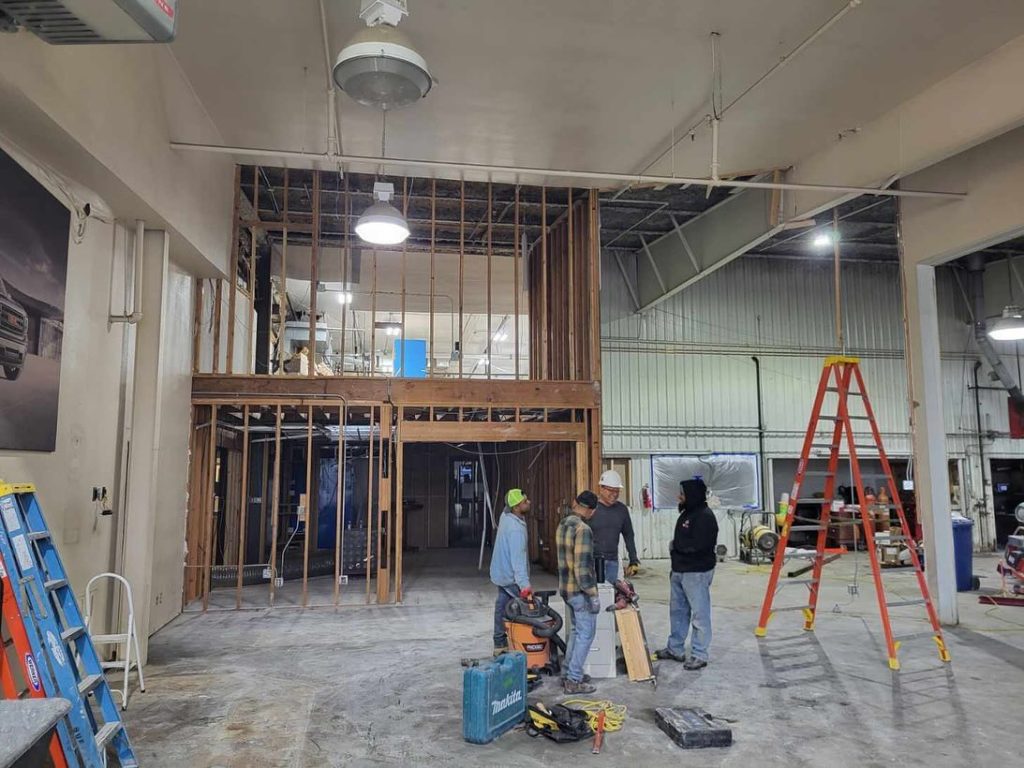
Experienced Demolition Sets Up the Trades That Follow
Demolition is sometimes viewed as the destructive phase of a construction project. In reality, good demolition is a form of preparation. The quality of the demolition work directly affects the contractors who follow.
Framers need clean work areas and clearly defined boundaries. Electricians and plumbers need properly prepared openings and access. HVAC contractors may need precise penetrations. Concrete crews need to remove existing materials without causing unnecessary damage to surrounding surfaces.
A professional demolition contractor is considering those next steps while removal is underway. That means protecting building components that are staying, creating controlled openings, maintaining containment, managing dust and debris, communicating unexpected conditions, and leaving the work area ready for the next phase.
On commercial renovations, this becomes even more important because demolition may occur alongside other construction activities or within buildings that remain partially occupied. Controlled demolition helps reduce disruption while keeping the larger project moving forward.
Planning a Renovation in Southwestern Montana? Start With Local Demo
Every renovation has unknowns. The key is having an experienced team that knows how to uncover them and respond appropriately when the unexpected arises carefully. Local Demo works with general contractors, property owners, facility managers, and other construction professionals throughout Montana to prepare existing spaces for what comes next.
Our capabilities include interior and exterior selective demolition, concrete cutting and coring, containment and surface protection, debris removal, asbestos and lead paint abatement, mold remediation, post-construction cleaning, and additional site preparation services.
We proudly serve projects throughout Gallatin, Park, Madison, Jefferson, Broadwater, and Meagher counties, providing the specialized demolition support needed for residential, commercial, and construction projects.
Whether you’re preparing an older building for a complete renovation or need precise, selective demolition as part of a larger construction project, getting the demolition phase right can make the rest of the project easier.
Planning a renovation? Contact Local Demo to discuss your demolition scope, identify potential challenges, and get your project site ready for the work ahead.
Frequently Asked Questions About Demolition and Renovation
What should be checked before demolition begins?
Before demolition begins, contractors should review the work area, available building plans, known utility locations, structural considerations, and potential hazardous building materials. The demolition scope should also identify what is being removed, what must remain, how surrounding surfaces will be protected, and how debris will be managed.
Older buildings may require additional investigation because previous renovations are not always accurately documented.
What are the most common unexpected problems found during demolition?
Common hidden conditions include undocumented electrical wiring and plumbing, asbestos-containing materials, lead-based paint, mold and moisture damage, unexpected structural modifications, reinforced concrete, and layers of previous construction.
These discoveries can affect the demolition scope, construction schedule, and work required before renovation can continue.
What is selective demolition?
Selective demolition is the controlled removal of specific building components while protecting the portions of the structure that will remain. It is commonly used during renovations and remodels to remove walls, ceilings, flooring, fixtures, concrete, and other materials without unnecessarily damaging surrounding construction.
What happens if asbestos is discovered during demolition?
If suspected asbestos-containing material is discovered, work in the affected area may need to stop until the material can be properly evaluated. If asbestos is confirmed and will be disturbed by the project, appropriate abatement procedures may be required before demolition continues.
Local Demo provides asbestos abatement services in addition to demolition, helping coordinate these situations as part of the renovation process.
Can demolition uncover hidden mold?
Yes. Mold and moisture damage can remain concealed behind drywall, beneath flooring, above ceilings, and inside other building cavities. Demolition may expose damage that wasn’t visible during the initial inspection. When suspected mold is discovered, the affected area should be evaluated and properly addressed before new construction covers it again.
Why is containment important during interior demolition?
Containment helps control dust, debris, and contaminants generated during demolition and prevents them from spreading into surrounding areas. It can be especially important when work is performed in occupied or partially occupied buildings, or when demolition involves materials that require additional precautions.
Proper containment can also help protect equipment, finishes, and areas of the building that are not part of the demolition scope.
Why hire a professional demolition contractor for a renovation?
Professional demolition contractors do more than remove building materials. They help plan controlled removal, protect existing components, identify unexpected conditions, coordinate with other trades, manage debris, and prepare the site for the next phase of construction.
Experienced selective demolition by Local Demo can help reduce unnecessary damage, improve job site safety, and keep renovation projects moving efficiently.
Get In Touch
Our Location
125 Central Avenue, Unit J Bozeman, MT 59718
Call Us
Phone: (406) 595-0227
E-mail Us
info@yourlocaldemo.com
Our Service Area
We Service the Following Counties