
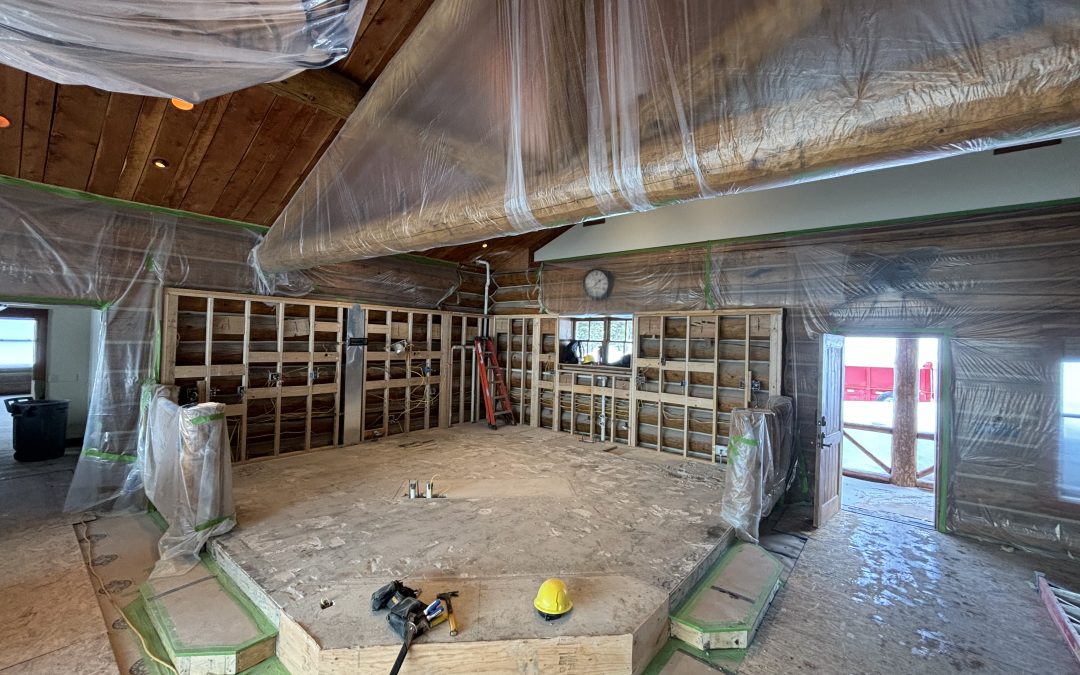
A successful construction project doesn’t begin when the first wall is framed or the first piece of equipment is installed. It begins long before that, with careful planning, coordination, and preparation for the job site, setting the stage for everything that follows. One of the most important phases of that preparation is demolition. Many people think demolition only involves tearing out walls, removing flooring, or hauling debris away.
In reality, professional demolition is a highly specialized trade that requires planning, precision, communication, and a thorough understanding of construction. The quality of the demolition phase directly impacts every contractor who follows, making it one of the most important investments in the success of a renovation or tenant improvement project.
That is why experienced general contractors rarely leave demolition to chance. They prefer to partner with professional demolition companies like Local Demo that understand how to safely and efficiently prepare a project, with the next phase of construction already in mind.
Demolition Is More Than Just Removing Materials
Every demolition project starts with understanding what should stay, not just what needs to go. Commercial renovations often require selective demolition, where specific walls, ceilings, flooring, mechanical systems, or structural components are removed while preserving surrounding finishes and building systems. Achieving that level of precision requires experience, planning, and close attention to construction documents.
Before demolition begins, a professional demolition contractor carefully evaluates the project by reviewing drawings, identifying utilities, understanding structural considerations, and coordinating with the overall construction schedule. Existing plumbing, electrical systems, HVAC components, fire protection systems, and load-bearing structures must all be considered before any work starts.
Instead of simply removing materials, experienced demolition professionals prepare the space for the next phase of construction. Their work creates a clean, organized environment where framing, plumbing, electrical, HVAC, drywall, and finish contractors can begin work with confidence.
Experienced Demolition Contractors Keep Projects Moving
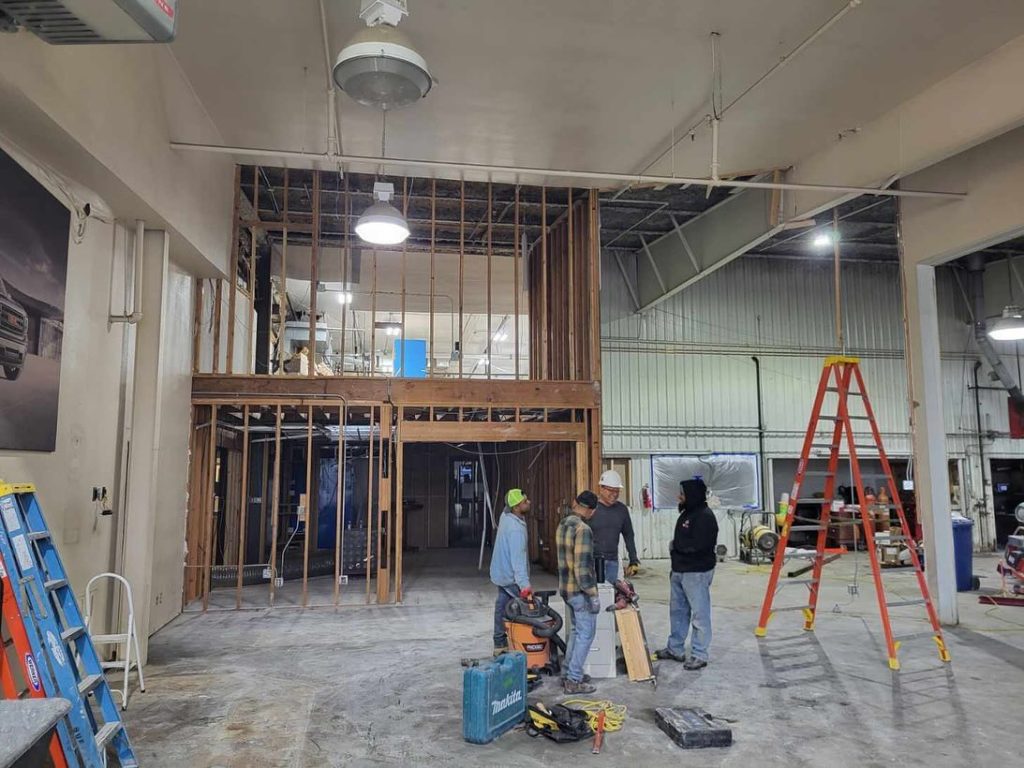
Construction schedules are carefully coordinated to ensure multiple trades work in sequence. When demolition falls behind or leaves unfinished work behind, the impact is felt throughout the entire project. A specialized demolition contractor understands that their work sets the pace for everyone else.
By completing demolition efficiently, removing debris promptly, and preparing work areas correctly, they help eliminate unnecessary delays that can slow framing crews, electricians, plumbers, mechanical contractors, drywall installers, and finish trades waiting to begin their work.
Experienced demolition contractors also recognize that proper site preparation extends beyond demolition itself. Work areas should be clean, accessible, and free of hazards before the next trade arrives. Temporary protections should remain intact where needed, debris should be removed promptly, and any unforeseen conditions should be identified and communicated before they become larger issues.
This level of attention helps reduce downtime, minimize rework, and maintain productivity throughout the project.
A professional demolition company also understands that construction schedules evolve. Design revisions, change orders, material delays, and unexpected field conditions can all require adjustments to the work plan. Maintaining open communication with project managers, superintendents, and other subcontractors allows demolition crews to adapt quickly while keeping the overall project moving forward.
Professional demolition contractors think beyond their own scope of work. Every decision they make is intended to create a smooth transition for the trades that follow. When framing crews, plumbers, electricians, HVAC installers, and finish contractors can begin work immediately in a properly prepared space, the entire construction team benefits.
For general contractors, a dependable demolition partner becomes an important part of maintaining schedules, controlling costs, reducing project risk, and delivering high-quality projects on time and within budget.
Safety Is Always the Priority
Demolition introduces risks that require careful planning and disciplined execution. Hidden utilities, unstable building materials, airborne dust, confined work areas, elevated work surfaces, and occupied buildings all present challenges that must be managed before work begins.
Professional demolition contractors receive the training, experience, and certifications needed to recognize these hazards, implement appropriate safety measures, and protect everyone on the job site. Safety planning begins long before demolition starts.
Crews evaluate the work area, identify potential hazards, verify utility locations, establish safe work zones, and coordinate with project managers and other trades to ensure work can proceed without creating unnecessary risks. Taking the time to prepare properly helps prevent accidents while minimizing disruptions throughout the project.
Comprehensive safety practices often include:
- Following OSHA safety standards and job site requirements
- Locating, identifying, and isolating utilities before demolition begins
- Establishing controlled work areas and restricted access zones
- Implementing dust control and airborne contaminant management
- Using specialized demolition equipment appropriate for the task
- Wearing proper personal protective equipment (PPE)
- Removing and disposing of debris safely and efficiently
- Coordinating work with other contractors to minimize conflicts and hazards
Safety is about more than protecting workers. It also protects the project itself. Fewer accidents mean fewer delays, less property damage, reduced liability, and a more predictable construction schedule. A safe, organized job site enables every trade to work more efficiently and gives project owners and general contractors greater confidence that work is being completed responsibly.
For professional demolition contractors, safety is not just another item on a checklist. It’s the foundation for delivering high-quality work, protecting people and property, and keeping construction projects moving forward from start to finish.
Protecting Finished Areas During Renovations
Many commercial renovation projects take place inside buildings that remain occupied throughout construction. Office buildings, healthcare facilities, schools, retail stores, hotels, apartment communities, and government facilities often continue daily operations while renovations are underway.
In these situations, demolition must be performed with precision to minimize disruption to occupants while protecting the portions of the building that are not part of the renovation. Without proper planning, dust, debris, and accidental damage can quickly spread beyond the work area, impacting employees, customers, patients, tenants, and visitors.
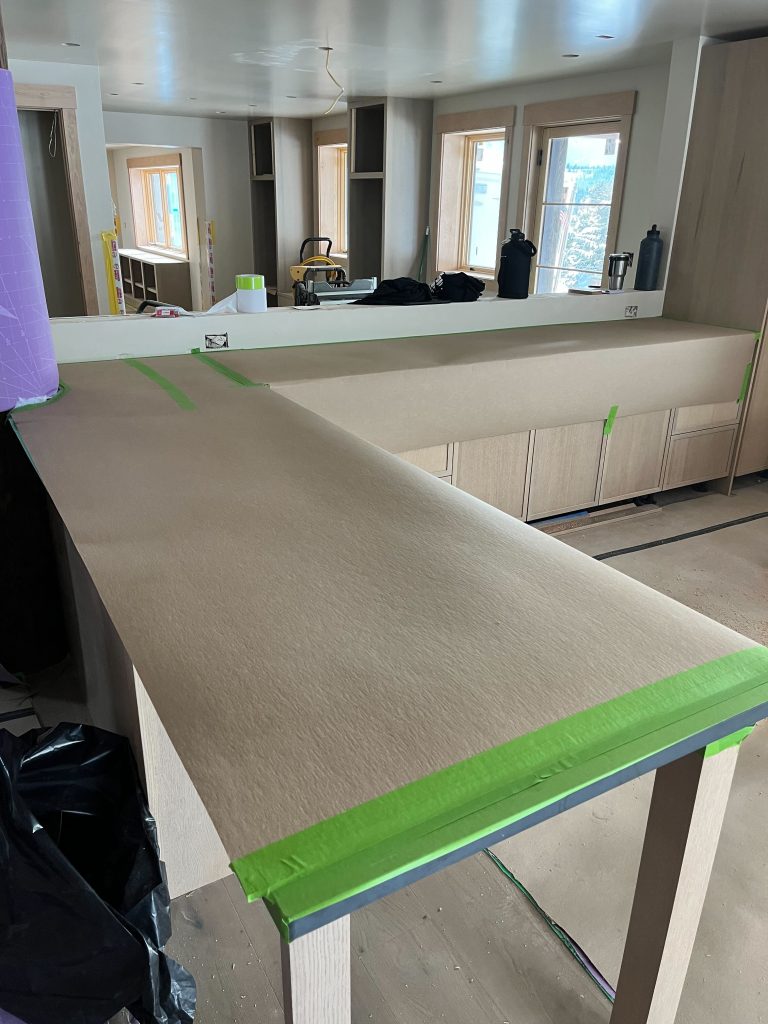
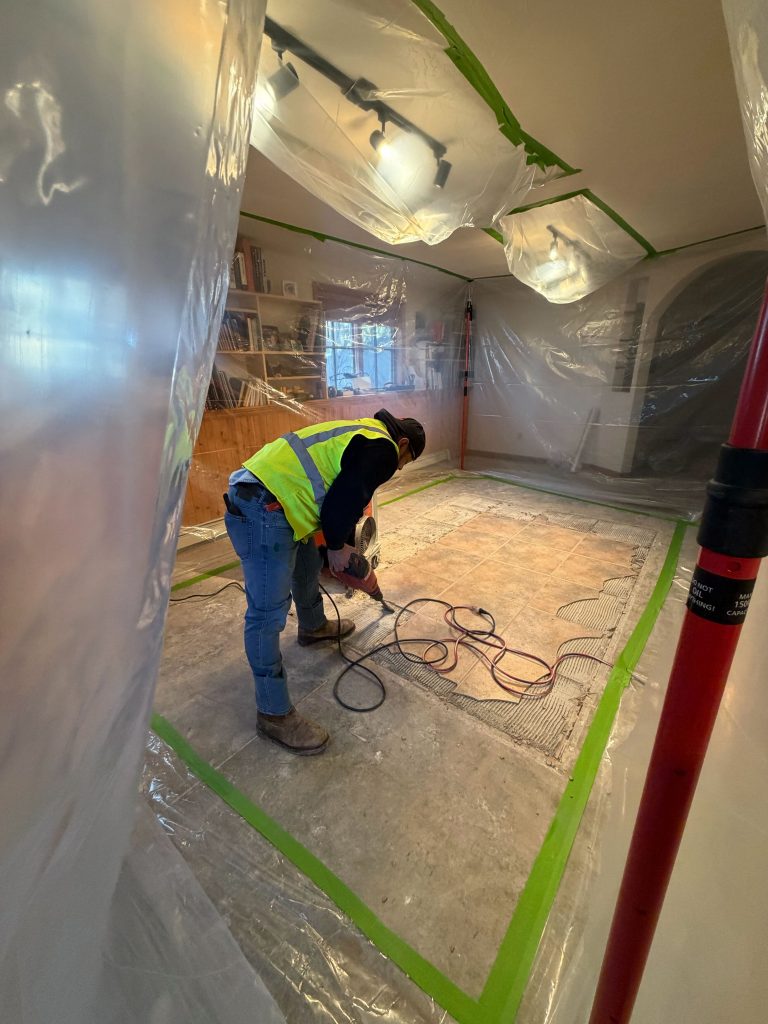
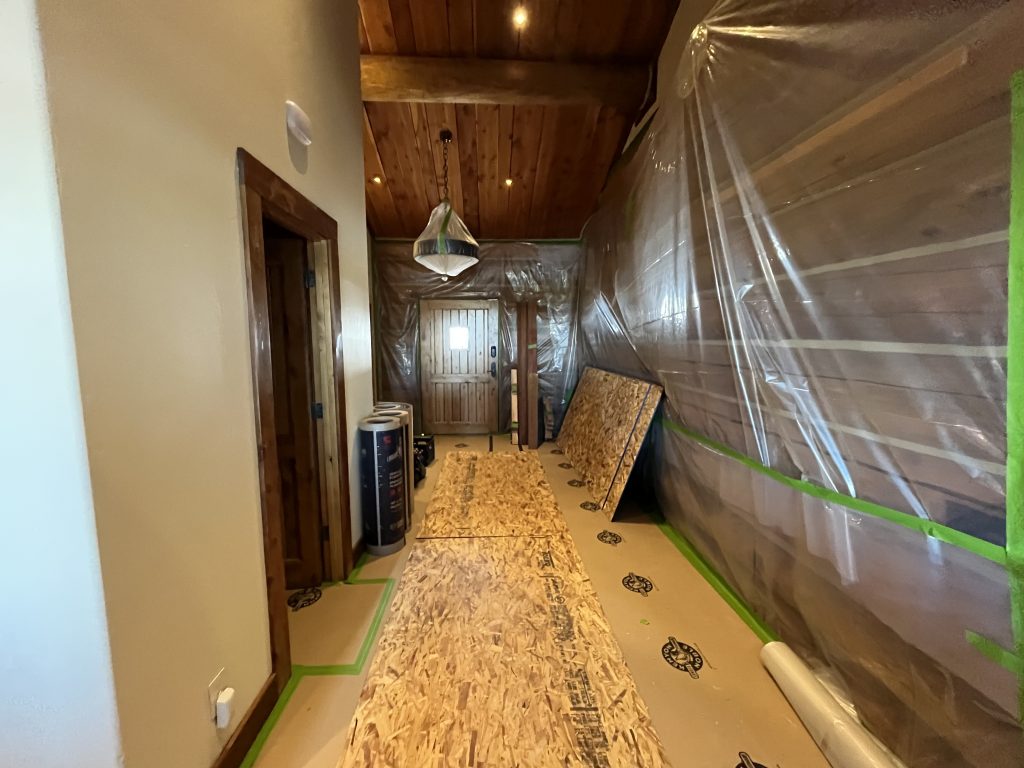
Specialized demolition contractors use a combination of containment systems, temporary barriers, floor protection, protective coverings, and negative air machines to isolate construction areas from occupied spaces. These measures help control airborne dust, protect existing flooring and finishes, reduce noise and debris migration, and create a cleaner, safer environment throughout the project.
Surface protection is equally important. Finished flooring, door frames, cabinetry, glass, elevators, corridors, and other completed surfaces can all be vulnerable to damage as workers, equipment, and materials move through the building. Using the proper protective materials helps prevent scratches, dents, stains, and other costly repairs that can delay project completion and increase expenses.
Effective containment also benefits every trade working on the project. A cleaner, better-organized job site improves efficiency, enhances safety, and allows construction teams to focus on their work without constantly cleaning up unnecessary dust or navigating around damaged areas.
Protecting what remains is just as important as removing what no longer belongs. When containment and surface protection are incorporated into the demolition process from day one, general contractors can maintain a cleaner job site, preserve finished areas, reduce liability, and keep the project moving toward a successful completion.
Specialized Equipment Makes a Difference
Commercial demolition projects rarely involve a one-size-fits-all approach. Every building presents unique structural conditions, access limitations, occupancy requirements, and construction challenges. What works on one project may not be appropriate for the next, making experience and the right equipment equally important.
Professional demolition contractors invest in equipment designed to perform precise work while minimizing disruption to surrounding structures. Instead of relying solely on manual demolition methods, they use purpose-built tools that improve accuracy, increase efficiency, and help protect the portions of the building that will remain.
Depending on the project, specialized equipment may be used for:
- Interior selective demolition
- Concrete cutting and saw cutting
- Concrete core drilling
- Creating wall, floor, and ceiling openings
- Removing concrete without damaging surrounding structures
- Precision demolition around plumbing, electrical, and HVAC systems
- Working safely in confined or occupied spaces
- Efficient material handling and debris removal
The right equipment also allows demolition crews to complete work with greater control. Precision cutting reduces unnecessary vibration, limits collateral damage, and creates cleaner openings for new plumbing, electrical, mechanical, and structural installations. This level of accuracy helps reduce rework while allowing the next trade to begin work sooner.
In addition to improving quality, specialized equipment enhances job site safety. Purpose-built demolition tools reduce manual labor, improve material handling, and allow crews to work more efficiently in challenging environments where safety and precision are essential. Using the proper equipment allows demolition professionals to work faster, safer, and with greater precision than general labor alone.
For general contractors, that means fewer unexpected issues, better workmanship, and a project that stays on schedule from demolition through completion.
Better Communication Means Better Results
General contractors rely on subcontractors who communicate clearly, solve problems proactively, and understand the importance of teamwork. On a busy construction site, effective communication is just as valuable as technical skill. Keeping everyone informed helps prevent misunderstandings, avoid costly delays, and ensure every phase of the project progresses as planned.
Unexpected conditions are common during demolition. Hidden utilities, undocumented construction, structural modifications, water damage, or previously concealed issues can all require adjustments to the work plan. Experienced demolition contractors know how to identify these conditions early, communicate them promptly, and work collaboratively with project managers and other trades to develop practical solutions before small issues become major setbacks.
Reliable communication includes:
- Arriving on schedule and prepared for the day’s work
- Providing consistent progress updates
- Coordinating activities with other trades
- Reporting unforeseen conditions immediately
- Offering practical, solution-oriented recommendations
- Remaining flexible as project schedules and priorities evolve
- Keeping project managers informed throughout every phase of demolition
Good communication also builds trust. When general contractors know they will receive timely updates, honest assessments, and dependable follow-through, they can make informed decisions with confidence. That level of reliability strengthens working relationships and often leads to repeat partnerships on future projects.
When communication is strong, projects experience fewer surprises, smoother transitions between trades, faster problem resolution, and more predictable schedules. Instead of reacting to unexpected challenges, construction teams can stay focused on delivering a safe, efficient, and successful project from demolition through completion.
One Contractor, Multiple Specialty Services
Today’s commercial construction projects often require far more than demolition alone. Renovations, tenant improvements, and remodels often involve a combination of specialized services that must be carefully coordinated to keep the project on schedule. Managing multiple subcontractors for each phase can increase complexity, create communication gaps, and make scheduling more difficult.
Working with a single contractor capable of providing multiple specialized services, such as Local Demo, simplifies project management, improves accountability, and enhances efficiency. Instead of coordinating several companies with separate schedules, crews, and points of contact, general contractors can rely on a single experienced partner who understands the project’s timeline, scope, and objectives from start to finish.
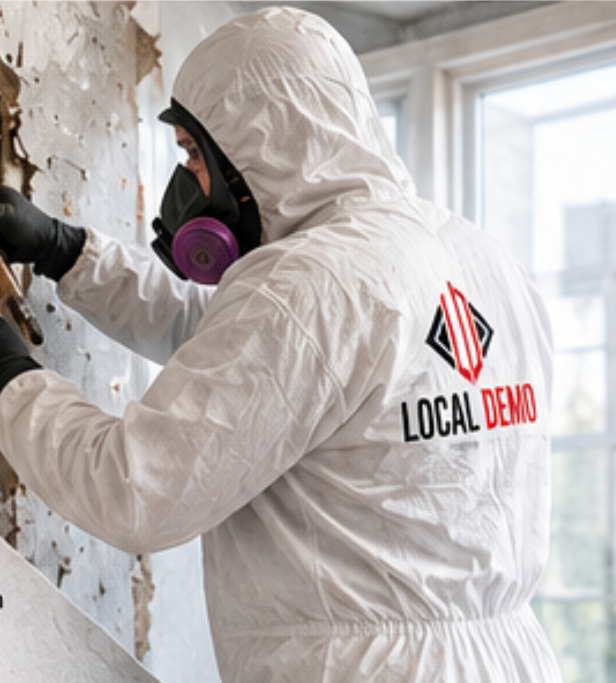
In addition to commercial and selective demolition, Local Demo provides:
- Concrete cutting and coring
- Surface protection and containment
- Mold remediation
- Lead paint abatement
- Asbestos abatement
- White-glove post-construction final cleaning
Because these services are performed by one coordinated team, transitions between phases are smoother, scheduling conflicts are reduced, and communication remains consistent throughout the project. Questions can be addressed quickly, unforeseen conditions can be resolved more efficiently, and project managers spend less time coordinating multiple specialty contractors.
For general contractors, that means fewer vendors to manage, greater accountability, and a streamlined construction process from initial demolition through final turnover. By partnering with Local Demo for multiple phases of a project, contractors gain a reliable resource focused on keeping work organized, schedules intact, and projects moving forward efficiently.
Why General Contractors Trust Local Demo
Successful construction projects depend on subcontractors who do more than show up. They protect your schedule, reduce risk, and keep every trade moving without interruption. Local Demo partners with general contractors throughout Southwest Montana to deliver demolition and site preparation services that eliminate bottlenecks, prevent rework, and keep projects progressing exactly as planned.
Whether you’re managing a commercial tenant improvement, office renovation, healthcare facility, retail buildout, educational campus, hospitality upgrade, or industrial project, Local Demo provides the experience, manpower, and specialized equipment to clear the way quickly, safely, and correctly the first time.
From selective interior demolition and precision concrete cutting to surface protection and post-construction final cleaning, every service is designed to reduce coordination headaches, protect finished work, and accelerate turnover to the next trade.
Start Your Project the Right Way, Before Work Begins
The difference between a smooth project and a delayed one is almost always decided before demolition starts. When general contractors bring in a demolition partner early, they gain tighter scheduling control, fewer field surprises, and a cleaner handoff to the framing, mechanical, electrical, and finishing trades.
Early planning also reduces change orders, minimizes downtime, and helps avoid costly rework caused by improper or rushed site preparation. If you are preparing for an upcoming renovation or commercial construction project, now is the time to lock in your demolition strategy. Early coordination ensures safer execution, faster mobilization, and a predictable path from demolition to buildout.
Contact Local Demo today to schedule a project consultation. Our team will review your plans, identify risks before they impact your schedule, and build a clear, efficient demolition and site preparation plan aligned with your timeline and scope.
Frequently Asked Questions
What is selective demolition?
Selective demolition is the careful removal of specific building components while preserving the surrounding structure and finishes. It is commonly used during commercial renovations, tenant improvements, and remodeling projects where only portions of a building need to be removed.
Why should general contractors hire a specialized demolition company?
Specialized demolition contractors bring the experience, equipment, and planning needed to complete demolition safely and efficiently. They help minimize project delays, protect existing structures, coordinate with other trades, and prepare the site for the next phase of construction.
How does professional demolition help keep construction projects on schedule?
Professional demolition contractors work according to the project’s construction timeline, communicate with project managers, and ensure work areas are fully prepared for framing, plumbing, electrical, HVAC, and finish trades. This reduces downtime and helps prevent costly delays.
What types of commercial buildings require selective demolition?
Selective demolition is commonly performed in office buildings, healthcare facilities, schools, retail stores, restaurants, hotels, warehouses, manufacturing facilities, government buildings, and multi-tenant commercial properties undergoing renovations or tenant improvements.
How do demolition contractors control dust during construction?
Professional demolition companies use dust containment systems, temporary barriers, floor protection, negative air machines, HEPA filtration, and other containment methods to reduce dust migration and protect occupied areas of the building.
Does Local Demo provide more than demolition services?
Yes. In addition to commercial and selective demolition, Local Demo offers concrete cutting and coring, surface protection and containment, mold remediation, asbestos abatement, lead paint abatement, air duct cleaning, dryer vent cleaning, and white-glove post-construction final cleaning, making them a valuable construction partner throughout multiple phases of a project.
When should a demolition contractor be brought into a project?
The earlier, the better. Involving a demolition contractor during the planning stage helps identify potential challenges, improve scheduling, coordinate specialty services, and reduce unexpected delays once construction begins.
Does Local Demo serve both commercial and residential projects?
Yes. Local Demo provides demolition and specialty construction services for commercial, industrial, institutional, and residential renovation projects throughout Southwest Montana. Whether the project involves a commercial tenant improvement or a residential remodel, their team delivers the same commitment to safety, precision, and quality workmanship.