
Successful Home Renovation Projects Begin with Carefully Planned, Professionally Executed Demolition
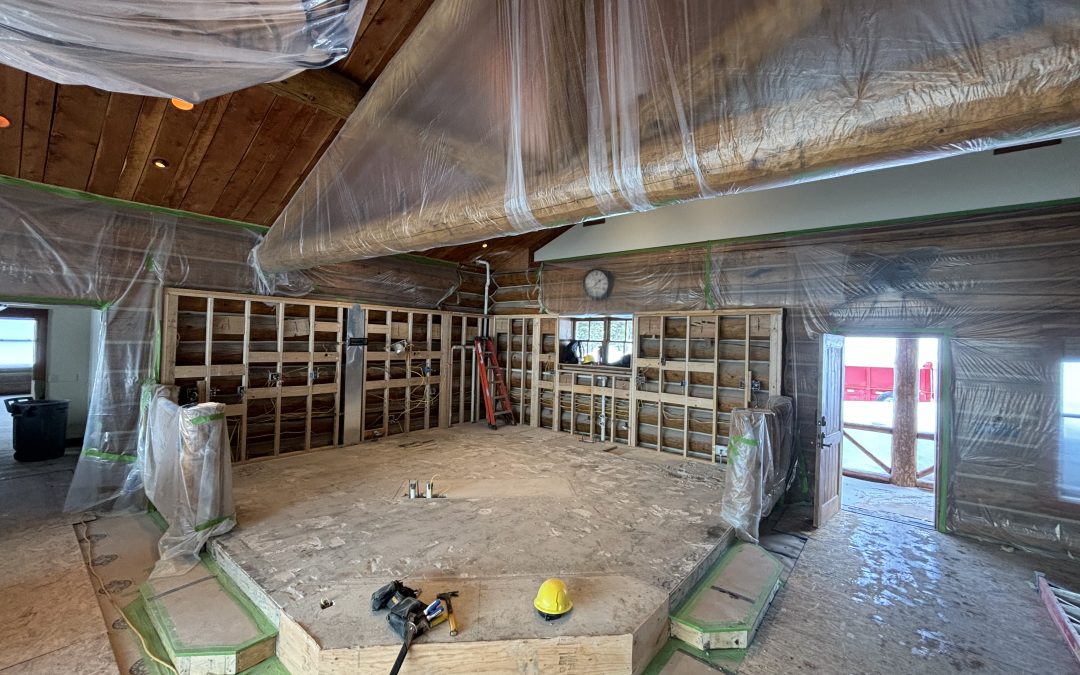
Home renovation projects often begin with demolition, but that does not mean chaos, dust clouds, or damage to surrounding spaces. Professional interior demolition focuses on precision, protection, and control to ensure the renovation process moves forward smoothly.
Instead of tearing everything apart, trained demolition crews carefully remove only the materials that need to go while protecting the structure and finishes that will remain. This controlled approach reduces the risk of damage, keeps debris contained, and creates a clean starting point for the contractors who will complete the renovation.
When selective interior demolition is handled properly, it becomes the first step toward a successful renovation rather than a disruptive and messy obstacle.
At Local Demo, we specialize in safe, controlled interior demolition for home renovation projects. From dust containment and surface protection to careful material removal, we focus on maintaining clean, organized jobsites that protect both the structure and the surrounding living space.
Common Home Renovation Projects Requiring Selective Interior Demolition
Selective interior demolition requires careful planning, experience, and a clear understanding of how homes are constructed. Each cut, removal, and cleanup step is performed to protect the parts of the home that are staying in place.
Selective demolition is commonly required for renovation projects such as:
- Kitchen remodel demolition
- Bathroom renovation demolition
- Removing non-load-bearing walls
- Flooring and tile removal
- Cabinet and fixture removal
- Interior wall modifications
- Ceiling removal
Because precision is the goal, professional crews carefully plan the work before demolition begins. This preparation helps prevent structural damage, protects surrounding finishes, and keeps the project moving forward without unnecessary delays.
Why Clean and Controlled Interior Demolition Matters
Many homeowners assume demolition will automatically be messy and disruptive. In reality, uncontrolled demolition is usually the result of poor planning and inadequate containment.
Home renovation projects often take place in occupied houses where cleanliness and control are extremely important. Without proper precautions, demolition dust can travel quickly through hallways, stairwells, and ventilation systems, spreading far beyond the work area.
A clean and controlled demolition process helps prevent problems such as:
- Dust spreading into living areas
- Damage to flooring, trim, or nearby surfaces
- Debris is tracked throughout the home
- Additional cleanup that slows down the renovation process
At Local Demo, our professional demo crews approach renovation work with a clear strategy. The work area is carefully prepared, surfaces are protected, and dust control systems are installed before demolition even begins.
This planning allows the project to move forward safely while keeping the rest of the home protected.
Dust Control and Containment: The Key to a Clean Jobsite
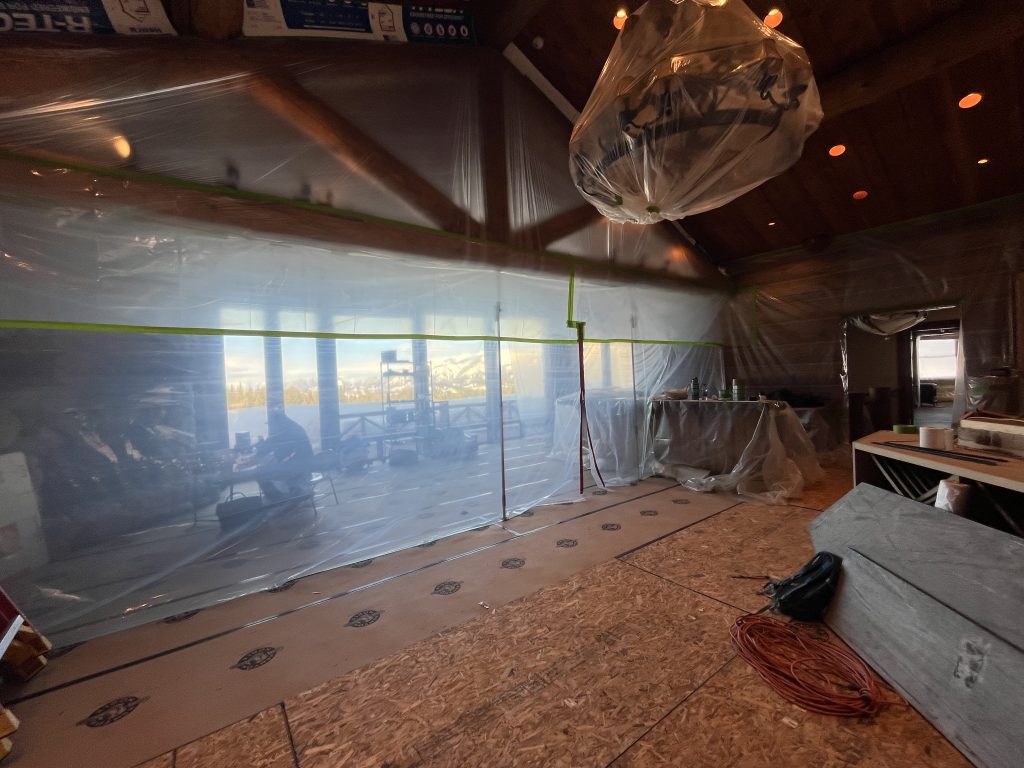
Controlling dust is one of the most important parts of interior demolition. When drywall, tile, wood, and other materials are removed, fine particles can quickly become airborne and spread throughout the home if the work area is not properly contained.
At Local Demo, we use several methods to control dust and isolate the work area.
Work Area Containment
Before demolition begins, the work zone is sealed off using containment systems such as zipper walls or curtain barriers. These temporary walls create a controlled work area, preventing dust and debris from spreading into other parts of the home.
By isolating the demolition zone, contractors can focus on the work while protecting the rest of the living space.
Negative Air and HEPA Filtration
For projects where dust control is especially important, negative air machines equipped with HEPA filtration are used to remove airborne particles from the work area. These machines pull dust out of the contained space and filter it before releasing clean air.
This process helps maintain air quality and significantly reduces dust escaping from the work zone.
Controlled Debris Removal
Maintaining a clean jobsite also requires regular debris removal during demolition. Materials are collected, bagged, and removed throughout the project rather than left to accumulate.
This approach keeps the work area safer, reduces airborne dust, and allows the demolition process to remain organized and efficient.
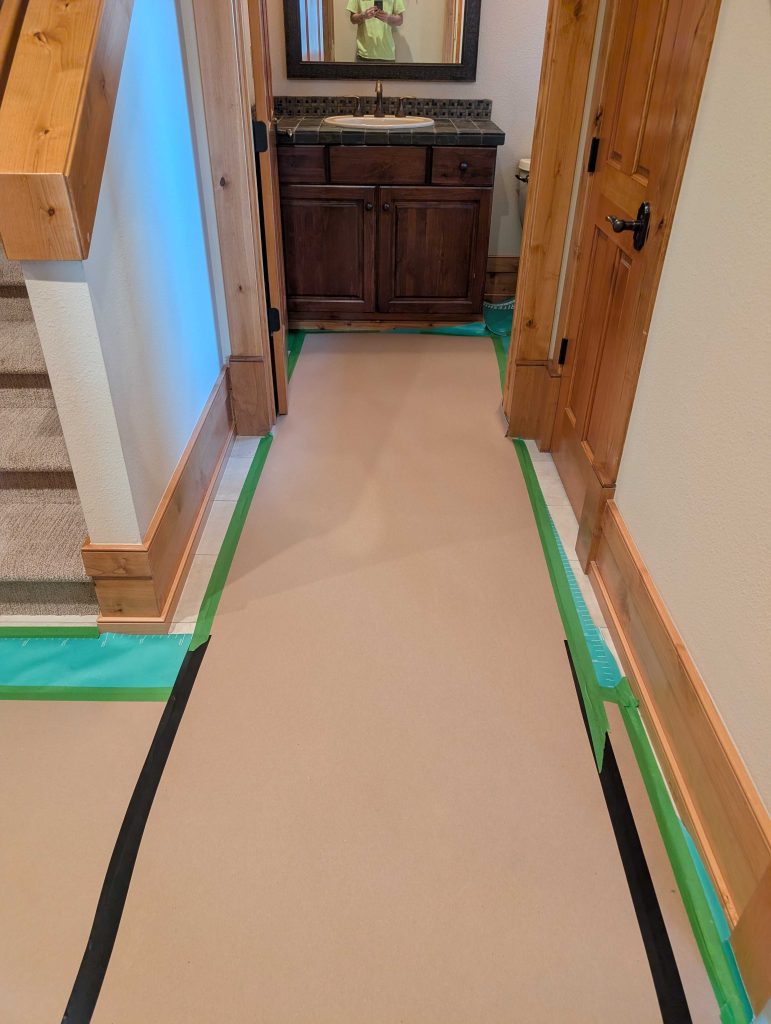
Surface Protection During Interior Demolition and Ongoing Construction
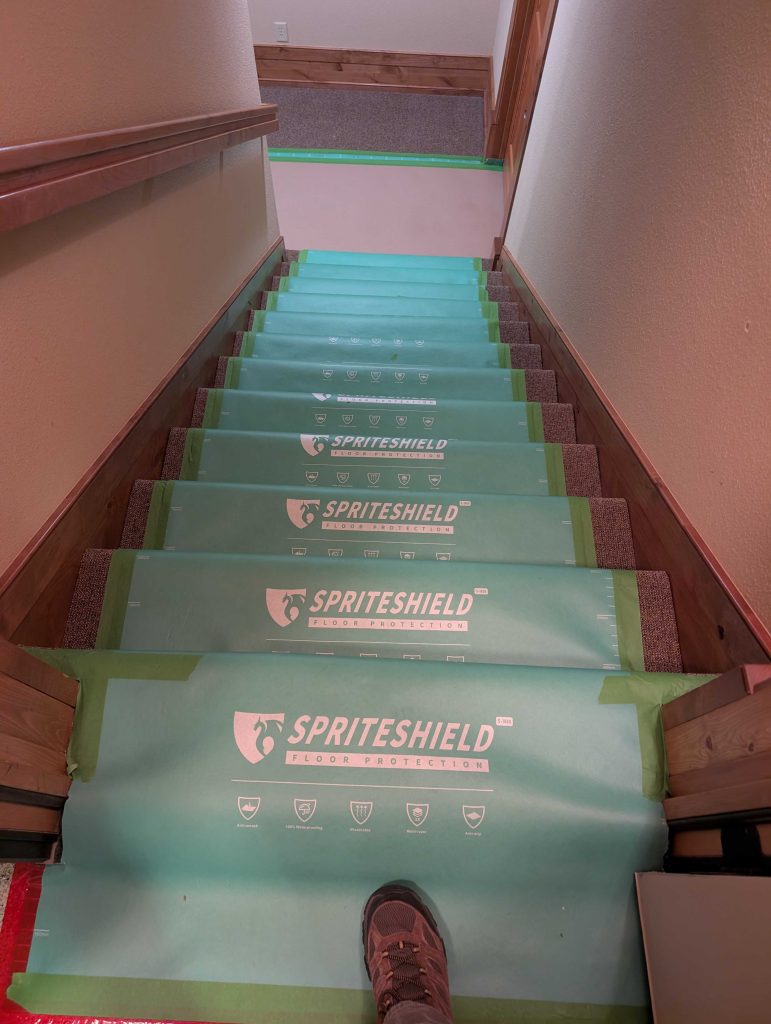
Protecting surfaces like hardwood flooring and finished walls prevents damage, reducing repair costs and project delays. Without proper protection, falling debris, tools, and heavy foot traffic can easily damage floors, trim, doorways, and nearby rooms.
Our professional crews take steps to safeguard these areas, giving homeowners peace of mind.
Common surfaces that require protection include:
- Hardwood flooring
- Tile and finished concrete floors
- Staircases and railings
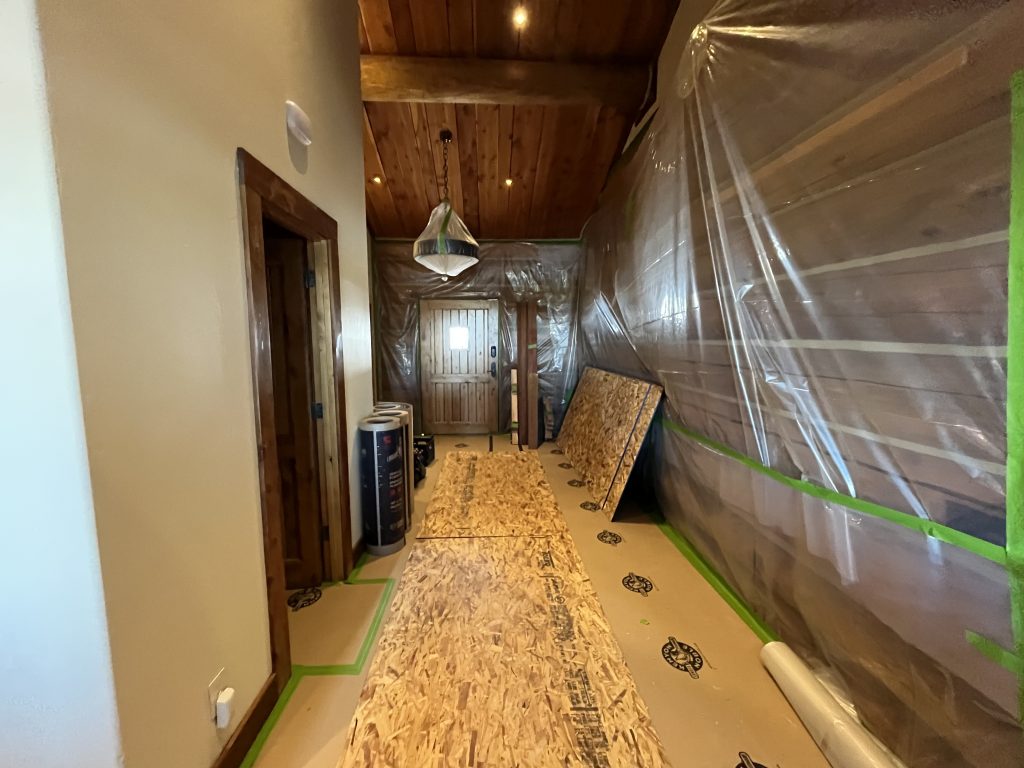
- Hallways and entryways
- Adjacent rooms and finished surfaces
To prevent damage, Local Demo installs durable protective materials, including reinforced floor protection boards, heavy-duty plastic sheeting, and padded coverings. These materials protect vulnerable surfaces from scratches, dents, and debris during demolition.
Taking the time to protect surrounding areas properly helps ensure the renovation project begins without unnecessary repairs or additional costs.
Structural Awareness: Protecting What Must Stay
Evaluating the home’s structure before demolition ensures load-bearing elements are preserved, maintaining safety and stability.
Before demolition begins, experienced crews evaluate the structure to identify critical elements, including framing, plumbing, electrical systems, and HVAC components. This evaluation helps ensure that only the intended materials are removed while the rest of the structure remains protected.
Particular attention is given to identifying load-bearing walls and structural supports. Removing or damaging these elements without proper planning can compromise the home’s stability and pose serious safety risks.
At Local Demo, we approach renovation projects carefully, coordinating with contractors and engineers as needed to preserve structural components. By combining technical knowledge with controlled demolition methods, crews can remove unwanted materials while preserving the home’s integrity.
The Benefits of Hiring Professional Demo Experts
While some homeowners consider handling demolition themselves, interior demolition during a renovation requires more planning and precision than most people expect. Removing cabinets, walls, flooring, or fixtures may appear straightforward, but without proper preparation, it can quickly lead to structural damage, excessive dust, or unnecessary delays.
Hiring a professional demolition crew helps ensure the work is completed safely, efficiently, and with minimal disruption. Experienced teams, like Local Demo, approach demolition with a structured process that protects the home and eases renovation planning.
Improved Safety
Interior demolition involves sharp materials, heavy debris, and potential hazards, including electrical wiring, plumbing lines, and structural framing. Professional demolition crews are trained to identify and manage these risks before work begins.
By following proper safety procedures and using the correct equipment, experienced crews help reduce the likelihood of accidents or costly mistakes during demolition.
Faster Project Timelines
Renovation schedules often depend on demolition being completed quickly and correctly. Professional demolition teams use specialized tools and proven techniques to remove materials efficiently while maintaining control of the work area.
A faster, well-organized demolition process allows contractors to begin the next phase of construction without unnecessary delays.
Reduced Risk of Damage
One of the biggest risks during DIY demolition is accidental damage to parts of the home that should remain intact. Flooring, framing, plumbing, and electrical systems can easily be affected if demolition is performed without proper planning.
Professional demolition crews know how to remove materials while carefully protecting surrounding structures and finishes.
Effective Dust and Debris Control
Demolition generates large amounts of dust and debris that can spread throughout a home if the work area is not properly contained. Professional crews use containment systems, surface protection, and debris management strategies to keep demolition controlled and organized.
Local Demo prioritizes clean and contained demolition methods, helping ensure dust and debris remain confined to the work area rather than spreading throughout the home.
A Cleaner Transition to Renovation
The biggest advantage of professional demolition is that it prepares the space properly for the next stage of the renovation. Once demolition is complete, contractors can begin framing, installation, or finishing work without needing to address leftover debris or damage.
When experienced professionals like Local Demo perform demolition, the renovation process starts with a clean, well-prepared foundation.
FAQs About Professional Selective Interior Demolition
What is selective interior demolition? Selective interior demolition is the careful removal of specific materials or structural components during a renovation project. Instead of demolishing entire sections of a home, demolition professionals remove only the elements that need to be replaced while protecting surrounding structures.
Is demolition always messy during a home renovation? Professional demolition should not be chaotic or uncontrolled. Our experienced demolition crews use containment barriers, dust control equipment, and surface protection systems to keep demolition areas clean and prevent debris from spreading throughout the home.
How do professionals control dust during interior demolition? Dust control typically involves sealing off work areas with containment barriers, using negative air machines with HEPA filtration, and removing debris regularly during demolition. These methods help prevent dust from migrating into other areas of the home.
Can demolition damage other parts of the house? Improper demolition can cause damage to nearby flooring, walls, and structural elements. Local Demo uses protective materials, careful removal techniques, and structural evaluations to prevent unnecessary damage.
How long does interior demolition take for a renovation project? The timeline depends on the scope of the renovation. Small projects, such as bathroom demolition, may take one day, while larger projects, such as kitchen remodels, demolition, or multiple-room renovations, may take several days.
Do I need a permit for interior demolition during a home renovation? Permit requirements depend on the project’s scope and local building regulations. Minor demolition, such as removing cabinets or flooring, may not require a permit, whereas removing walls or structural elements often does.
Can homeowners stay in the house during interior demolition? In many cases, homeowners can remain in the home while demolition is taking place, especially when proper containment systems are used. At Local Demo, we isolate the work area with barriers and dust-control equipment to minimize disruption to the rest of the living space.
What happens to the debris after demolition is completed? Demolition debris is typically collected, bagged, and removed throughout the project to maintain a clean worksite. Local Demo handles debris removal and disposal in accordance with local regulations, ensuring materials are disposed of safely and properly.
How do demolition crews protect floors and nearby surfaces? Local Demo installs protective materials such as reinforced floor protection boards, plastic sheeting, and padded coverings before demolition begins. These materials help protect hardwood floors, tile, trim, and other finished surfaces from falling debris and heavy foot traffic.
What types of renovation projects require selective interior demolition? Selective interior demolition is commonly used for kitchen remodels, bathroom renovations, wall modifications, flooring replacement, and other interior upgrades.
Start Your Renovation Project with Clean, Controlled Demolition
A successful home renovation begins with carefully planned, professionally executed demolition. Precision, proper containment, and surface protection create a clean foundation for the work that follows.
Instead of dealing with unnecessary dust, damage, or delays, homeowners and contractors can move forward confidently into the next phase of the renovation.
If you’re planning a kitchen remodel, bathroom renovation, interior layout change, or another home upgrade, Local Demo Can help your project get off to the right start! Enjoy peace of mind knowing you’re working with a trusted and reliable demolition company.
Contact us today to discuss your project, serving Broadwater, Gallatin, Jefferson, Madison, Meagher, and Park counties, Montana.
Get In Touch
Our Location
125 Central Avenue, Unit J Bozeman, MT 59718
Call Us
Phone: (406) 595-0227
E-mail Us
jscauzzo@jobsitesolutionsmt.com
Our Service Area
We Service the Following Counties