
When you’re planning a home renovation, it’s easy to focus on what comes next. The new kitchen cabinets. The bigger bathroom. The finished basement. The open floor plan you’ve been imagining for years.
But before any of that can happen, something usually has to come out. Residential Interior demolition is one of the first major steps in a home renovation, and it can have a bigger impact on the project’s schedule, budget, and overall success than many homeowners realize.
Done properly, demolition gives your remodeling contractor a clean, well-prepared space to work with. Done poorly, it can uncover expensive surprises, damage parts of the home that were supposed to stay, or create delays before construction even begins.
So, how much does interior demolition cost for a home renovation in Montana? The answer depends on much more than the room’s square footage
At Local Demo, we provide residential selective demolition services throughout Bozeman and Southwest Montana. Here’s what homeowners should know when budgeting for the demolition phase of a renovation.
How Much Does Interior Demolition Typically Cost?
There isn’t one reliable flat rate for residential interior demolition because no two renovation projects are quite the same.
A straightforward bathroom tear-out is very different from gutting a large kitchen. Removing drywall and cabinets is different from breaking up tile, concrete, masonry, or multiple layers of old flooring.
A ground-floor room with direct exterior access may also be considerably easier to work in than a second-story space where every piece of debris has to travel through finished portions of the home.
For that reason, professional demolition estimates typically account for factors such as:
- Size and scope of the demolition
- Materials being removed
- Labor requirements
- Equipment needed
- Accessibility
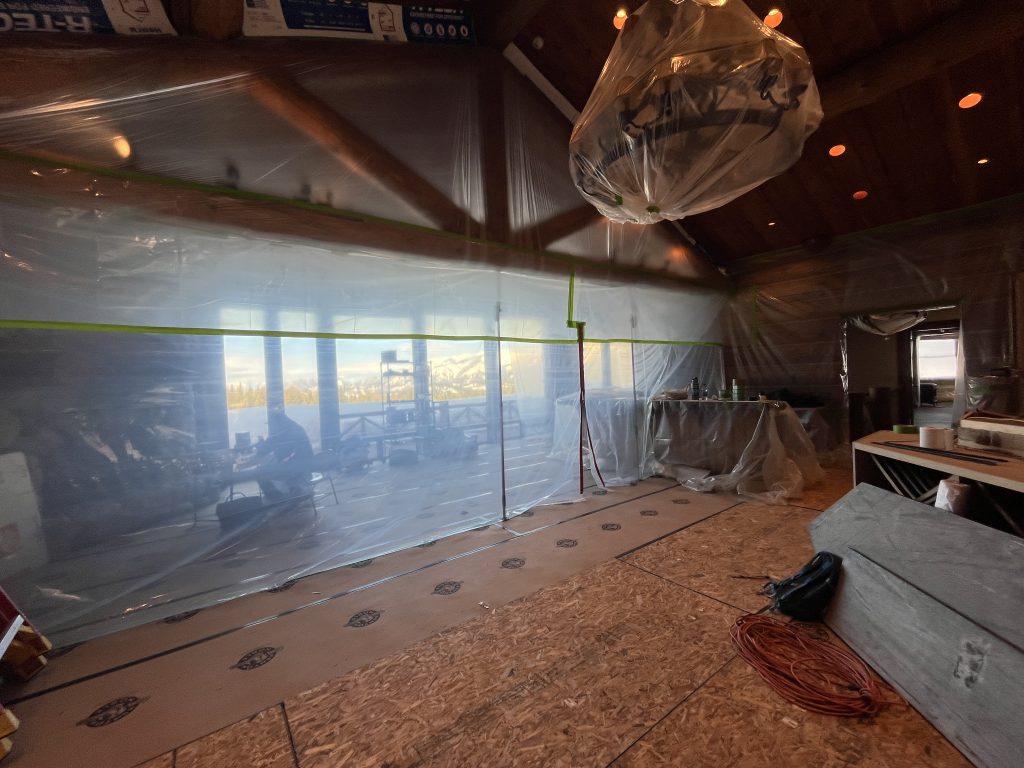
- Surface protection and containment
- Weight and volume of debris
- Hauling and disposal
- Structural considerations
- Hazardous or potentially hazardous materials
You may see national websites advertising demolition costs by the square foot. Those numbers can be useful for very early budgeting, but they shouldn’t be mistaken for an actual project estimate.
A 200-square-foot kitchen and a 200-square-foot bedroom can require dramatically different amounts of demolition work.
The best way to determine the cost of your renovation demolition is to have the space evaluated based on what actually needs to be removed and what needs to remain.
What Factors Affect Residential Demolition Costs?
Several factors have a particularly strong influence on what you’ll pay.
Size and Scope of the Project
Generally, the more material that needs to be removed, the more labor, equipment, hauling, and disposal the project will require.
But size doesn’t tell the whole story. A relatively small bathroom packed with tile, mortar, fixtures, and built-in materials can sometimes involve more intensive demolition than a much larger room consisting primarily of drywall and framing.
The scope matters just as much as the square footage.
What Materials Need to Be Removed?
Interior demolition can involve removing:
- Drywall and plaster
- Cabinets
- Countertops
- Tile
- Carpet
- Hardwood or laminate flooring
- Subflooring
- Framing
- Fixtures
- Masonry
- Concrete
- Insulation
- Built-ins and other finishes
Some materials come out relatively quickly. Others are heavy, difficult to separate, firmly adhered, or require specialized tools.
Tile is a good example. Removing a tile floor isn’t just about picking up the tiles. Depending on the installation, crews may also have to remove mortar, backer board, underlayment, or other materials underneath it.
All of that affects labor and the amount of debris leaving the property.
Structural vs. Nonstructural Demolition
There’s an enormous difference between removing finishes and removing structural components of a house.
If your renovation involves opening a floor plan or removing walls, don’t assume a wall can simply be knocked down because it doesn’t look important.
Load-bearing walls and other structural components need to be identified before demolition begins, and structural changes may require coordination with your contractor, engineer, or other professionals.
Selective demolition is about removing what is supposed to come out while protecting what is supposed to stay.
Access to the Work Area
Where the renovation is located can affect the amount of labor involved. Consider two identical bathrooms. One is on the first floor with a nearby exterior door. The other is upstairs at the end of a finished hallway.
Every piece of material removed from that second bathroom may need to be carefully carried through portions of the home that aren’t being renovated.
Stairs, narrow hallways, landscaping, limited parking, steep lots, and other access challenges can all influence demolition logistics.
For homes in and around Bozeman and Southwest Montana, property access can be particularly important. Not every renovation is happening on a flat suburban lot with a dumpster sitting ten feet from the door.
Don’t Forget About Debris Removal
One of the easiest parts of demolition to underestimate is what happens after everything comes down.
A kitchen, bathroom, or basement can generate an impressive amount of debris. Cabinets, drywall, tile, lumber, flooring, countertops, fixtures, insulation, and other materials must be removed from the home, loaded, hauled, and properly disposed of.
And demolition debris gets heavy quickly. When comparing demolition estimates, homeowners should understand whether debris removal, hauling, and disposal are included in the quoted price.
Getting the material out of the house is only half the job.
Surface Protection and Dust Containment Matter
Renovation demolition is different from tearing down a building. You’re often working inside a home where much of the property is staying exactly as it is.
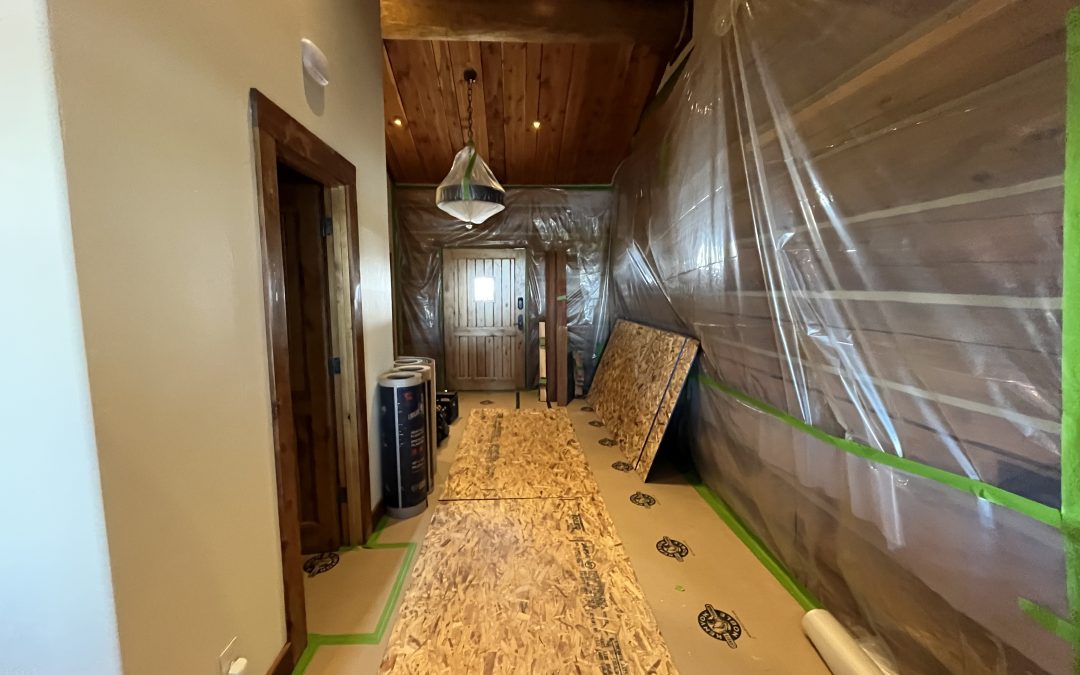
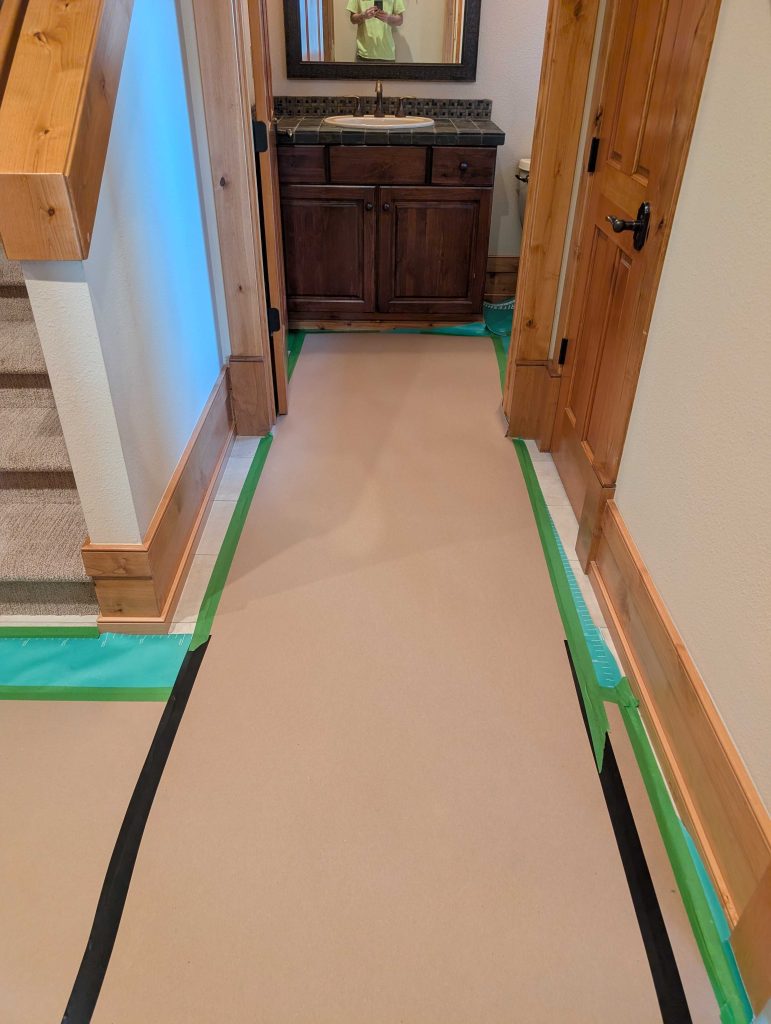
That means protecting floors, hallways, doors, stairs, fixtures, and other finished surfaces that demolition crews may need to work around or travel through.
Dust is another major concern. Interior demolition can release a tremendous amount of fine particulate matter, especially when crews are removing drywall, plaster, tile, mortar, concrete, and older building materials.
Proper containment helps keep the demolition zone separated from the rest of the home and makes the project much easier to manage.
At Local Demo, surface protection and containment are part of how we approach selective demolition, not an afterthought once demolition has already started.
How Much Does It Cost to Demolish Different Parts of a Home?
The type of room you’re renovating can tell you quite a bit about the demolition involved.
Kitchen Demolition
Kitchen demolition can include removing:
- Cabinets
- Countertops
- Backsplashes
- Flooring
- Appliances
- Sinks and fixtures
- Drywall
- Soffits
- Islands
- Nonstructural walls
Kitchens can become complicated because so many building systems meet in one place. Electrical, plumbing, ventilation, gas lines, cabinetry, flooring, and structural components may all need to be considered before the room is ready for remodeling.
If the renovation includes changing the layout or opening the kitchen into another room, the demolition scope can become considerably larger.
Bathroom Demolition
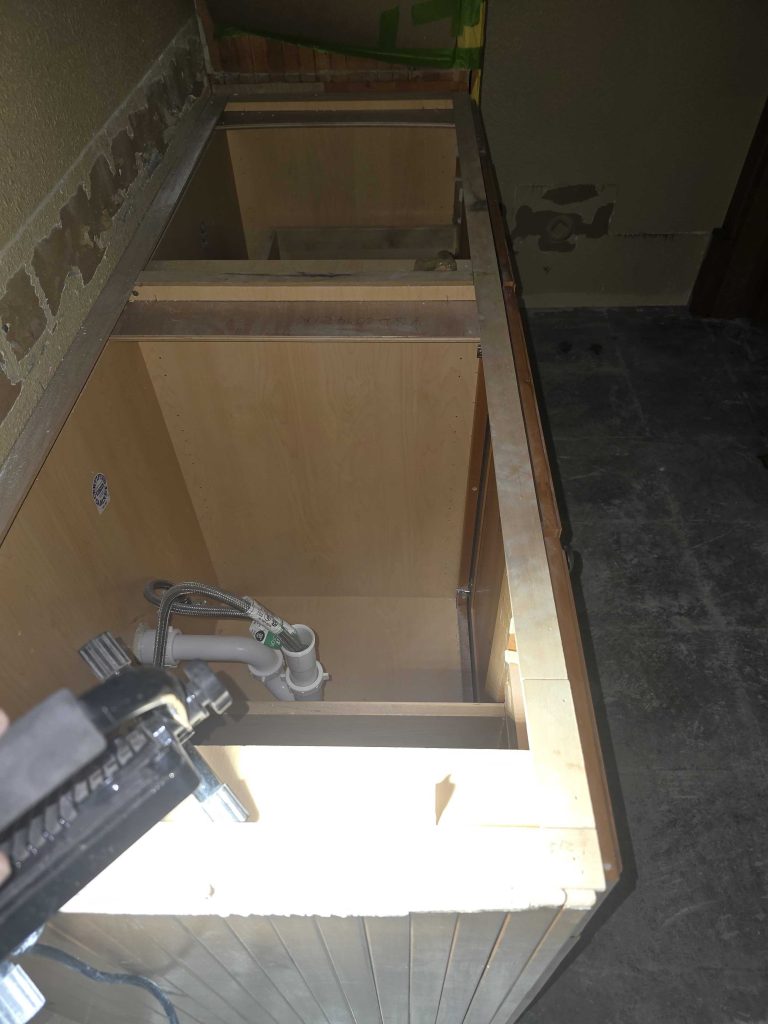
Bathrooms may be small, but don’t let the square footage fool you. Tile, mortar, backer board, tubs, showers, vanities, flooring, fixtures, and other materials can make bathroom demolition surprisingly labor-intensive.
Older bathrooms may also have multiple layers of materials from previous renovations. What looks like one floor from above may turn out to be several generations of flooring underneath.
Basement Demolition
Preparing an existing basement for renovation can involve removing:
- Wall finishes
- Ceilings
- Flooring
- Old framing
- Built-ins
- Insulation
- Fixtures
- Utility-room components
- Previous remodeling work
Basements can also present access challenges because all that material has to make its way upstairs or through limited exterior access.
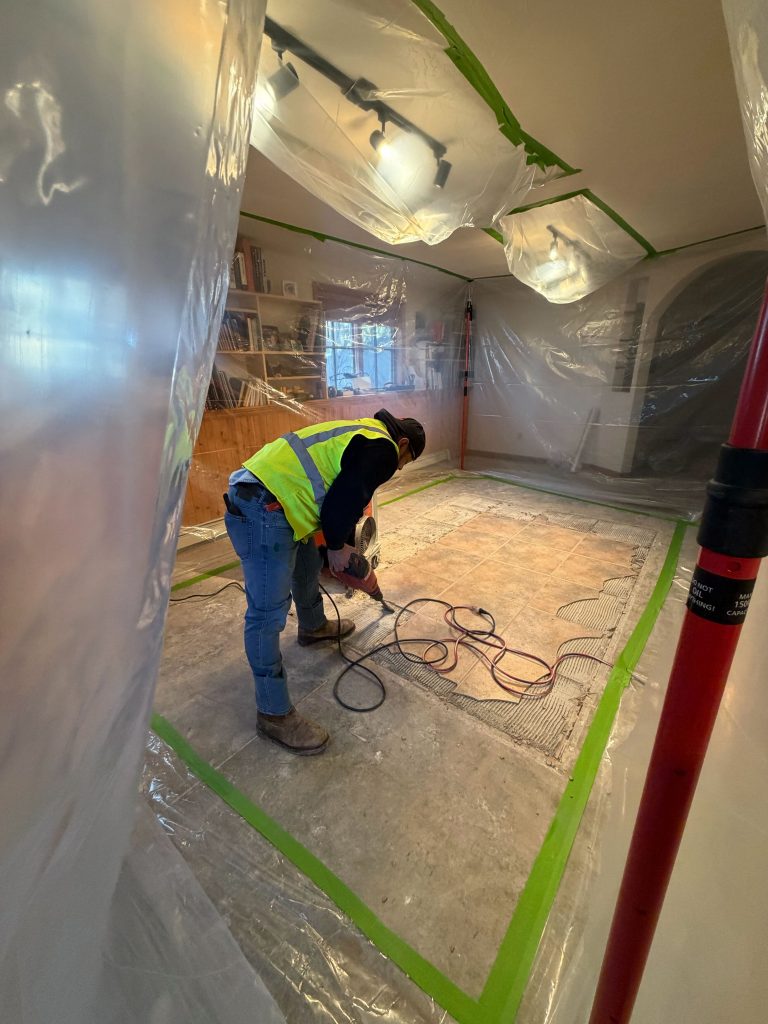
Flooring and Tile Removal
Flooring removal can range from relatively straightforward carpet removal to labor-intensive removal of tile, hardwood, adhesive, mortar, and underlayment.
How the flooring was installed matters just as much as the type of flooring. Removing a floating floor and removing tile set into a substantial mortar bed are two very different demolition projects.
Interior Wall Removal
Wall removal is common when homeowners want to create larger kitchens, open living spaces, or reconfigure an existing floor plan.
But wall demolition needs to be approached carefully. Before removing a wall, you need to know whether it’s structural and what electrical wiring, plumbing, HVAC components, or other building systems may be running through it.
This is exactly where selective demolition earns its name.
Concrete Demolition
Some renovations also require concrete cutting or removal. That might include portions of a slab, foundation components, stairs, patios, or concrete that need to be removed to accommodate new plumbing or construction.
Concrete demolition requires the right equipment and generates extremely heavy debris, which can significantly affect a project’s scope and cost.
Local Demo provides concrete cutting, coring, and demolition services for projects where ordinary hand demolition isn’t enough.
What Is Selective Demolition?
Selective demolition is one of the most important concepts for homeowners planning a renovation.
Instead of indiscriminately tearing everything out, selective demolition focuses on carefully removing specific materials, finishes, or components while preserving the surrounding structure.
Imagine you’re remodeling a kitchen but keeping the adjacent hardwood floors, staircase, windows, and living room. The goal isn’t simply to make the kitchen disappear.
It’s to remove the kitchen without creating a second renovation project somewhere else in the house. That requires planning, containment, surface protection, careful material removal, and an understanding of how the home is put together.
Selective demolition is particularly valuable for:
- Kitchen renovations
- Bathroom remodels
- Basement renovations
- Partial home renovations
- Historic homes
- Floor-plan changes
- Occupied homes
- Projects where existing finishes will remain
For many renovation projects, precision matters more than brute force.
What Happens When Demolition Uncovers Something Unexpected?
This is where renovations can get interesting. Once walls, flooring, ceilings, cabinets, and other finishes are removed, you’re finally able to see portions of the house that may have been hidden for decades.
Sometimes everything looks exactly as expected. Most of the time, not.
Demolition can uncover:
- Water damage
- Mold
- Rot
- Damaged framing
- Unexpected plumbing
- Outdated electrical work
- Previous repairs
- Multiple layers of flooring
- Unusual framing
- Asbestos-containing materials
- Lead-based paint
Older homes can be especially unpredictable because they may have been remodeled several times by several different owners.
One renovation can literally uncover another renovation underneath it. If potentially hazardous materials are discovered, the answer isn’t to keep swinging the sledgehammer.
The material may need to be evaluated and handled appropriately before demolition continues.
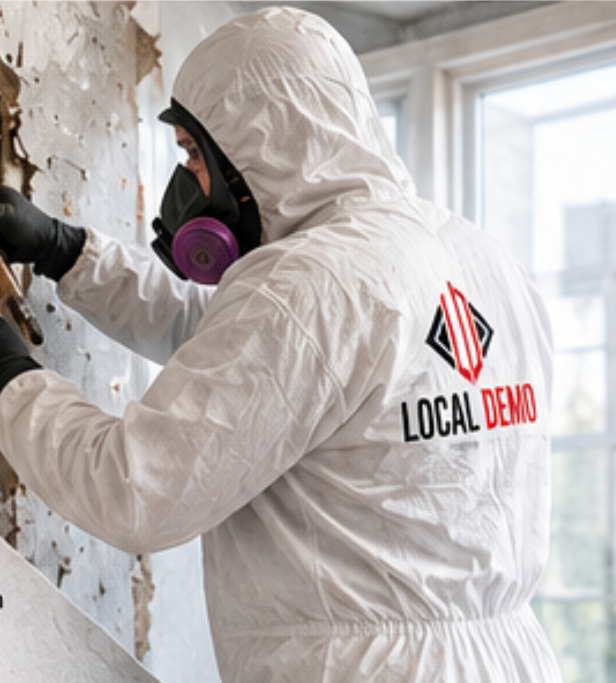
Local Demo’s capabilities extend beyond basic tear-out work to include containment, mold remediation, and asbestos and lead-paint abatement, helping address conditions that can complicate renovation and demolition.
Can You Save Money by Doing the Demolition Yourself?
Sometimes. There are certainly simple demolition tasks that capable homeowners can handle themselves. But DIY demolition isn’t automatically free demolition.
Before deciding to tackle a larger project yourself, consider the full cost of:
- Tool rentals
- Protective equipment
- Dumpster or trailer rental
- Disposal fees
- Transportation
- Labor and time
- Dust containment
- Floor and surface protection
Then consider what happens if something goes wrong.
A damaged hardwood floor, a broken pipe, a cut electrical line, a damaged cabinet that was supposed to remain, or uncontrolled dust throughout the house can erase the savings fairly quickly.
There are also safety concerns. Demolition means sharp materials, heavy debris, nails, dust, overhead hazards, power tools, and potentially hazardous building materials.
For a small, straightforward project, DIY demolition may make sense.
For larger renovation demolition, selective demolition, structural work, concrete removal, or projects involving unknown materials, hiring professionals can be a very different calculation.
Should Your Remodeling Contractor Handle the Demolition?
Some remodeling contractors perform their own demolition. Others prefer to bring in a demolition contractor and begin their portion of the project once the space has been properly prepared.
Neither approach is automatically right or wrong. The question is who is best equipped for the demolition your project requires.
A specialized demolition contractor brings equipment, crews, containment practices, debris-management capabilities, and experience focused specifically on taking things apart safely and efficiently.
Local Demo can work directly with homeowners or coordinate with general contractors and other construction professionals.
When the remodeling crew is ready to build, the space should be ready for them.
The Cheapest Demolition Quote Isn’t Always the Cheapest Demolition
It’s understandable to look for ways to control costs during a renovation. There are plenty of expenses coming after demolition. But demolition is one area where simply choosing the lowest number can create costs somewhere else.
Careful demolition can help:
- Prevent damage to finishes you’re keeping
- Identify hidden problems earlier
- Keep dust and debris contained
- Reduce cleanup requirements
- Give contractors better access to the work area
- Keep the renovation moving
- Prepare the space properly for the next trade
Think of demolition as part of the renovation, not a separate expense that happens before the “real” work begins. Good demolition makes the next phase easier.
What Should Be Included in a Residential Demolition Estimate?
When comparing demolition contractors, don’t compare numbers without comparing scopes. Ask exactly what you’re getting.
Important questions include:
- What materials are being removed?
- What portions of the home are being preserved?
- Is surface protection included?
- Is dust containment included?
- Is debris hauling included?
- Are disposal costs included?
- Who handles unexpected materials?
- Is concrete cutting or removal required?
- What equipment will be used?
- What condition will the space be left in when demolition is complete?
A detailed scope makes it much easier to understand what you’re actually paying for.
When Should You Contact a Demolition Contractor?
Earlier than many homeowners think. You don’t necessarily need to wait until the day before your remodeling contractor wants to begin.
Bringing a demolition contractor into the planning process early can help identify potential issues involving:
- Access
- Debris removal
- Containment
- Structural components
- Concrete
- Hazardous materials
- Project sequencing
- Scheduling
It can also give you a much clearer idea of what demolition will actually cost before you’ve committed the entire renovation budget elsewhere.
Residential Renovation Demolition in Bozeman and Southwest Montana
Local Demo provides residential and selective demolition services throughout Southwest Montana, including Gallatin, Park, Madison, Jefferson, Broadwater, and Meagher counties.
Our residential demolition capabilities include kitchen and bathroom demolition, basement gut-outs, flooring and wall removal, concrete demolition, and other selective interior demolition work.
But our role doesn’t have to stop at tearing something out.
Depending on the project, Local Demo can also provide:
- Selective demolition
- concrete cutting and coring
- Surface protection
- Containment
- Debris removal
- Mold remediation
- Asbestos abatement
- Lead-paint abatement
- Post-construction white-glove cleaning
That combination can be especially valuable when you’re renovating an older home or beginning a project where you aren’t entirely sure what you’ll find once demolition starts.
Planning a Renovation? Start With a Demolition Estimate
You probably have a pretty good picture of what you want your renovated home to look like. The first question is what it will take to get there.
Before the new cabinets, flooring, tile, walls, or finishes can be installed, the existing materials must be removed safely and efficiently, with as little disruption to the rest of the property as possible. That’s where Local Demo comes in.
We’ll evaluate the space, understand what you’re planning to renovate, determine what needs to be removed, and help identify demolition challenges before they become construction delays.
Planning a kitchen, bathroom, basement, or whole-home renovation in Southwest Montana? Contact Local Demo to request a residential demolition estimate and get your property ready for what’s next.
Frequently Asked Questions About Residential Renovation Demolition
How much does interior demolition cost in Montana?
The cost of interior demolition varies depending on the size of the space, the materials to be removed, accessibility, labor requirements, debris volume, disposal costs, and whether specialized work, such as concrete removal or hazardous material abatement, is required. Because a tile bathroom and a similarly sized drywall room can require very different amounts of work, an on-site estimate is the best way to determine the actual cost of your project.
How much does it cost to demolish a kitchen before remodeling?
Kitchen demolition costs depend on what you’re removing. A basic cabinet and countertop tear-out will typically cost less than a complete kitchen gut, which includes flooring, tile, drywall, soffits, walls, and other materials. Changes to the existing layout can also increase the scope of demolition. A local demo can evaluate your kitchen and provide an estimate based on exactly what needs to come out before remodeling begins.
How much does bathroom demolition cost?
Bathroom demolition can be more labor-intensive than its small square footage suggests. Tile, mortar, backer board, tubs, showers, flooring, vanities, and fixtures can generate significant amounts of heavy debris. Older bathrooms may also contain multiple layers of previous flooring or wall materials that aren’t visible until demolition begins.
What is selective demolition?
Selective demolition is the careful removal of specific portions of a structure while preserving surrounding areas. During a residential renovation, this might mean removing a kitchen, bathroom, wall, flooring, or other materials without damaging adjacent rooms, floors, windows, or finishes that are staying. It is especially useful for partial renovations and occupied homes.
Can I do the demolition myself before a home renovation?
Some homeowners can handle small, straightforward tear-out projects themselves. However, larger demolition projects can involve heavy debris, power tools, plumbing, electrical systems, structural components, dust, and potentially hazardous building materials. Homeowners should also account for equipment rental, surface protection, dumpsters, hauling, disposal fees, and their own time when comparing DIY demolition with professional service.
Should I hire a demolition contractor or let my remodeling contractor handle demolition?
It depends on the project and your remodeling contractor. Some general contractors perform their own demolition, while others prefer to work with a specialized demolition company. A demolition contractor can be particularly valuable for projects requiring selective removal, extensive containment and surface protection, concrete cutting, heavy debris removal, or specialized abatement.
Does a demolition contractor remove all the debris?
Debris removal depends on the contractor and the scope of the estimate. When comparing quotes, ask whether loading, hauling, and disposal are included. Local Demo provides debris removal as part of its demolition capabilities, helping prepare the space for the next phase of construction.
What happens if asbestos or lead paint is found during demolition?
If materials suspected of containing asbestos or lead are discovered, demolition may need to stop in the affected area until the materials can be properly evaluated and handled. This is particularly important in older homes. Local Demo provides asbestos and lead-paint abatement services, as well as selective demolition, allowing these issues to be addressed appropriately when they affect a renovation project.
How do you keep demolition dust from spreading through the house?
Professional residential demolition can include containment measures and surface protection designed to isolate the work area and protect parts of the home not being renovated. This is especially important when removing materials such as drywall, plaster, tile, mortar, and concrete, which can generate significant amounts of dust.
When should I contact a demolition contractor for my renovation?
It’s often beneficial to contact a demolition contractor during the planning stage rather than waiting until construction is about to begin. An early evaluation can identify access challenges, disposal requirements, containment needs, concrete work, potentially hazardous materials, and other conditions that could affect your renovation schedule or budget.
Does Local Demo provide residential demolition outside of Bozeman?
Yes. Local Demo serves residential demolition projects throughout Southwest Montana, including Gallatin, Park, Madison, Jefferson, Broadwater, and Meagher counties. Services include selective interior demolition, kitchen and bathroom demolition, basement demolition, flooring and wall removal, concrete demolition, containment, debris removal, and related specialty services.