
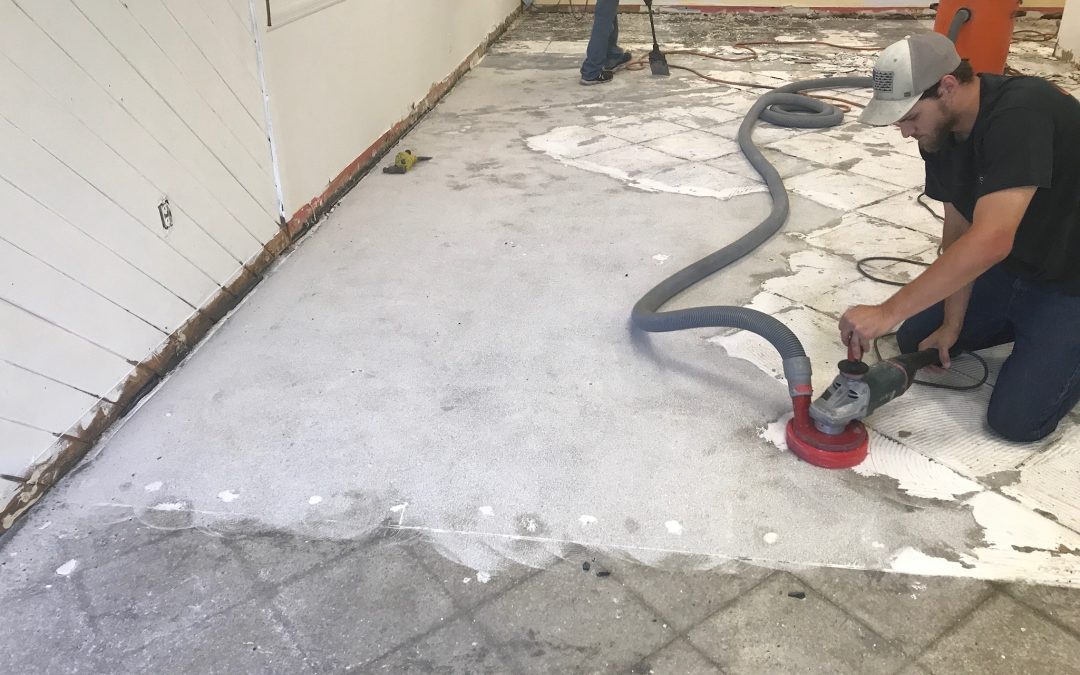
Selective Flooring Removal for Homes and Commercial Renovation Projects in Bozeman and Southwest Montana
You pick out your new flooring, and your installer gives you a date. Then you learn the old tile, adhesive, and underlayment have to come out first. If your removal quote covers only the visible flooring, your installer can arrive to find a layer of mortar, glue, or backer board still in place, and the install day turns into a delay.
Hiring a floor removal contractor in Bozeman or Southwest Montana works best when you write down the removal scope before demolition starts: which rooms, which layers, where the work stops, and what condition the surface must be in when your installer takes over.
Local Demo provides selective flooring removal for homes and commercial renovation projects in Bozeman and Southwest Montana. If you already know which rooms need clearing, send us photos, approximate square footage, and your installation date.
Request a floor removal quote or call (406) 595-0227.
This guide covers what to ask, what a good quote includes, what affects the price, and what to do if the old flooring may contain asbestos.
What Type Of Flooring Needs To Come Out?
The way flooring was installed often matters as much as the material. A floating floor and glued-down planks can look identical from the doorway and need very different removal scopes. Use this table to see what your quote should spell out for each type.
| Existing flooring | What to cover in the removal quote | Common surprises |
| Ceramic or porcelain tile | Whether the scope includes tile, thinset. or mortar, and any backer board; state the stopping point, such as down to plywood or down to slab. | Mortar bed thicker than expected; tile set over an older layer. |
| Glue-down vinyl or commercial carpet | How much adhesive must be removed for the replacement flooring your installer specified. | Residual adhesive that blocks new flooring from bonding. |
| Hardwood or engineered wood | Whether it is nailed, stapled, glued, or floating, identify adjoining flooring, trim, and transitions to preserve. | Glued-down wood that tears up the subfloor surface. |
| Carpet and pad | Whether the quote includes pad, tack strips, staples, and haul-off. Flag stairs and landings. | Stairs priced separately; staples left in the subfloor. |
| Laminate or floating vinyl plank | Which underlayment and transition strips come out, especially at doorways where flooring stays. | Underlayment or vapor barrier left behind. |
| Sheet vinyl or older resilient tile | Whether the material has been tested before removal; see the asbestos section below. | Suspect layers under newer flooring. |
If you are unsure what is under the floor, share what you know and ask how the estimate handles additional layers discovered during removal. A good contractor will explain how they document and price before work continues, not after.
How A Floor Removal Project Works
Knowing the sequence helps you schedule removal and installation without gaps.
- Send project details. Share photos, approximate square footage, the rooms involved, and your installation date.
- Confirm the scope. Settle which layers come out, where removal stops, and what must be protected. A walkthrough is worth it when layers, access, or substrate condition are unclear.
- Get your installer’s prep requirements. Ask the installer for the required surface condition in writing, then share it with the removal contractor.
- Receive a written quote. It should state boundaries, materials, protection, haul-off, and who handles anything beyond removal.
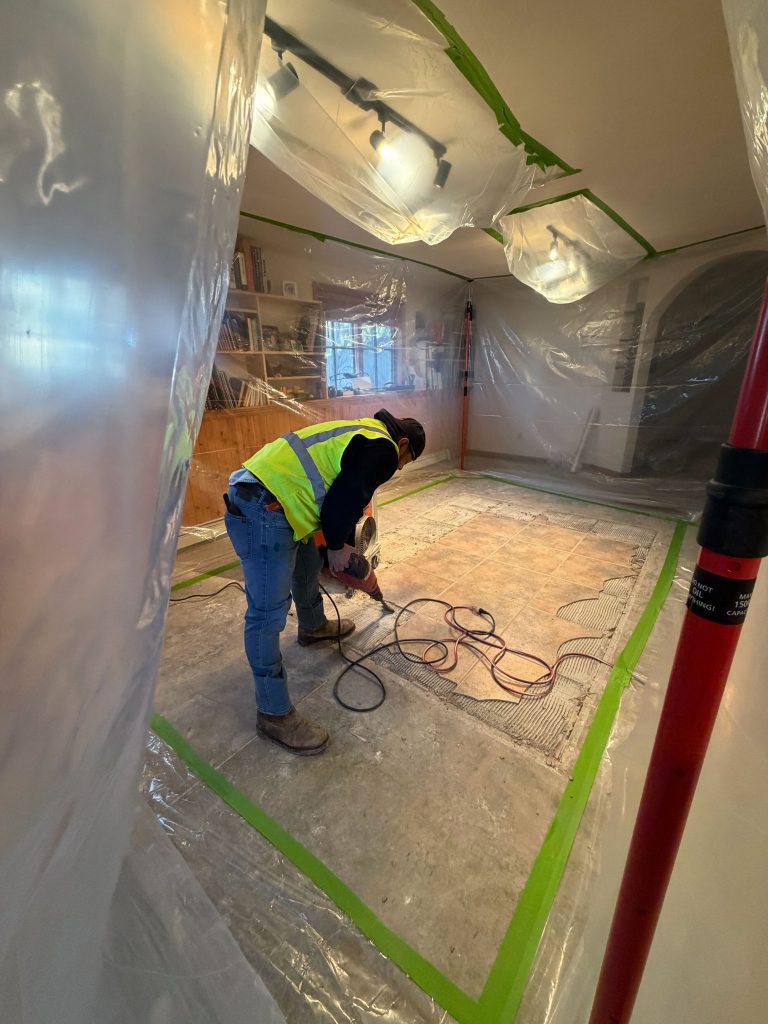
- Protect the work area. The crew covers or masks what stays, sets up the debris route, and addresses dust containment and work-hour limits.
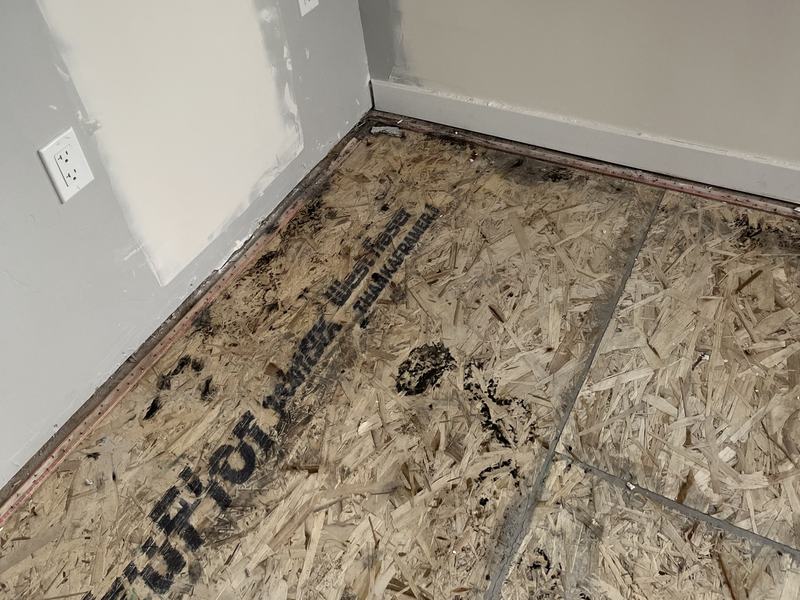
- Remove flooring and underlayers. Work proceeds to the agreed stopping point, such as bare plywood or slab.
- Haul off and clean up. Load and dispose of debris, then leave the area ready for the next trade.
- Hand off to the installer. Both crews work from the same written definition of when the floor is ready.
What Should A Floor Removal Quote Include?
Start with the rooms and the stopping point. For example, your installer might need to remove tile, mortar, and backer board down to the plywood in a bathroom. In a commercial suite with a concrete slab, they may specify a particular level of adhesive removal before they take over.
Ask for these details in writing:
- Removal boundaries. Where the work starts and stops, including closets, stairs, doorways, and flooring under fixtures or cabinets.
- Materials and layers. Which flooring, underlayment, fasteners, mortar, or adhesive the crew will remove.
- Protection and access. Which cabinetry, trim, and adjacent flooring will stay, plus dust containment, the debris route, elevator or stair use, and work-hour limits.
- Haul-off and cleanup. Whether loading, disposal, and work-area clean-up are included.
- Unknown layers. How additional layers found during removal are documented, priced, and approved before work continues.
- Installer handoff. Who handles any additional grinding, leveling, patching, moisture testing, or subfloor repair before installation.
- Schedule. Start date, expected duration, and how removal lines up with your installer’s date.
Share the installer’s prep requirements with Local Demo before approving the scope. A written handoff gives both crews the same definition of when the floor is ready for the next phase, and it keeps gaps between trades from becoming disputes.
How Much Does Floor Removal Cost In Bozeman?
Square footage is a starting point, not the full price. Contractors price removal by effort, so two jobs with the same square footage can quote very differently.
| Factor | Why it moves the price |
| Bond strength | Thinset, mastic, and glue-down adhesive take more labor than floating or nailed flooring. |
| Number of layers | Each additional layer of flooring, underlayment, or backer board adds time and disposal. |
| Stopping point | Removing to bare plywood costs less than removing and cleaning up adhesive or mortar to a specified finish. |
| Room size and layout | A small tile bathroom with mortar and backer board can cost more per square foot than a large room with floating planks. |
| Access and debris route | Stairs, no elevator, long carry distances, and tight loading access add labor. |
| Work-hour limits | Noise restrictions, occupied spaces, and phased work reduce crew efficiency. |
| Disposal volume | Heavy materials such as tile and mortar cost more to haul and dump than carpet or vinyl. |
For a Bozeman commercial build-out or an occupied rental in Belgrade, tell us about loading access, stairs or elevator use, and any limits on noisy work. If the work has to happen in phases, include which rooms or tenant spaces must stay accessible.
A lower quote is not automatically a better one. Compare scopes before comparing prices: a quote that excludes adhesive removal, haul-off, or stairs may leave you paying for those later. Read Local Demo’s guide to interior demolition costs for a broader look at how selective demolition is priced.
Floor Removal In Bozeman And Southwest Montana: What Changes Locally
Floor removal here often involves conditions you would not plan for in a new subdivision. Mention any that apply when you request a quote:
- Older homes and rentals. Homes in older Bozeman neighborhoods may have several layers of flooring added over the decades. Layers you cannot see are the most common reason a removal scope changes.
- Basement and slab floors. Glued-down flooring over concrete often leaves adhesive that the installer will want addressed. Moisture testing and grinding are usually separate decisions from removal, so ask who handles them.
- Radiant heat and in-floor systems. If heat tubing or wiring sits in or under the floor, tell the contractor before work starts so the scope can protect it.
- Occupied properties. For rentals in Belgrade or tenant spaces in a Bozeman commercial building, dust control, noise limits, and phased access matter as much as the removal itself.
- Winter scheduling. Cold weather affects debris loading and door-open work. Build extra time into the schedule between removal and installation during the colder months.
- Remodels with other trades. When plumbers, electricians, or cabinet installers share the space, a clear removal boundary prevents one crew from working around another.
What If The Old Flooring May Contain Asbestos?
If you suspect asbestos in old floor tile, sheet flooring, or adhesive, leave the material undisturbed and arrange a professional assessment before removal. Appearance alone cannot confirm whether a material contains asbestos.
The EPA says you cannot tell by looking and recommends sampling by a trained, accredited asbestos professional when suspect material is damaged, or a renovation would disturb it.
Vinyl floor tile, the backing on sheet vinyl, and the adhesives used to install them are among the materials the U.S. Consumer Product Safety Commission lists as sometimes containing asbestos.
What this means for your project:
- Test before removal, not after. Sample suspect layers before demolition. Do not sand, scrape, or break up suspect flooring to see what is underneath.
- Tell the contractor what you know. Share the age of the building, any prior testing or inspection reports, and layers you suspect. This lets the team discuss the appropriate next step before scheduling.
- Know that Montana has its own program. The Montana DEQ Asbestos Control Program oversees asbestos projects, permits, and accreditation for renovation and demolition work, and the City of Bozeman publishes guidance reminding owners to inspect, notify, and permit before demolition or renovation. Requirements depend on the property type and the material found, so confirm them with DEQ at 406-444-5300.
- Disposal matters. Asbestos waste can only go to landfills approved for it, so you can’t mix it into ordinary debris.
Read Local Demo’s guide to asbestos abatement services for more on how testing, abatement, and removal fit together.
What To Send For A Faster, More Accurate Quote
The more your contractor knows up front, the less likely the scope is to change on site. Send as much of this as you have:
- Project address and the rooms or areas involved
- Approximate square footage per room
- Photos of the flooring, the transitions to flooring that stays, and any stairs
- Existing flooring type and how it was installed, if known
- Your installer’s prep requirements, in writing
- Your installation date and any hard deadlines
- Age of the building and any prior asbestos testing
- Access details: loading area, stairs or elevator, parking, work-hour limits
- Whether the space is occupied and which areas must stay accessible
- Cabinets, fixtures, radiant heat, or trim that must be protected
Get A Flooring Removal Quote from Local Demo Today!
Replacing tile in a kitchen or clearing glued-down flooring for a commercial remodel? Tell Local Demo what needs to come out, what needs to stay, and when your installer is scheduled. Include your project address, photos of the flooring and transitions, and approximate square footage so we can discuss a written scope of work.
Local Demo serves Bozeman and projects across Southwest Montana.
Request a floor removal quote or call (406) 595-0227.
Frequently Asked Questions About Floor Removal
Can Local Demo remove flooring from just one room?
Yes. Selective demolition can focus on a kitchen, bathroom, basement, or a defined section of a commercial suite. Show us where the old flooring meets surfaces that will stay; we can include transitions in the scope.
Can I get a quote before my new flooring arrives?
Yes. Send photos, approximate square footage, and any removal instructions from your installer. If the number of layers, access, or substrate condition is unclear, we may need a walkthrough to confirm the scope.
Will the subfloor be ready for new flooring after removal?
That depends on the condition of the exposed surface and what your new floor requires. Ask your installer to identify the required stopping point and who will handle any leveling, repairs, or other prep. If removal exposes a condition that changes the scope, you can review it with both crews before installation.
Do I need to hire a separate contractor for removal, or will my flooring installer do it?
Many installers will remove old flooring, but some prefer to start from a prepared surface, and some jobs involve heavy tile, mortar, or adhesive that a demolition-focused crew handles better. Ask your installer whether removal is in their scope and what stopping point they require.
Do you remove flooring in occupied homes and active commercial spaces?
Yes, with planning. Tell us about dust control needs, noise limits, access hours, and which areas must stay usable so the work can be phased around you.
Who removes and disposes of the debris?
The quote should say. Confirm that loading, haul-off, and cleanup of the work area are included, and ask how they handle heavy materials like tile and mortar.
What happens if you find another layer under the flooring?
Ask how the estimate handles it before work begins. A good process documents the discovery, explains how it changes the scope, and gets your approval before continuing.
Can you remove flooring from stairs?
Stairs are a distinct part of the scope. Flag them in your request so they are included in the written quote rather than added later.
Can I remove the flooring myself to save money?
Some homeowners handle simple carpet removal. Tile, glued-down flooring, and anything that may contain asbestos are different. If the material is suspect, do not disturb it until it has been assessed.